flex circuit fabrication

All Categories
flex circuit fabrication

flex circuit fabrication

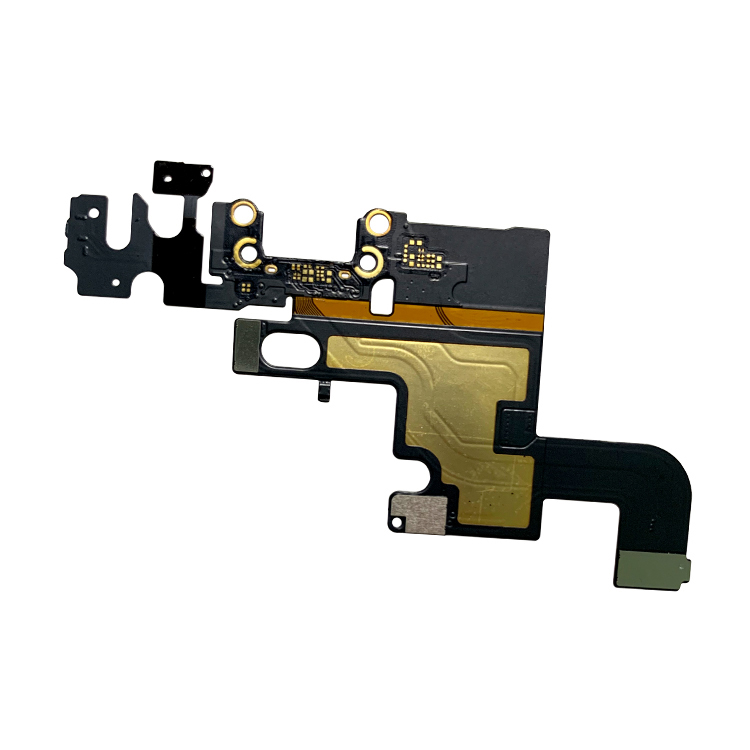
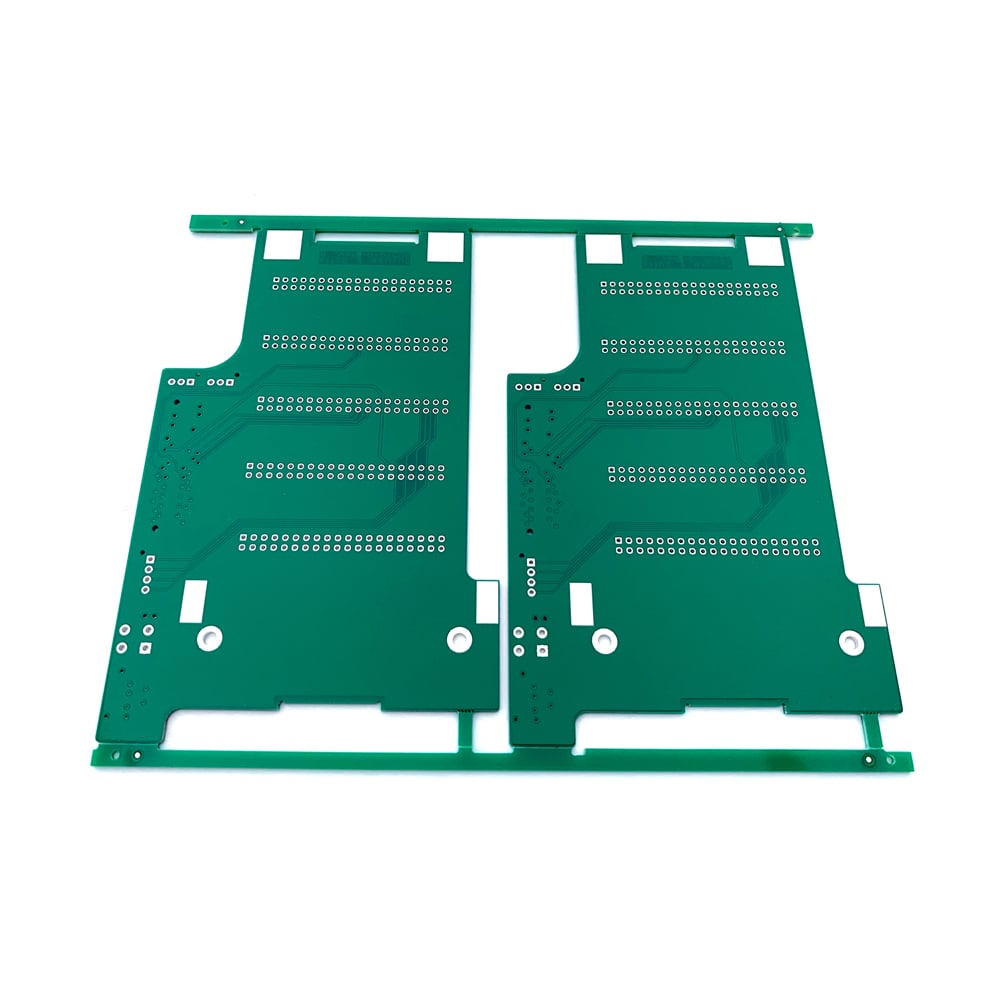
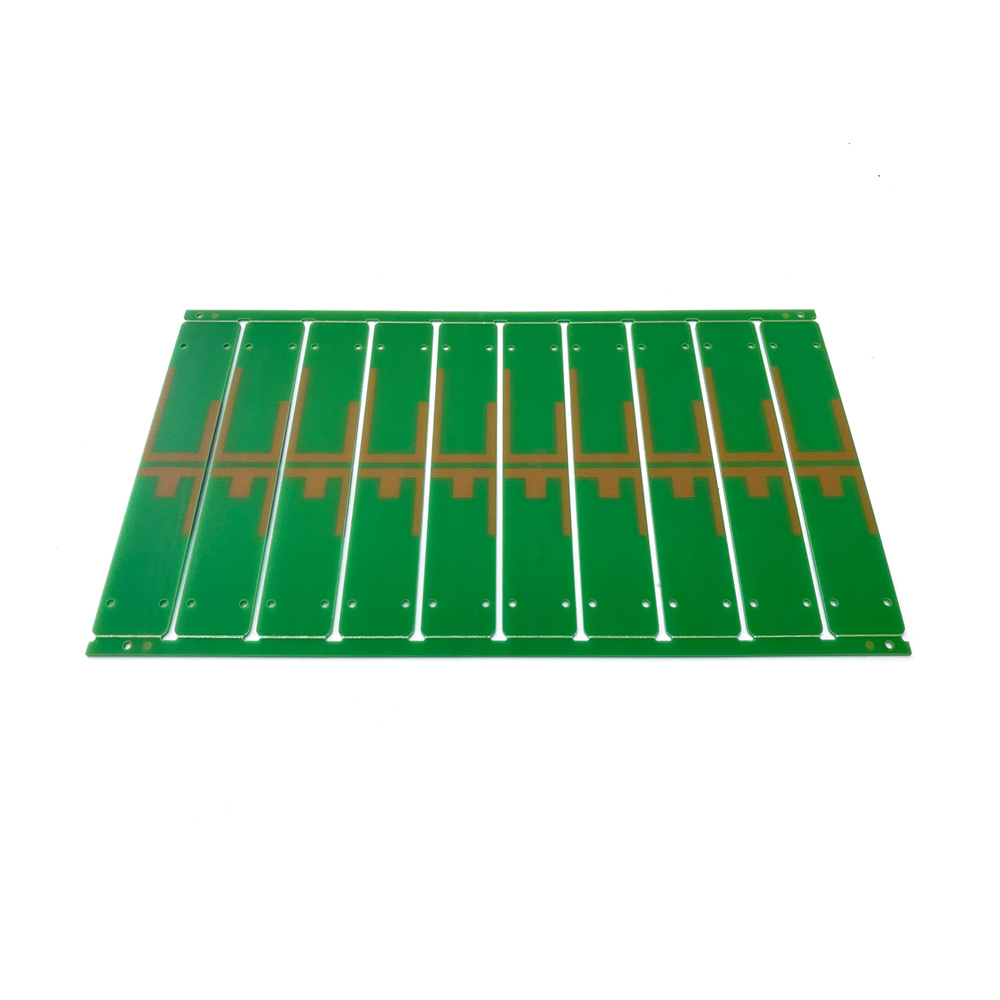
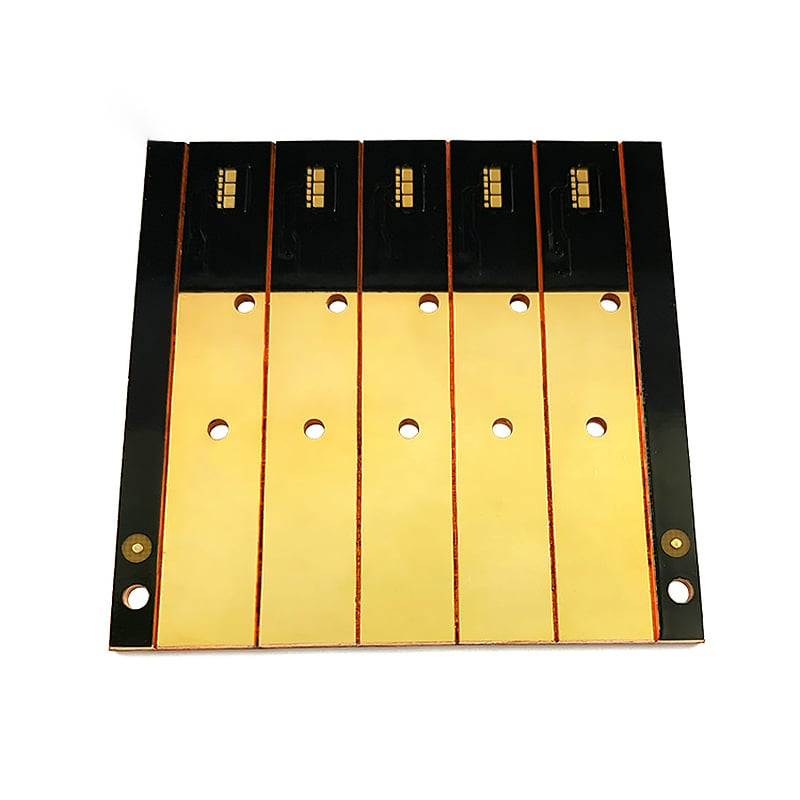
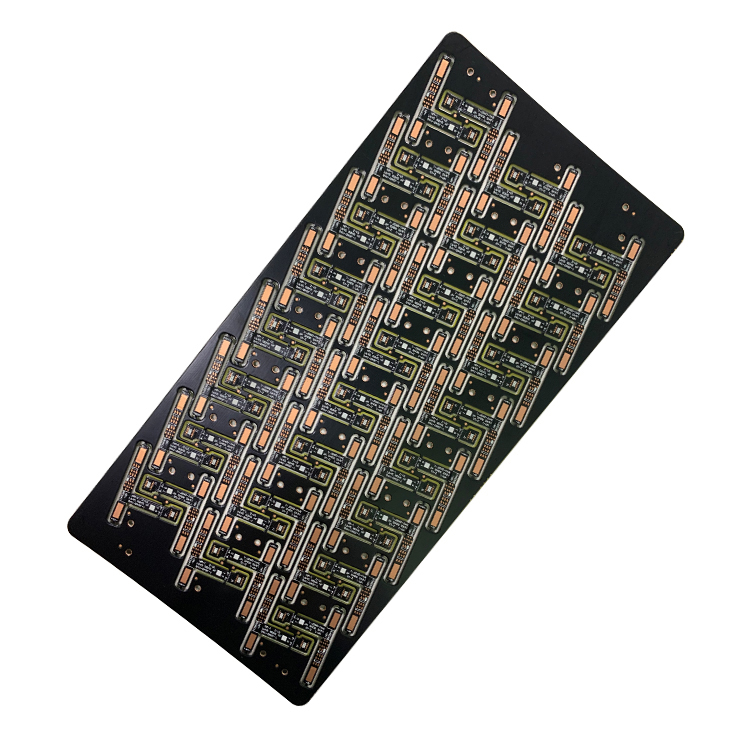
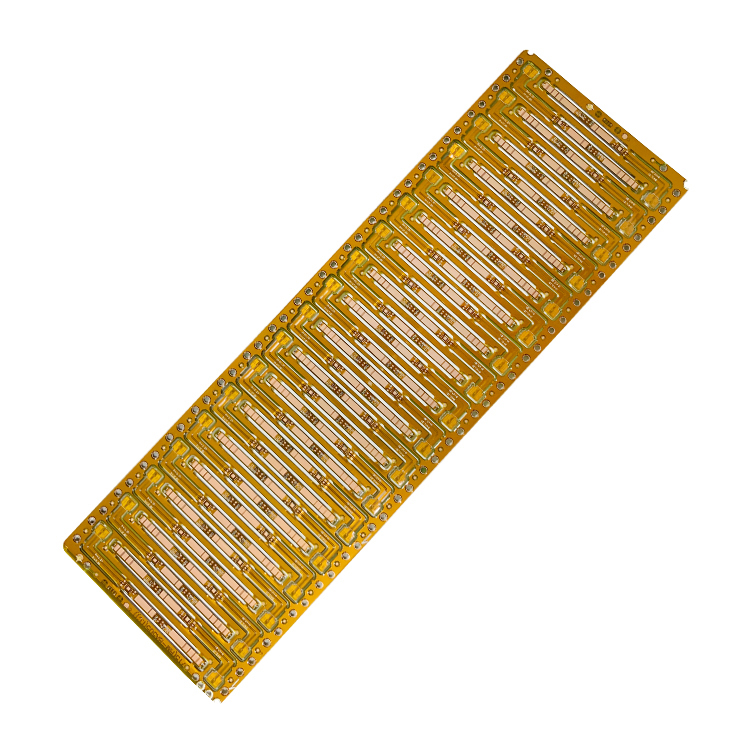
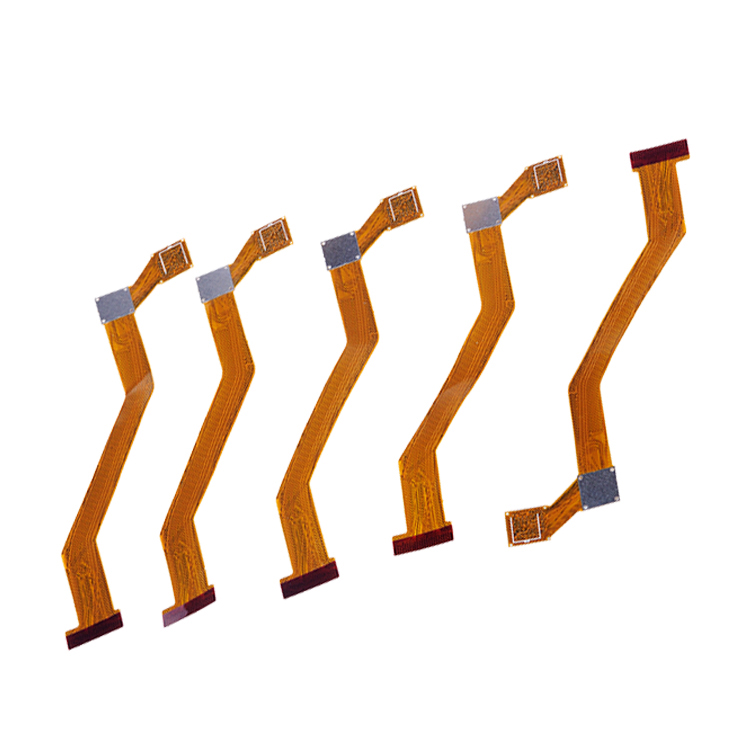
Flex circuit fabrication is mainly about producing light and flexible printed circuits made from polyimide substrates and advanced etching processes. For example, compared with rigid boards, flex circuits allow three-dimensional routing, have better resistance to vibration, and fewer interconnects. Our fabrication process involves material selection, precision imaging, controlled impedance, and strict electrical testing to ensure reliability for medical, automotive, consumer electronics, and industrial applications where space and durability are paramount.
Get A Quote

Product introduction

Product Advantage

Space-Saving Integrated Design for Compact Electronics

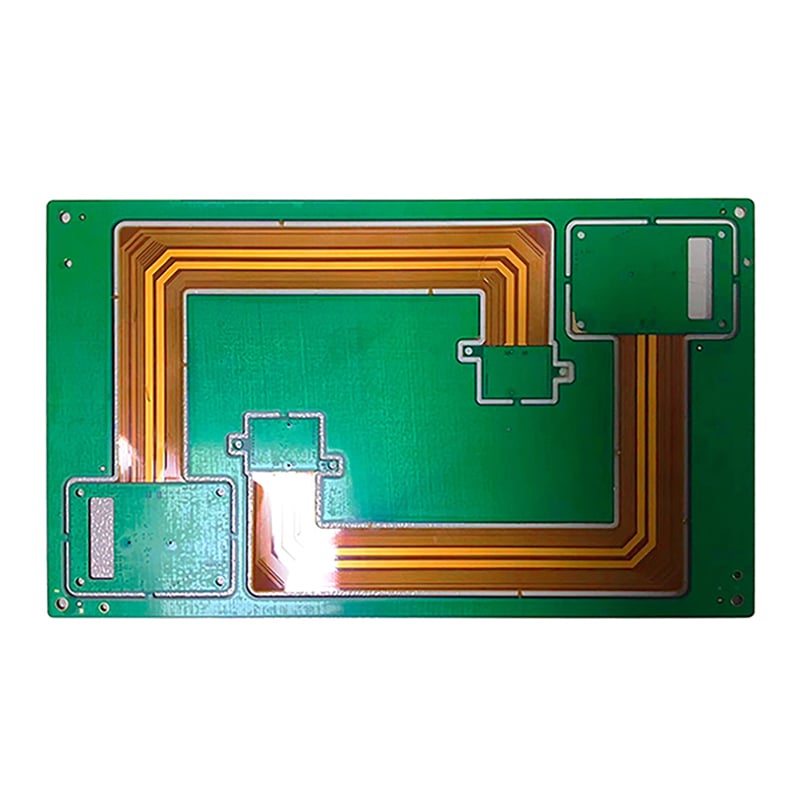
Rigid-flex PCB refers to the combination of rigid boards and flexible circuits into one single structure, thus greatly reducing the number of connectors and cables required. Such a space-saving layout enables engineers to design smaller and lighter electronic devices, hence a rigid-flex PCB is the perfect solution for highly size and weight-constrained applications such as medical device, wearable electronics, and aerospace systems.

Enhanced Reliability in Dynamic and Harsh Environments

By doing away with multiple interconnections, rigid-flex PCB greatly reduces typical points of failure that vibration, shock, and repeated motion can cause. The flexible parts are able to take up the mechanical stress while the rigid parts firmly hold the components, thus electrical performance remains stable even at harsh or dynamic operating environments.

Improved Electrical Performance and Signal Integrity

Rigid-flex PCB technology leads to shorter signal paths and fewer solder joints when compared to traditional multi-board assemblies. Such a layout is able to minimize signal loss, electromagnetic interference, and impedance problems, thus giving better signal integrity and steady electrical performance for high-speed and high-frequency electronic applications.

Simplified Assembly and Lower Total System Cost

It is true that the initial manufacturing cost of rigid-flex PCB can be higher, but it drastically simplifies assembly operations by lowering part count, manual wiring, and assembly steps. The decreased number of components combined with increased assembly efficiency result in lower overall system costs, quicker production cycles, and better product quality for large-scale ​‍​‌‍​‍‌​‍​‌‍​‍‌manufacturing.

Is​‍​‌‍​‍‌​‍​‌‍​‍‌ Rigid-Flex PCB Going to be at the Core of the Future Compact and Multi-Functional Electronics Design?

Introduction: The Evolution of Compact Electronics

The traditional PCB layouts face hard limits in physical size and functionality as consumer and industrial electronics move toward compact, multifunctional designs. Rigid-flex PCBs present a visionary solution by fitting advanced electronic integration in ultra-small space.

Leading companies, such as King Field, consider rigid-flex PCB technology as an important factor that the next generation product design will be powered by.

From Miniaturization to Integration

With rigid-flex PCBs different rigid boards can be connected into one single folded form. It cuts down on assembly steps, decreases failure rates, and enhances system reliability overall.

This kind of integration is a must for small-sized gadgets like wearable devices or portable medical instruments.

Enhancing Product Durability and Lifecycle

By their nature compact gadgets usually endure more mechanical stresses as they are closer to the user’s body and are frequently moved or handled. Flexible parts absorb stress while rigid zones provide stable component mounting.

King Field carry out bend-cycle testing and thermal stress tests extensively so that the rigid-flex PCB is able to deliver its performance throughout the product life cycle.

Simplifying Assembly and Supply Chains

Choosing a single rigid-flex PCB over several different boards does a great job at simplifying assembly.basing with the reduction in the number of components and inventory parts. Having fewer parts means cheaper wages and the product hits the market sooner.

Both companies and customers get the advantage of this efficient way,

Cost Considerations: Investment vs. Value

However, in spite of the fact that the rigid-flex PCB may have a higher production cost from the start, the overall system cost tends to be cheaper as a result of a trimmed-down assembly, fewer connectors, and better reliability.

King Field work together with the customers to weigh the total cost of ownership in order to guarantee that the use of rigid-flex PCBs will bring real long-term benefits.

Expanding Use Cases Across Industries

Rigid-flex PCBs have been quickly accepted by the industries such as:

  • Smart consumer electronics
  • Medical wearables
  • Industrial IoT devices
  • Automotive sensor systems

When multifunctional design is the standard, there will be no stopping the rise in the use of rigid-flex PCBs.

A Defining Technology for the Future

Rigid-flex PCB technology is not just a fashionable design—at its core, it is dramatically changing the way electronics are designed and manufactured. By partnering with a seasoned manufacturer like King Field, businesses have a great opportunity to bring to life their compact and multifunctional future-ready ​‍​‌‍​‍‌​‍​‌‍​‍‌electronics.

Blog

How Do You Select a Reliable SMT PCB Assembly Supplier?

27

Dec

How Do You Select a Reliable SMT PCB Assembly Supplier?

Choosing a trusted SMT PCB Assembly Supplier affects quality and delivery in every electronics manufacturing company. SMTA with Surface Mount Technology (SMT) is the essence of the most advanced electronic-products for small, fast, and larg...
View More
What Challenges Come with PCBA BGA Assembly in SMT PCB Production?

28

Dec

What Challenges Come with PCBA BGA Assembly in SMT PCB Production?

Application of PCBA BGA Assembly In Electronic Industry Processing The PCBA BGA assembly process is considered as one of the major processes to fulfill the dense and high performance circuit board in the production of SMT PCB. Due to the co...
View More
How Can Altium Designer PCB Design Improve Your Electronic Product Workflow?

30

Dec

How Can Altium Designer PCB Design Improve Your Electronic Product Workflow?

Today,​‍​‌‍​‍‌​‍​‌‍​‍‌ the electronics industry is changing at such a high pace that even your PCB design process efficiency can become a decisive factor for your product development time, cost, and level o...
View More
Why Is Heavy Copper Flex PCB the Best Choice for High-Current Applications?

31

Dec

Why Is Heavy Copper Flex PCB the Best Choice for High-Current Applications?

In​‍​‌‍​‍‌​‍​‌‍​‍‌ today's world of electronics, three major factors have been the most important focus points: flexibility, reliability, and high-current handling capabilities.As​‍​‌‍​‍&zw...
View More

Get a Free Quote

Our representative will contact you soon.
Email
Name
Company Name
Message
0/1000