quick turn flex circuits

All Categories
quick turn flex circuits

quick turn flex circuits

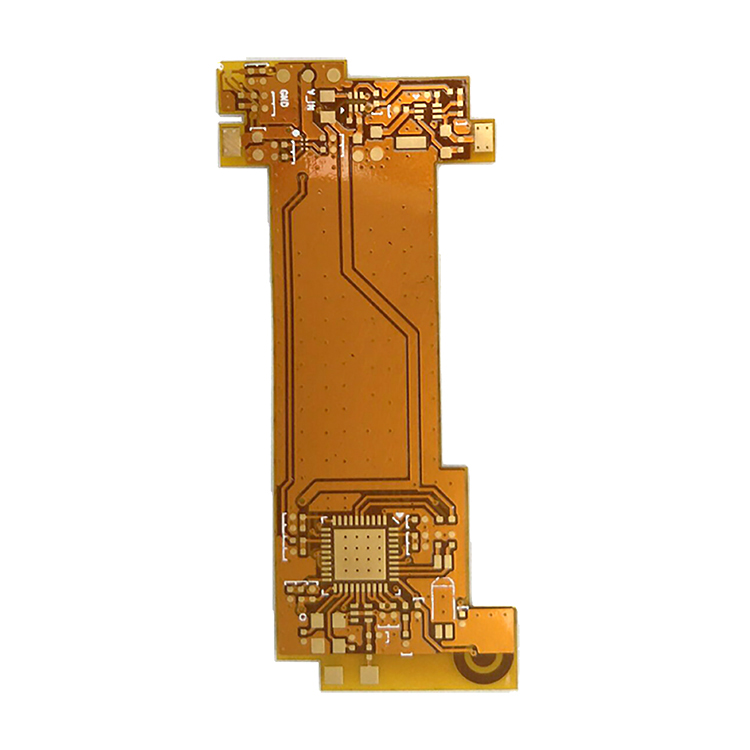
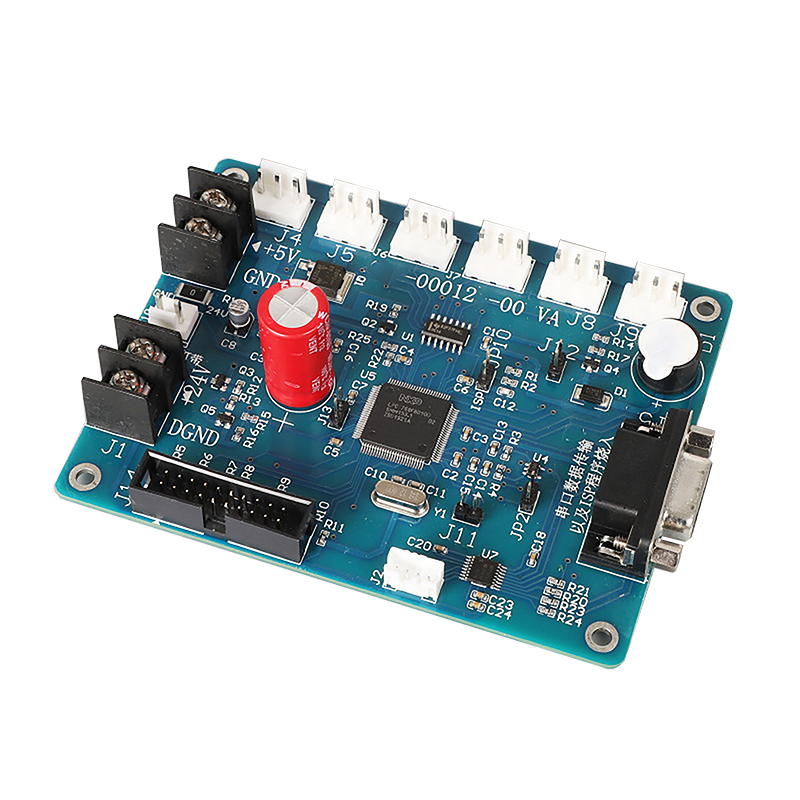
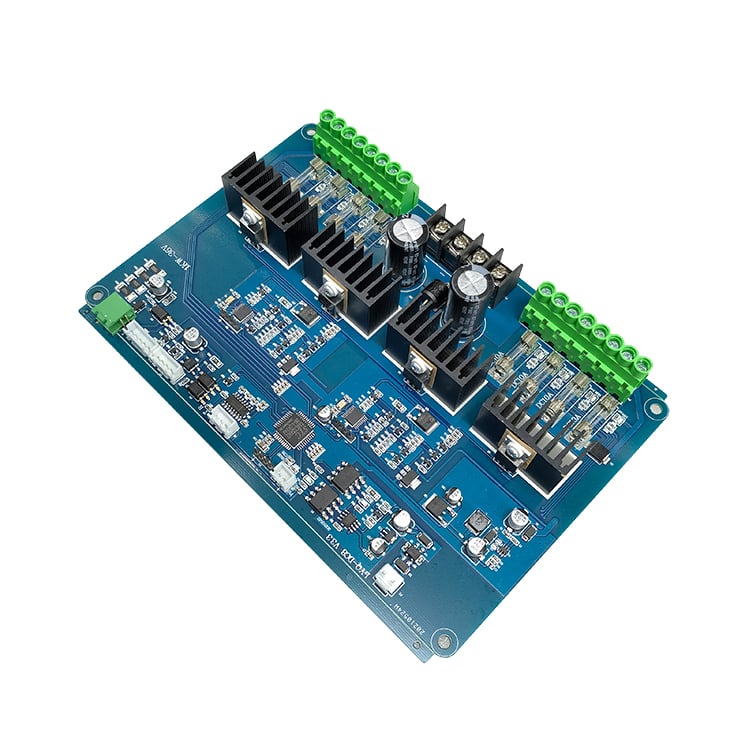
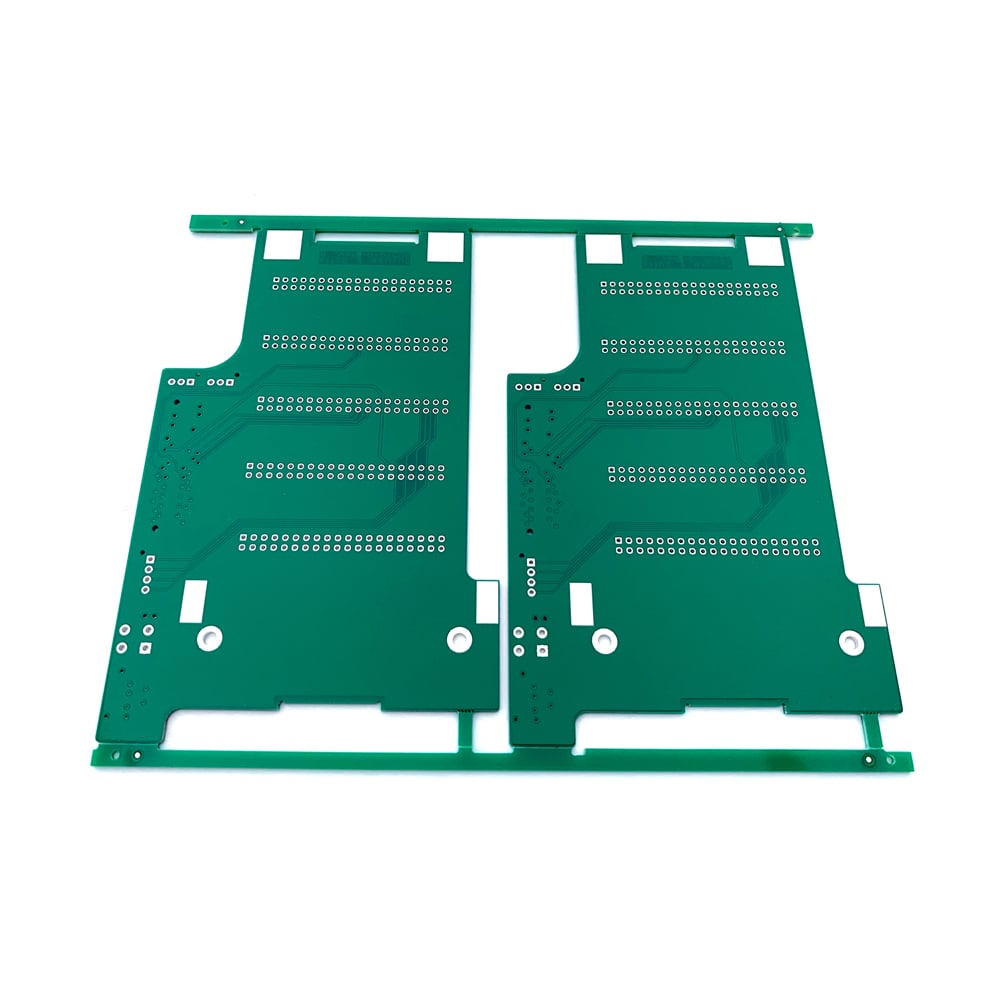
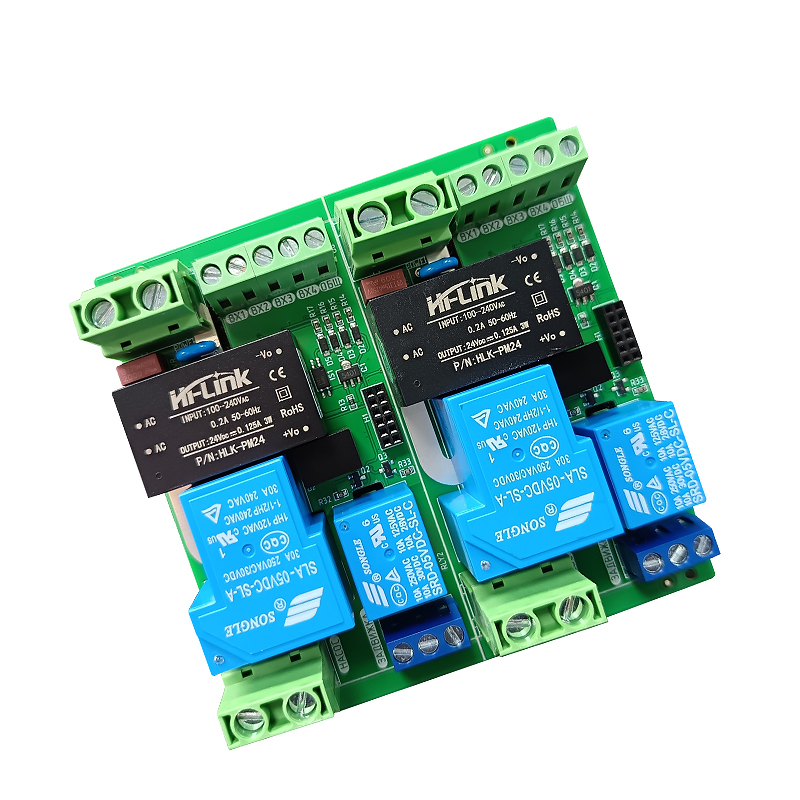
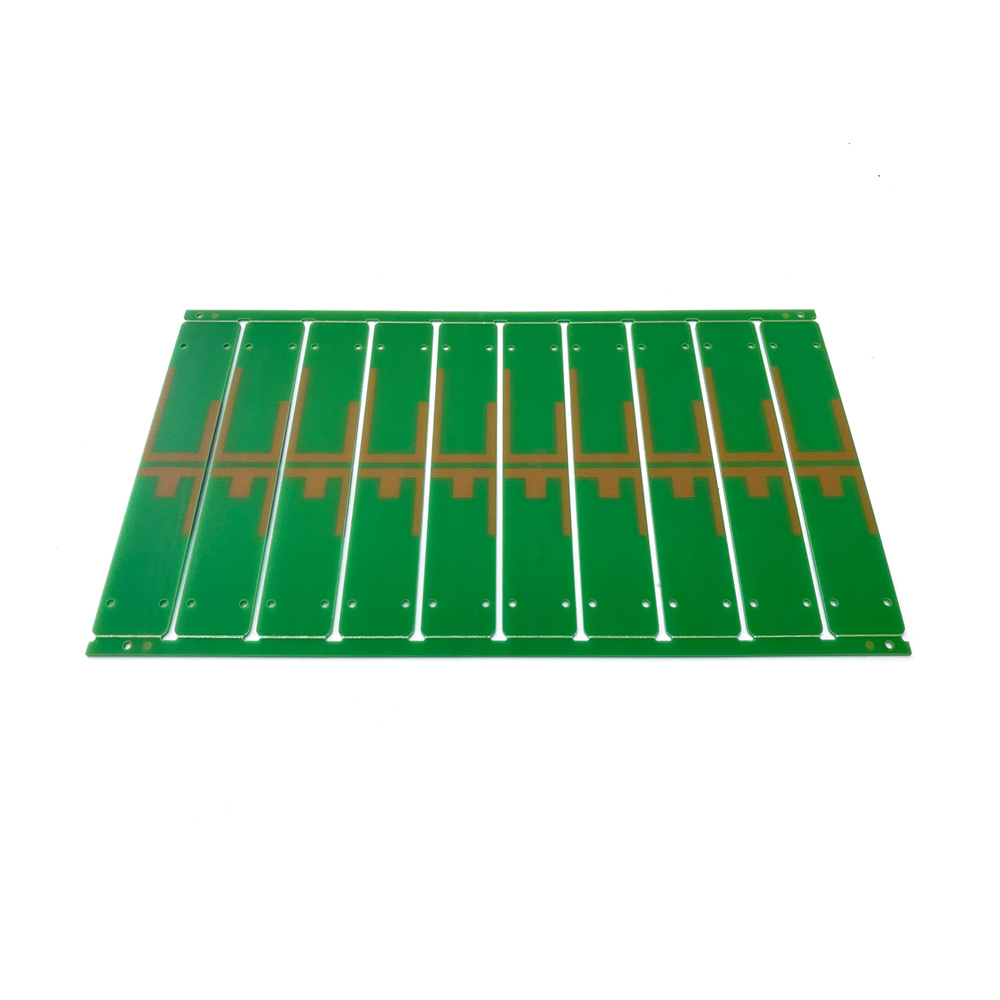
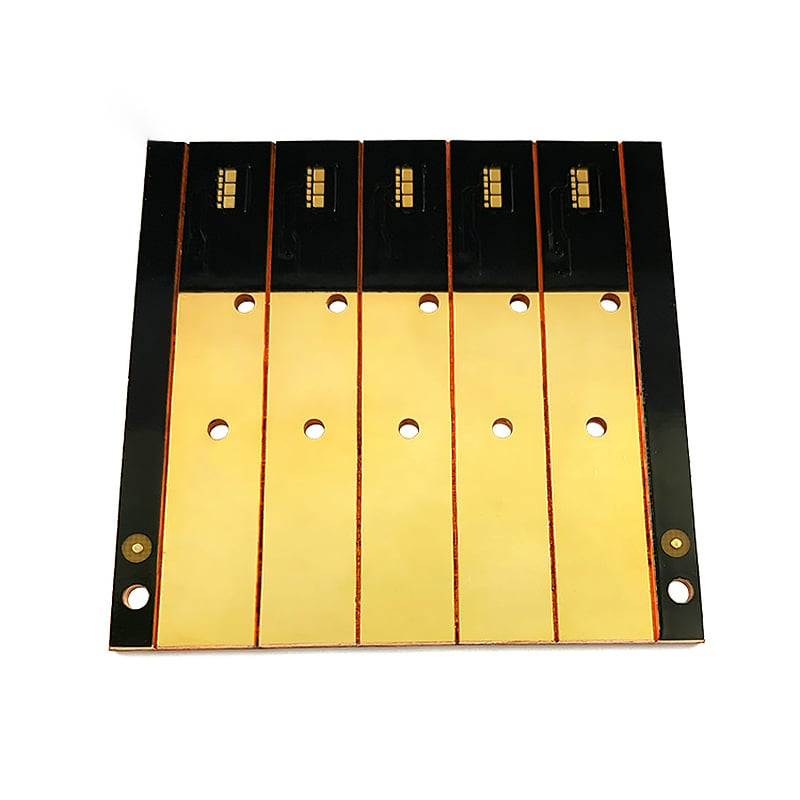
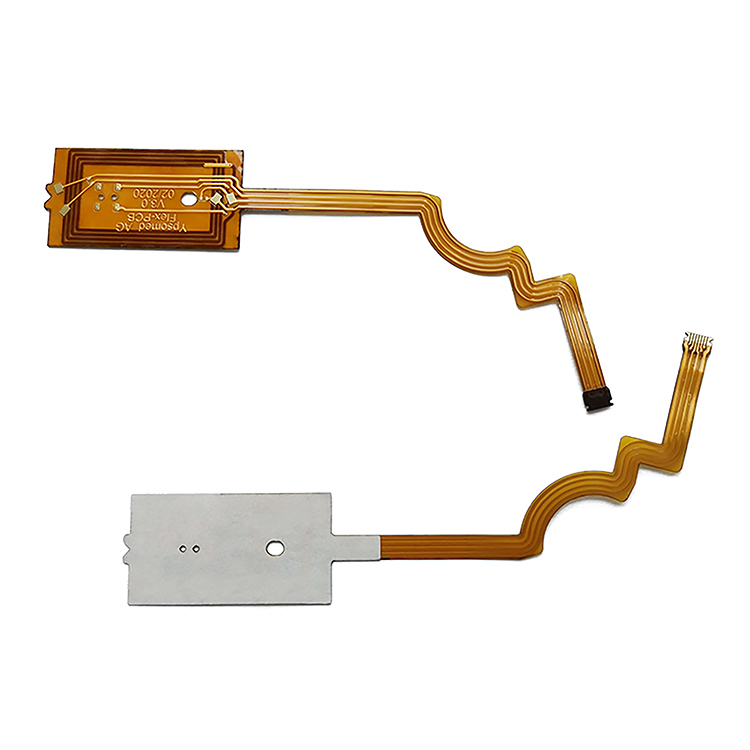
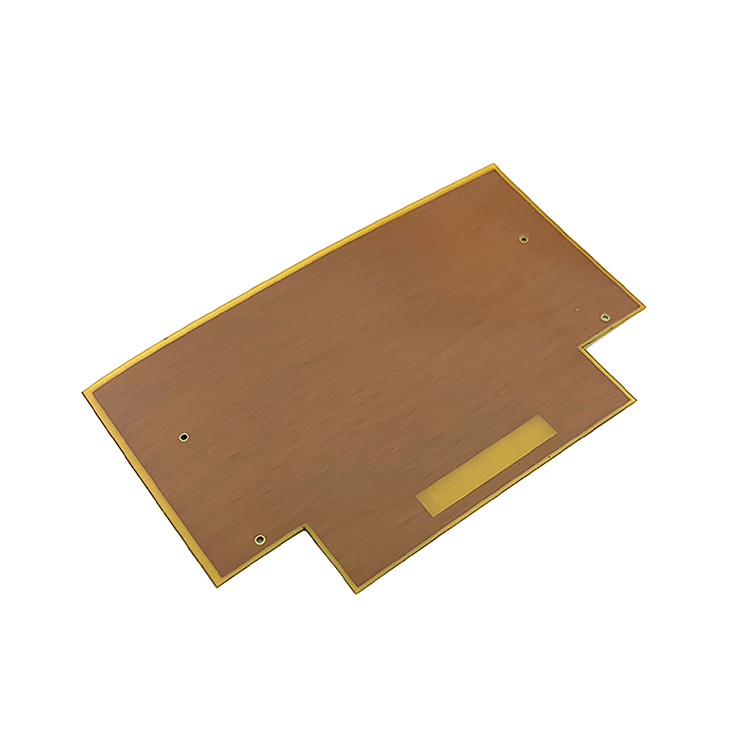
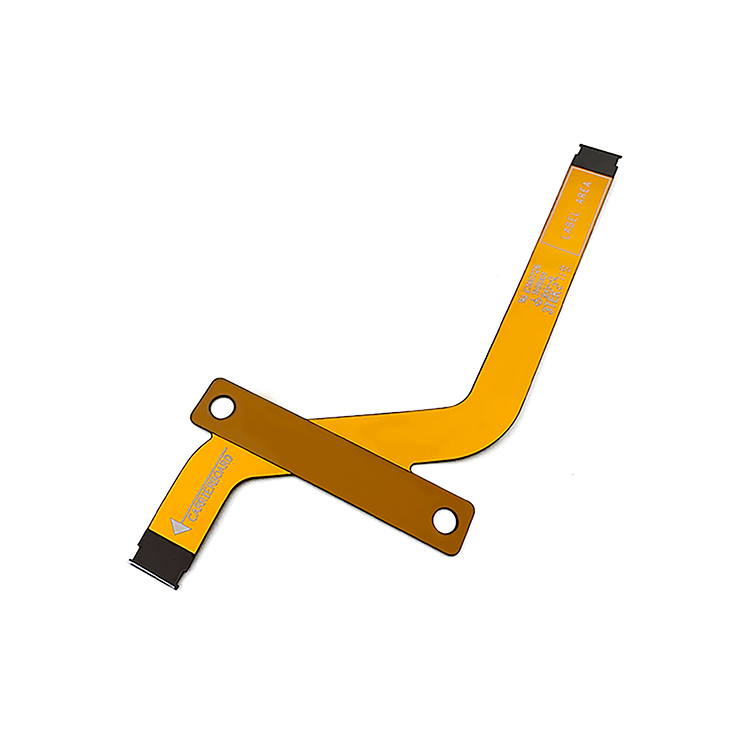
With quick turn flex circuits manufacturing, the customers will get their flex circuits done if not immediately, very quickly relative to when they might expect an order of a larger quantity. This kind of delivery by the quick turn flex circuits orders, is therefore very often part of the actions taken to shorten not only the testing phase of the product but the entire development cycle leading to the launch of a new product. The precision of these flex circuits and their adherence to tough electrical standards is not sacrificed although production is ​‍​‌‍​‍‌​‍​‌‍​‍‌quick.
Get A Quote

Product introduction

Product Advantage

Space-Saving Integrated Design for Compact Electronics

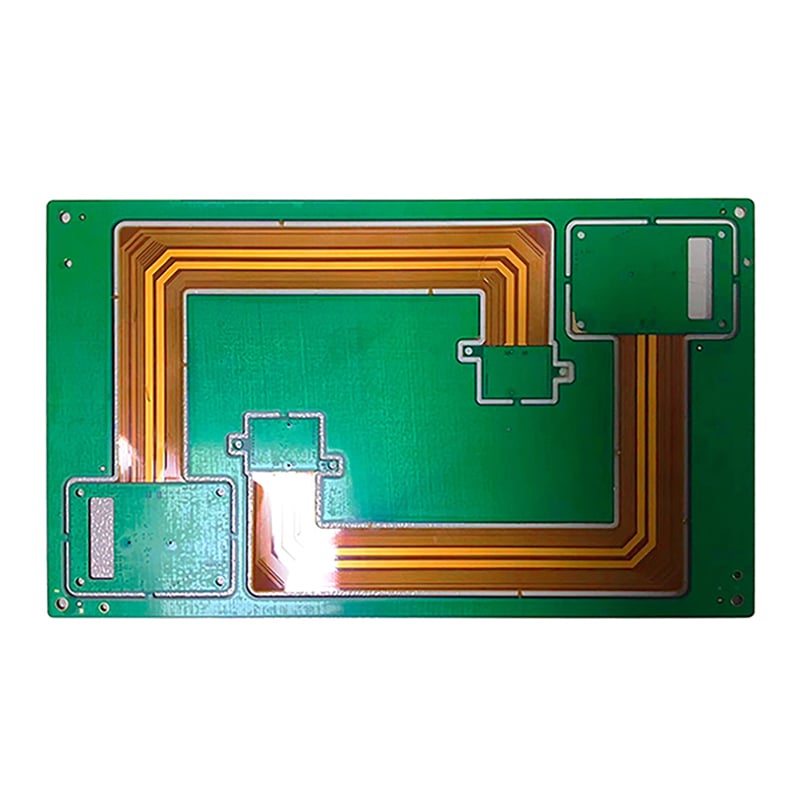
Rigid-flex PCB refers to the combination of rigid boards and flexible circuits into one single structure, thus greatly reducing the number of connectors and cables required. Such a space-saving layout enables engineers to design smaller and lighter electronic devices, hence a rigid-flex PCB is the perfect solution for highly size and weight-constrained applications such as medical device, wearable electronics, and aerospace systems.

Enhanced Reliability in Dynamic and Harsh Environments

By doing away with multiple interconnections, rigid-flex PCB greatly reduces typical points of failure that vibration, shock, and repeated motion can cause. The flexible parts are able to take up the mechanical stress while the rigid parts firmly hold the components, thus electrical performance remains stable even at harsh or dynamic operating environments.

Improved Electrical Performance and Signal Integrity

Rigid-flex PCB technology leads to shorter signal paths and fewer solder joints when compared to traditional multi-board assemblies. Such a layout is able to minimize signal loss, electromagnetic interference, and impedance problems, thus giving better signal integrity and steady electrical performance for high-speed and high-frequency electronic applications.

Simplified Assembly and Lower Total System Cost

It is true that the initial manufacturing cost of rigid-flex PCB can be higher, but it drastically simplifies assembly operations by lowering part count, manual wiring, and assembly steps. The decreased number of components combined with increased assembly efficiency result in lower overall system costs, quicker production cycles, and better product quality for large-scale ​‍​‌‍​‍‌​‍​‌‍​‍‌manufacturing.

Why​‍​‌‍​‍‌​‍​‌‍​‍‌ Is Rigid-Flex PCB Becoming the Preferred Solution for High-Reliability Electronic Design?

The electronics industry is changing rapidly and the designers and manufacturers are always on a hunt for the ways to make the devices smaller, lighter, and more reliable but at the same time not losing performance. This need has put some advanced interconnection technologies under the spotlight, and one of them is rigid-flex PCB. Why is

medical devices, aerospace, automotive electronics, and industrial control systems- Is a rigid-flex PCB being thought of as a "game-changing" technology?

A rigid-flex PCB completely explained

A rigid-flex PCB is a combination of rigid printed circuit boards and flexible circuits that are combined into one structure. Normally, the connection of the different boards is through connectors, cables, or soldered joints, but in the case of rigid-flex, the rigid and flexible layers are laminated together thus creating one unitary board. What has been achieved is a circuit that can be bent, folded, and even twisted while it keeps its stable electrical performance.

Traditional rigid PCBs have very limited geometrical freedom. Rigid-flex PCB designs, on the contrary, open up a third dimension to engineers as they no longer have to stick to flat parts of the board to integrate their circuits. The components can be adapted to the shapes of complex housings and tight spaces.

What makes people use rigid-flex PCB technology?

The top three reasons of why it is preferable to

use a rigid-flex PCB is that a) It is highly dependable in operation and usage; b) It is less complex and; c) It is compact it is encapsulated in the following text:

The reliability of rigid-flex PCB is one of the major reasons why it is currently on top of the popularity list. Every connector or solder joint can cause failure in a normal setup. With the use of rigid-flex PCB, many such connections are eliminated hence vastly reducing the possibility of mechanical failure, signal loss, or even intermittent connections – conditions that are usually more severe in a vibrating environment or one that has high temperature.

Space and weight saving is the second and rather major advantage. Instead of bulky wiring harnesses, flexible portions of the board do the job thus the final packaging can be tighter and the products lighter. To aerospace, wearable electronics, and portable medical devices these are the real blessings where a gram or a millimeter can make a difference in the carrying comfort or apply time.

Advantages of the performance, which goes beyond the size reduction

Solutions of a rigid-flex PCB not only bring about size reduction but they also result in a

significant enhancement in electrical performance. Among other benefits, shorter paths for signals and less interconnections are the main factors leading to reduced electromagnetic interference (EMI) and prevented signal attenuation. Impedance can be well-controlled across both rigid and flexible zones, which makes the rigid-flex

PCB a suitable solution for high-speed digital and RF applications.

Rigid-flex PCB assemblies also commonly enhance thermal performance through the segregation of the heat-dissipating components and routing the signal via flexible areas.

Importance of expertise in solving manufacturing challenges

Apart from all benefits associated with it, rigid-flex PCBs are still one of the most complicated types of PCB to manufacture. Selections of materials, alignment of layers, control of processes, and testing, all these advanced stuff are

implemented here

With the team that is conversant with such advanced technologies like King

field, latent defects can be avoided through proper design

review,

fabrication, and quality testing.

Examples of applications that have driven the sales of rigid-flex PCB up

Multiple sectors are experiencing a rapid increase in their usage of rigid-flex PCB. In the field of medical electronics, the PCB offers the necessary compactness of image producing systems, implantable instruments, and apparatuses for diagnoses besides which reliability is the only requirement not any other thing. With the help of rigid-flex PCB, the automotive industry is able to prepare the different modules, which are the devices for the safety with the intention of vehicle driver (ADAS), infotainment equipment, and networks of sensors that have to meet the harshness of the vehicle environment in terms of vibration and temperature.

Rigid-flex PCB gives long-lasting performance in industrial automation, military, and aerospace applications area even under the very harsh conditions of these three sectors. The ingenious devices and the resulting smart ecosystems are increasingly in metallic gold and through this, the demand for the robust, space-efficient circuit solutions is on the rise.

Is rigid-flex PCB a valuable investment in the light of cost implications?

Due to the fact that Rigid-flex PCB solutions take into account a wide range of factors, it may be difficult for them to be readily compared with traditional rigid boards in terms of cost. Besides the reduced assembly steps, fewer connectors, improved reliability, and lower failure rate, the manufacturers are of the opinion that these types of procedures render the rigid-flex PCB solutions more cost-effective over the lifecycle of their use and the quality of the products is enhanced as well.

The King Field corporation has at its disposal, the skills and the tools needed to ensure an optimal performance of rigid-flex PCB technology with a balanced

level of mouse over manufacturability and cost.

What will be the next stage for Rigid-Flex PCB technology?

We live and work in a world where electronic devices are in a continuous state of innovation and transformation. At the same time, their functionalities increase and they become more compact. As a consequence, rigid-flex PCB technology will find itself more and more essential in such a world. As a result of new developments in materials, manufacturing methods, and software, rigid-flex PCB is no longer an exotic or experimental concept; it is a very real and attainable solution to current problems.

A company that is eager to innovate, have products that are reliable and enjoy the freedom of design will see

rigid-flex PCB as not just an alternative but a

requirement. One can count on a partner like King Field to provide not only the technology and equipment but also the expertise needed to work with the rigid-flex ​‍​‌‍​‍‌​‍​‌‍​‍‌industry.

Blog

How Do You Select a Reliable SMT PCB Assembly Supplier?

27

Dec

How Do You Select a Reliable SMT PCB Assembly Supplier?

Choosing a trusted SMT PCB Assembly Supplier affects quality and delivery in every electronics manufacturing company. SMTA with Surface Mount Technology (SMT) is the essence of the most advanced electronic-products for small, fast, and larg...
View More
What Challenges Come with PCBA BGA Assembly in SMT PCB Production?

28

Dec

What Challenges Come with PCBA BGA Assembly in SMT PCB Production?

Application of PCBA BGA Assembly In Electronic Industry Processing The PCBA BGA assembly process is considered as one of the major processes to fulfill the dense and high performance circuit board in the production of SMT PCB. Due to the co...
View More
How Can Altium Designer PCB Design Improve Your Electronic Product Workflow?

30

Dec

How Can Altium Designer PCB Design Improve Your Electronic Product Workflow?

Today,​‍​‌‍​‍‌​‍​‌‍​‍‌ the electronics industry is changing at such a high pace that even your PCB design process efficiency can become a decisive factor for your product development time, cost, and level o...
View More
Why Is Heavy Copper Flex PCB the Best Choice for High-Current Applications?

31

Dec

Why Is Heavy Copper Flex PCB the Best Choice for High-Current Applications?

In​‍​‌‍​‍‌​‍​‌‍​‍‌ today's world of electronics, three major factors have been the most important focus points: flexibility, reliability, and high-current handling capabilities.As​‍​‌‍​‍&zw...
View More

Get a Free Quote

Our representative will contact you soon.
Email
Name
Company Name
Message
0/1000