 EN
EN
LIDHJE TË SHPEJTA
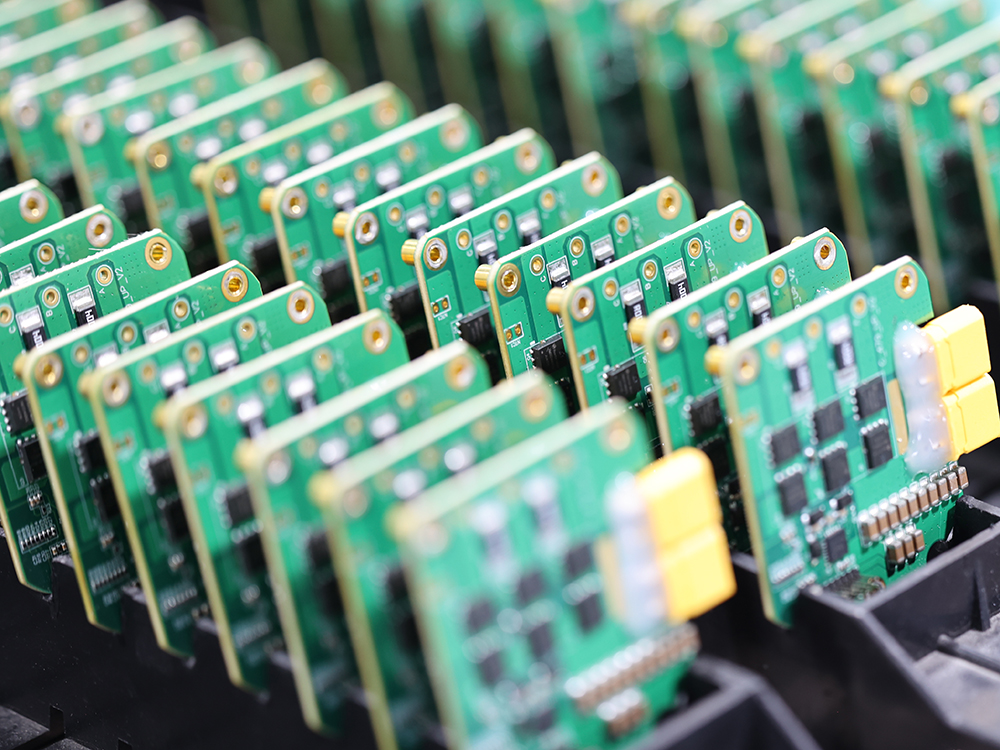
Tabela e Qarkut të Shtypur mbrojtja e (PCB) është e domosdoshme për të siguruar besueshmërinë dhe funksionimin gjatëgjatë të montimeve elektronike. Së bashku me kushtet e rënda komerciale, pajisjet elektronike automobilistike me vibrime të larta ose pajisjet klinike të ndjeshme, nevoja për mbrojtje efektive të PCB-së kundër hyrjes së lagështirës, agjentëve të dhimbshëm, goditjeve dhe ndotësve është më e madhe se kurrë më parë. Dy nga teknikat më të njohura të inkapsulimit të PCB-së janë mbushja (potting) dhe përfundimi konformues, secila me forcat e veta unike, kufizimet dhe rastet më të mira të përdorimit.
Zgjedhja e strategjisë së duhur të inkapsulimit – mbushja e PCB-së ose përfundimi konformal – nuk përcakton vetëm sa mirë do të qëndrojë bordi juaj kryesor në ambientin e tij, por ndikon gjithashtu edhe në koston e prodhimit, thjeshtësinë e riparimit, peshën dhe gjithashtu në jetëgjatësinë e komponenteve. Meqenëse elektronika vazhdon të zvogëlohet në madhësi por të zgjerohet në performancë dhe efikasitet, diskutimi mbi mbushjen versus përfundimin konformal për sigurinë maksimale të PCB-së është më i rëndësishëm se kurrë më parë.
Në këtë udhëzues të plotë, ne do të analizojmë studimet shkencore dhe përvojën reale pas substancave për përfundim konformal dhe mbushje.
Instalimi i Tavolinave të Qarqeve të Shtypura (PCBA) me siguri është procedura e rëndësishme e përdorimit të një pengese mbrojtëse – e quajtur shpesh përfundim ose enkapsulues – për instalimet digjitale kryesore. Kjo veprimtari e rëndësishme nuk ka të bëjë vetëm me pamjen; ajo është struktura e menaxhimit mjedisor për pajisjet tuaja. Shtresa e sigurisë së PCB-së vepron si një mbrojtje kundër një spektri rrezikesh mjedisore, nga avulli i ujit dhe kimikatet korrozive deri te pluhuri, grimcat dhe ndërhyrja elektromagnetike. A do të jeni duke projektuar elektronikë të avancuar për automjete, komponentë të qëndrueshëm për ajrosferë apo pajisje të përdorimit të përditshëm për konsumatorë, siguria e një instalimi digjital rezistent do të thotë që duhet të menaxhoni rreziqet që vijnë nga hyrja e lagështisë, kontaminimi kimik, goditja mekanike dhe ciklet termike.
Qëllimi i rëndësishëm i çdo lloji përfundimi sigurisë për PCB—pavarësisht nëse është një shtresë mbuluese konformale apo një komponim për mbushje—është të krijojë një shtresë pengese që izolon pjesët e ndjeshme elektrike dhe komponentët nga mjediset e rrezikshme. Në dizajnimin e pajisjeve elektronike moderne, zgjedhja e metodës së sigurisë nuk bëhet me lehtësi, pasi një zgjedhje ose aplikim i papërshtatshëm mund të shkaktojë dështime të shpejta, zvogëlim të efikasitetit ose kthime të shtrenjta të produktit. PCB-të jo të sigurt mund të kenë probleme me dëmtimin, qarkullime të shkurtra për shkak të rritjes dendritike, humbjen e vetive dielektrike dhe akumulimin e kontaminimeve, gjithë këto duke shkaktuar dështime të hershme.
Necessiteti për mbrojtje të fortë të PCB-së theksohet nga rastet reale ku pllakat e papërmendura ose të mbrojtura keq ndërpriten nga puna — ndonjëherë katastrofalisht. Për shembull, në mjetet digjitale të automobilave, hyrja e lagështirës ose ekspozimi i drejtpërdrejtë ndaj kripës së rrugës së shpejtë mund të shkaktojë korrozion dhe veprime të pazbrazuara të pajisjeve të ndjeshme, duke rrezikuar sistemet e sigurisë. Në pajisjet elektronike marine dhe ajrore, inkapsulimi i PCB-së është i domosdoshëm: shpërthimi i kripës, mjegulla, ndryshimet e shpejta të temperaturës dhe vibracionet mund të çojnë në dëmtim të shpejtë të kartave të qarqeve të papërmendura.
Kërkesat industriale si IPC-CC-830C dhe IPC-A-610 zhvillojnë praktika ideale për dendësinë e mbulimit, përshtatshmërinë e aplikimit dhe kontrollin. Sektorët me stabilitet të lartë — mjekësor, mbrojtje, aviacion — shpesh specifikojnë këto kërkesa si pjesë të sistemit të tyre të kontrollit të cilësisë.
Avantazhet Sekrete të Përfundimit PCBA:
Mbrojtja nga lagështira dhe pluhuri: Parandalon korrozionin, rritjen dendritike dhe lidhjet të shkurtra si pasojë e kondensimit ose grumbullimit të pluhurit.
Rezistenca ndaj korrozionit: Mbron kundër agjentëve agresivë, shiut të kripur, acidëve dhe kimikateve bazike.
Izolimi dielektrik: Rrit rezistencën, qëndrueshmërinë ndaj tensionit dhe sigurinë e qarkut.
Mbrojtja mekanike: Absorbon goditjet dhe zvogëlon vibracionet.
Sfidimi i ndotësve: Parandalon hyrjen e vajit, gjurmave të gishtave, depozitave estetike dhe shumë të tjera.
Besueshmëria dhe përhershmeria: Prolongon jetëgjatësinë, zvogëlon koston e dështimeve dhe minimizon koston e garancisë.
Mbulimi konformal është një procedurë specializuar për mbrojtjen e pllakave të qarqeve të shtypura (PCB) ose montimeve digjitale, ku në tërë sipërfaqen e pllakës së qarkut të shtypur (PCB) aplikohet një film i hollë polimerik mbrojtës. Termi «konformal» rrjedh nga fakti se ky mbulim i përshtatet saktësisht formës dhe kontureve të komponentëve dhe gjurmave të qarkut — prandaj, ai nuk është një «bllok» i ngurtë mbrojtës, por një shtresë mbrojtëse e përshtatshme që mbron komponentët e ndjeshëm nga një gamë e rreziqeve mjedisore.
Aplikimi i përfundimit konform përbëhet nga vendosja e një shtresë të qartë mbrojtëse, zakonisht me trashësi midis 25–250 mikrometrave (µm), mbi tërë montimin. Kjo shtresë është projektuar për të krijuar një zonë izolimi dielektrike mbi përcjellësit, lidhjet e ngjitjes dhe trupat e komponentëve pa rritur në mënyrë të konsiderueshme peshën ose dimensionet — duke e bërë atë një zgjidhje ideale për pajisjet digjitale mobile dhe portative, ku kufizimet e peshës dhe të volumit janë problemi kryesor.
Zgjedhja e produktit të mbulimit konform është e rëndësishme për performancën e tij në aplikime industriale ose komerciale, si dhe për kërkesat specifike të aplikimit. Kimiat më të përdorura përfshijnë:
Akrilikët: Të njohur për mbrojtjen e shkëlqyer ndaj lagështirës, tharjen të shpejtë, lehtësinë e aplikimit dhe mundësinë e riparimit. Ata ofrojnë rezistencë të kufizuar ndaj kimikateve dhe përdoren gjerësisht për pajisje elektronike konsumatore bazike.
Silikonet: Ofrojnë rezistencë të jashtëzakonshme ndaj vibracioneve, fleksibilitet dhe rezistencë të gjerë ndaj temperaturave (zakonisht nga -55 °C deri në +200 °C), duke bërë që të jenë të domosdoshme për mjetet elektronike ajrore dhe automobilistike. Uretanet (poliuretanet): Sigurojnë rezistencë të fortë ndaj agjentëve kimikë, qëndrueshmëri mekanike të përhershme dhe veti dielektrike të shkëlqyeshme. Megjithatë, aftësia e tyre për rishfrytëzim është e kufizuar në krahasim me polimerët.
Epoqsidet: Ofrojnë mbrojtje të avancuar ndaj agjentëve kimikë dhe erozionit, por zakonisht janë të ngurta dhe të vështira për t'u hequr gjatë rishfrytëzimit, duke i bërë ato më të përshtatshmet për zonat ekstremisht kritike ose të rrezikshme.
Parielina (paraksilena): Zbatohet përmes deponimit të avujve kimikë (CVD); mbulimet me parielinë janë pa vrima dhe ofrojnë mbrojtje uniforme dhe ultra-të holla me veti të jashtëzakonshme kundër lagështirës, agjentëve kimikë dhe vetive elektrike industriale apo civile. Megjithatë, ato janë më të shtrenjta dhe kërkojnë pajisje specializuar.
Varësisht nga sasia e prodhimit, detajet e bordit dhe funksionet e preferuara të shtresave, ofrohen shumë strategji aplikimi:
Shpërthimi: Aplikim me dorë ose me robot për mbrojtje kritike ose të plotë të bordit; ofron shpejtësi dhe përshtatshmëri.
Zhytja: E gjithë montimi zhytet në një vashë sipërfaqe — e përshtatshme për kërkesa të larta volumi dhe mbulimi i qëndrueshëm i sigurisë.
Pastrimi: Aplikim i përqendruar për partitë e vogla ose punime rishqyrtimi.
Sistemet e përfundimit selektiv: Sisteme robotike që aplikojnë saktësisht mbulesat në vendet e caktuara të PCB-së, duke shmangur pjesët e siguruara.
Shumë përfundime moderne konformale kërkojnë një veprim maturimi — kjo mund të bëhet me tharje në ajër, nxehtësi, UV ose lagështi, varësisht nga produkti. Maturimi garanton që mbulimi të arrijë vetitë e tij mekanike dhe kimike përfundimtare, duke krijuar një pengesë të qëndrueshme. Pas maturimit, përfundimet vlerësohen në dritën UV ose me metoda optike për të verifikuar trashësinë tërësisht të barabartë dhe mbrojtjen.
Tabela e Informacionit të Shpejtë: Përfundimi Konformal
|
Veçoria |
Vlera Tipike / Gama |
|
Trashësia |
25–250 µm (zakonisht: 50–150 µm) |
|
Kimi të Zakonshme |
Akrilik, Silikon, Uretan, Epoksi, Parelën. |
|
Metoda të Aplikimit |
Shprerje, Zhytje, Vërtetim me fshesë, Zgjedhje / Automatizuar. |
|
Ngadryshim |
Ajër, ngrohtësi, UV ose lagështi (varësisht nga lënda) |
|
Prona të Veçanta |
Tërheqshmëri, izolim elektrik, pengesë ndaj lagështisë |
|
Transparenca |
Shumica e sipërfaqeve janë të qarta ose pak të holluara |
|
Mundësia e ripunimit |
E lehtë (akrilikët), Moderat (silikonet/uretanet), Testimi (epoksidet/parilenet) |
Në përsëritje, avantazhet kryesore të shtresave mbrojtëse konformale për mbrojtjen e PCB-ve përfshijnë:
Ruajnë formën të lehtë dhe të lëvizshme.
Lejojnë vlerësimin vizual dhe qasjen e lehtë të variablave të testimit.
Lejojnë një zgjidhje më të lehtë për rishfrytëzim dhe riparim.
Rrisin besueshmërinë dhe jetëgjatësinë në mjedise nga mesatare deri në të ashpra.
Përshkruajtjet mbrojtëse konformale janë një teknikë e mençur dhe ekonomike për krijimin e një shtrese barrierë mbi pllakën e shtypur të qarkut, duke mbrojtur investimin tuaj pa ju detyruar të përdorni materiale të ngurtë ose me masë të madhe — cilësi të larta që vendosin bazat për avantazhet e tyre të veçantë performuese.
Zgjedhja e përfundimit të përshtatshëm konformal për mbrojtjen e PCB lidhet me përputhjen e rreziqeve ekologjike të ambientit tuaj me vetitë mbrojtëse të produkteve specifike. Procesi i aplikimit të përfundimit konformal ndikohet në mënyrë të konsiderueshme nga kimia dhe karakteristikat e çdo lloji të rëndësishëm të sipërfaqes konformale. Njohja e këtyre mundësive ndihmon zhvilluesit dhe inxhinierët të arrijnë ekuilibrin optimal të mbrojtjes, qëndrueshmërisë, përshtatshmërisë, riparueshmërisë dhe koston për rastet e përdorimit të tyre specifike.
Shtresat polimerike janë ndër më të përdorurat zakonisht në aplikimet e pajisjeve elektronike dhe të pajisjeve të konsumatorit. Ato përbëhen nga polimerë akrilikë me tharje të shpejtë dhe formojnë një film të qartë ose pak të turbullt që ofron mbrojtje të fortë kundër lagështirës, rezistencë moderate kundër kimikateve dhe izolim elektrik të besueshëm.
Mbulesat e silikonit ofrojnë një shumësi të jashtëzakonshme të përdorimeve dhe rezistencë ndaj temperaturës në fushën e mbrojtjes së PCB-ve. Ata dallohen për aftësinë e tyre të mbeten të sigurtë nga -55 °C deri në +200 °C (ose edhe më shumë), duke u bërë zgjidhja kryesore për pajisjet elektronike të automjeteve, PCB-të e aero-hapësirës dhe aplikime të tjera që janë të ekspozuara në cikle termike ekstreme ose vibracione.
Mbulesat e uretanit (ose poliuretanit) janë prodhuar për rezistencë kimike optimale. Ato përdoren shpesh në aplikime ku pritet ekspozimi direktpër gazra, tretësira, avujt shkatërrues ose kimikatet agresive.
Mbulesat epoksidike janë zgjidhje të qëndrueshme ku rezistenca optimale ndaj korrozionit dhe rezistenca ndaj fërkimit janë më të rëndësishme se përfitimi nga modifikimi. Këto sisteme me dy pjesë shërbejnë në një film të fortë dhe të ngurtë, i cili reziston kundër acideve të forta, bazave dhe konsumimit fizik.
Përshkruajtjet me Parylene përfaqësojnë luxin e aplikimit të shtresës konformale duke përdorur deponimin e avujve kimikë (CVD). Procesi zhvillon një pengesë të vërtetë pa vrima, ultra-të hollë dhe konformale që mbulon çdo hapje – edhe nën trupat e pjesëve.
Zgjedhja e produktit të duhur për përfundim konformal është e rëndësishme për të arritur ekuilibrin më të mirë midis mbrojtjes së PCB-së, shumëfunksionalitetit, mundësisë së riparimit dhe menaxhimit mjedisnor. Në probleme me lagështi të lartë dhe kripëri të lartë, silikon ose paryleni do ofrojnë siguri të jashtëzakonshme të qëndrueshme. Për produkte të konsumatorit ose aplikime ku prioritet kryesor është shpejtësia dhe riparimi i lehtë në fushë, përdoren polimerët standarde. Kur është e mundur kontakti kimik, uretani është zgjidhja më e mirë.
Kur vendosni metodën optimale të mbrojtjes së PCB-së për një montim elektronik specifik, është e rëndësishme një krahasim i drejtpërdrejtë i mbulimit me masë (potting) dhe shtresës konformale. Të dyja funksionojnë si shtresa pengese që mbrojnë kartën e qarkut të shtypur nga lagështia, kimikatet, vibracionet dhe ndotësit, por ofrojnë balancime të ndryshme të forcës së mbrojtjes, të përmirësueshmërisë, të mundësisë së riparimit dhe të ndikimit në dimensione dhe peshë. Zgjedhja midis këtyre dy metodave ndikon jo vetëm në besueshmërinë e gjatë afatit të PCB-së suaj, por edhe në strukturën tuaj të kostos, në përdorimin dhe në dizajnin përgjithësisht të produktit.
Mbushja me masë (Potting): Ofron inkapsulimin më efikas. Masa e trashë (zakonisht 1–10 mm e materialit për mbushje) rrethon plotësisht montimin, duke e bërë atë në përgjithësi të paprekshëm nga hyrja e lagështisë, kushtet agresive dhe stresi mekanik dhe ankthi. Ajo shkëlqen në rezistencën ndaj goditjeve, vibracioneve dhe situatave të zhytjes së plotë.
Përfundimi Konformal: Një barierë e hollë dhe specifike (zakonisht 25–250 µm e trashë). Mbron kundër lagështirës, vibrimeve të vogla dhe shumë ndotësve të zakonshëm, por nuk i reziston goditjeve direkte apo zhytjes së vazhdueshme siç bën potting-u.
Potting-u: Pas përpunimit, produkti bëhet shumë i ngurtë (epoksi) ose elastomerik (silikon), por në çdo rast është shumë i vështirë – ose pothuajse i pamundur – të rishikohet, riparohet ose kontrollohet një PCB e potuar. Ndryshimet zakonisht kërkojnë zhdukjen e plotë të materialit mbulues.
Traktimi Konformal: Siguron përshtatshmëri jo vetëm në strukturat e sigurisë, por edhe në rrjedhën e prodhimit. Mbulesat polimerike dhe disa silikonike zakonisht mund të hiqen mekanikisht ose me tretësira, duke lejuar riparimin dhe ndryshimin e komponentëve ose të gjurmave. Edhe shtresat uretanike dhe epoksike, megjithëse më të ngurta, nuk janë aq të pashlyeshme sa potting-u.
Paketimi: Shton peshë dhe masë të konsiderueshme në instalimin; nëse vendndodhja, masa ose trashësia shkojnë në çmim, paketimi mund të jetë një disavantazh.
Përshkrimi Konformal: Ultra-lehtë dhe konformal, duke përfshirë trashësi të papërfillshme dhe peshë praktikisht zero – ideal për pajisjet elektronike mobile të konsumatorit, pajisjet e veshur dhe çdo vend ku miniaturizimi është i rëndësishëm.
Paketimi: Mbulon të gjitha telat nën një masë të fortë; testimi në qark, zbulimi i gabimeve ose përditësimet pas instalimit nuk janë të dobishme.
Përshkrimi Konformal: Natyra e qartë e shumë mbulesave lejon inspektimin vizual, qasjen e probës për testimin e variablave dhe mirëmbajtjen apo riparimin e thjeshtë të zonës nëse kjo kërkohet.
Paketimi: Përfshin një sasi të madhe më shumë çmim materiali, kohë më të gjatë përpunimi dhe trajtimi, dhe punë më të madhe për shkak të formimit dhe rregullimit të moldit, shpërndarjes së materialeve dhe nxjerrjes së ajrit për të shmangur boshllëqet. Megjithatë, kostoja e punës mund të kompensohet ndonjëherë kur zvogëlohen dëmtimet e veglave në fushë.
Traktimi konformal: Zakonisht më i ekonomik, më i shpejtë për përdorim (shpricim, zhytje, me kujdes) dhe jashtëzakonisht i skalueshëm; zgjidhje kryesore për automatizim dhe mallra të konsumit.
|
Veçoria |
Përshkrim konformues |
Paketimi |
|
Trashësia e Sigurisë dhe Mbrojtjes |
25–250 µm |
1–10 mm |
|
Kapsulimi |
E hollë, ngjitet në forma; lë disa zona të papërfshira |
Mbështjellje e plotë: ngarkesa dhe kufijtë të gjithë |
|
Mbrojtja nga lagështia |
E lartë (megjithatë jo e mbuluar plotësisht) |
Ultramoderna, përfshin rezistencën ndaj mbulimit plotësisht |
|
Larg/Largjeshëm |
Moderate deri në të mirë |
E shkëlqyeshme (ideale për ekstreme të rënda) |
|
Mundësia e ripunimit |
E lehtë për t'u menaxhuar; mund të zhduket dhe riparohet |
Gati e pamundur; eliminimi shkatërrues |
|
Qasja për vlerësim |
E plotë (faktorë estetikë dhe vlerësimi) |
Asnjë (plotësisht e kapsuluar/e fshehur) |
|
Ndikimi i peshës/vëllimit |
Minimale |
Signifikante (shton masën dhe masën) |
|
Kosto |
Më e ulët (materialet dhe procedura) |
Më e madhe (produktet, puna, stuhitë, kontrolli i cilësisë) |
|
Më e përshtatshme për |
Konsumatorët, pajisjet me dorë, ambientet modeste |
Automobilistikë, ajrorë dhe hapësinore, maritime, tregtare |
Nuk ka një zgjidhje universale. Zgjedhja është një kompromis tradicional i dizajnit.
Nëse prioriteti kryesor i juaji është qëndrueshmëria ideale e sigurisë për përdorim në ambiente të rrezikshme ose të ekspozuara ndaj manipulimit, potting-u është zgjidhja e shkëlqyer, megjithëse më pak e thjeshtë për mirëmbajtje.
Kur kërkoni riparueshmëri, siguri me peshë të lehtë dhe çmim të lartë prodhimi me vëllim të madh – siç është rasti me telefonat inteligjentë, njësitë e mbledhjes së IoT-së dhe pajisjet e konsumatorëve në shtëpi – mbulimi konformal ofron shërbimin maksimal.
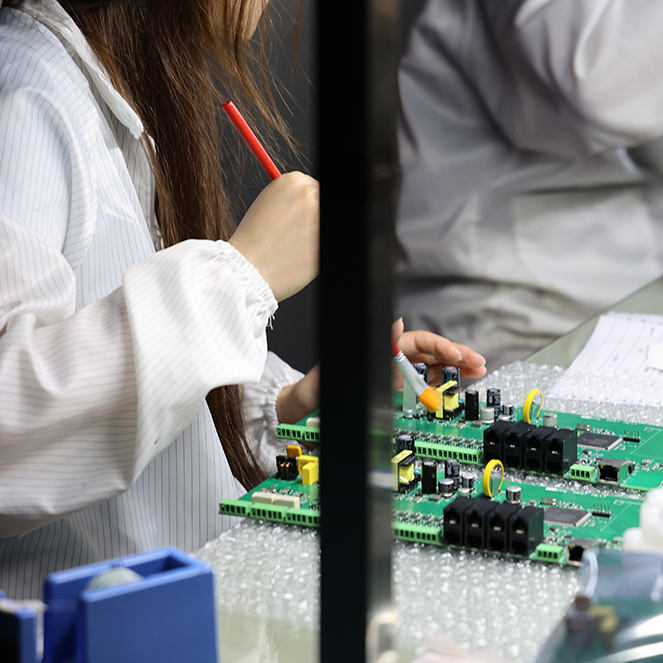
Vlera e sigurisë së PCB-ve bëhet shumë e qartë kur shikojmë sektorët e botës reale ku pajisjet digjitale pritet të funksionojnë – dhe gjithashtu të zhvillohen – në kushte të vështira, si p.sh. ndërhyrjet me presion të lartë. Zgjedhja midis shtresës konformale dhe mbushjes (potting) përcaktohet shpesh nga vendosja e aplikimit, kërkesat specifike të performancës dhe faktorët e mëposhtëm, si p.sh. mirëmbajtja në fushë, përputhja me rregullimet dhe rreziqet për siguri dhe sigurinë.
Makinat moderne janë të mbushura me pajisje kontrolli të ndjeshme – përfshin komponentët e kontrollit të motorit (ECU), sistemet e transmetimit, sistemet e avancuara të ndihmës për shoferin (ADAS) dhe shumë qarqe sensorësh. Këto PCB duhet të funksionojnë besnikisht në ekstreme temperaturash, të rezistojnë vibrimeve të vazhdueshme dhe të durojnë shpritzimet nga kripërat e rrugëve, vaji, uji dhe kimikatet e bazuar në naftë.
Paketimi: Përdoret shpesh për elementët e motorit, njësitë e mbledhjes në rrotë ose sistemet e kontrollit nën trup, ku ekspozimi direkt ndaj rreziqeve mekanike dhe kimike është i zakonshëm. Encapsulanti i trashë dhe rezistent siguron mbrojtje kundër goditjeve, bllokon hyrjen e lagështisë dhe parandalon dëmtimin edhe pas viteve të përdorimit të vështirë.
Përfundimi Konformal: Ideal për montimet e PCB-ve më të mbrojtura në kabina ose në bagazh, si p.sh. sistemet e komunikimit të paguara, kontrolli i komoditetit ose pajisjet elektronike të interfesit, ku kondensimi ose kontaminimi i vogël paraqesin një rrezik më të madh se zhytja ose rezonanca.
Integriteti në aplikimet ajrospaciale dhe avionike nuk është i lëkundshëm. Sistemet e kompjuterave të udhëtimit, pajisjet e matjes inerciale, panelet e kontrollit të satelitëve dhe sensorët miqësores me ambientin janë të ekspozuara ndaj ndryshimeve të shpejta të temperaturës, rezonancës ekstreme, rrezatimit UV dhe, në shumicën e rasteve, ndaj lagështisë atmosferike direkte.
Paketimi: Zgjedhja e vetme e mundshme për avionikën kritike për misionin ose pjesët e vendosura në konceptet e krahut, në kompartimentet e papresurizuara ose në ngarkesat satelitore, duke siguruar funksionimin vazhdimës nëpër dhe pas forcave të mëdha G ose ndoshta pas efekteve katastrofale.
Përshkrimi i Përformuar: Përdoret në konsolën avionike të kabinës së pilotimit, në pajisjet elektronike të kabines ose aty ku janë të nevojshme vlerësimi i zakonshëm dhe mundësia e riparimit të zonës.
Mjegulla e kripur, lagështia e lartë dhe shpricimi janë shoqëritë e përhershme të pajisjeve digjitale me cilësi marine. Korrozioni është i brutallizuar, prandaj mbrojtja nga lagështia dhe rezistenca kimike janë çështjet kryesore.
Paketimi: Kontrollues në sistemet e sensorëve nën det, në panelet e rrjedhës së energjisë dhe në shenjat e navigimit që mund të jenë të zhytur ose të ekspozuara ndaj veprimtarisë së valëve udhëzuese.
Përshkrimi i Përformuar: Përdoret brenda kapseleve të mbrojtura ose për koleksione pajisjesh mbi dek, ku pesha dhe mundësia e riparimit janë ende të rëndësishme dhe ekspozimi i menjëhershëm i shpejtë ndaj lagështisë ose kripës është i mundshëm.
Në pajisjet inteligjente, tabletet, pajisjet e veshur dhe pajisjet elektronike shtëpiake, kompromiset janë të drejtuara kundër kufizimeve të peshës dhe sasisë, duke bërë të mundur shpejtësinë dhe alternativat e riparimit pas shitjes.
Përfundimi i Përshtatshëm: I rëndësishëm për bordet mobile dhe me dendësi të lartë, si ato në telefonat inteligjentë, ku mbajtja e pajisjeve të lehta dhe të holla është e domosdoshme. Shtresa e pengesës mbron nga lagështia, dielli, ekspozimi i vogël i lëngjeve dhe rrëshqitjet e papritura pa penguar përmirësimet ose azhurnimet.
Mbushja: Përdoret rrallë, përveç në disa komponentë si bateritë e pajisjeve inteligjente rezistente ndaj ujit ose kamerat e veçanta të aktivitetit me rezistencë të lartë, të rekomanduara për aktivitete sportive të ashpra.
Fabrikat, minierat dhe qendrat e prodhimit të energjisë janë të ashpërta ndaj mjetëve elektronike – mendoni për pluhurin, kimikatet korrozive, rritjet e papritura të tensionit, ciklet termike dhe goditjet mekanike të vazhdueshme.
Paketimi: Zgjedhur për pajisjet e fushës, si p.sh. kontrolletorët e mjetave të rënda, njësitë jashtë sallës dhe nyjet e automatizimit të biznesit, në bazë të papastërtive, vajit dhe kimikateve të rrezikshme.
Përshkrimi konformal: Mbrojtur kabinete dhe panele rele ku përditësimet, monitorimi dhe mirëmbajtja kryhen rregullisht.
PCBA shkencore – veçanërisht mjete orale të implantuara ose të veshura – duhet të tolerojnë lëngjet e trupit, ciklet e sterylizimit dhe ekspozimin e qëndrueshëm direkt ndaj kripërave (dielli, gjaku), duke kërkuar një besueshmëri elektrike të plotë.
Paketimi: Përdorur për pajisje dentare të implantuara në trup, pasi pengon hyrjen e lëngjeve dhe daljen e kimikateve të pajisjes, duke mbrojtur sigurinë dhe sigurtinë e individit.
Mbuloimi konformal: Zbatuar në pajisjet e gjurmimit jashtë sallës për të parandaluar rrjedhjet, pastrimet me fshirje dhe kimikatet e pastrimit.
Zgjedhja midis mbulimit me gëlqere dhe përfundimit konform për sigurinë e PCB është një vendim i hollësuar – dhe një që mund të përcaktojë integritetin e ardhmëshëm, përdorimin dhe shkallën e përgjithshme të zotërimit të sistemit tuaj elektronik. Çdo aplikacion ka koleksionin e tij të veçantë rreziqesh, ekspozimeve ekologjike, kufizimeve të tregut dhe kërkesave të larta cilësie. Për të marrë një vendim të informuar, konsideroni këto komponentë të rëndësishëm.
Pyetni veten: Cilat janë situatat më të keqja për këtë pajisje?
Ambientet e rënda: A ka mundësi për zhytje të plotë, pastrim me shtypje të lartë, vibrime të vazhdueshme (në kompartimentin e motorit) ose ekspozim direktesh në kimikate të fuortë?
Ambientet e moderuara: A do të ekspozohet pllaka kryesisht ndaj kondensimit, lagështisë së lartë, shpërthimeve të vogla ose ndryshimeve të temperaturës dhe pluhurit në ambientet e konsumatorit ose të biznesit?
Qarqet me Rëndësi Vendimtare për Misionin: Në siguri, klinike, ose çdo lloj aplikimi ku dështimi i PCB-së mund të shkaktojë lëndime, humbje financiare apo veprime rregullative, kërketë përdorimin e mbulimit me gomë si mbrojtja optimale – edhe nëse kjo rrit kostot fillestare ose kompleksitetin e prodhimit.
Pajisjet e Klientit / Funksionet Jo-Të-Rëndësishme: Nëse shkalla e dështimit është kryesisht një problem i shërbimit ose një kërkesë për sigurim të garancisë (dhe mund të riparohet lehtë), mbulimi konformal përzgjidhet pothuajse gjithmonë.
A do të keni nevojë të ndryshoni, kontrolloni ose riparoni PCB-në në të ardhmen?
Mbushja me gomë (Potting): Pas mbulimit, është praktikisht e pamundur të hiqet pa dëmtuar montazhin.
Mbulimi konformal: Akrilikët dhe disa silikonë mund të hiqen me anë të tretësirave, nxehtësisë ose metodave mekanike, duke lejuar zgjidhje të shpejta të riparimit në fushë, përditësime ose zbulimin e gabimeve.
A është madhësia ose pesha e mbulimit një faktor kufizues?
Paketimi: Përbëhet nga masë e konsiderueshme, e cila mund të mos përshtatet me mjete portative, të veshura ose me kufizime hapësirë.
Përfundimi konformal: Krijuar për 'peshë të papamja' dhe llogaritje të hollësishme, duke ruajtur dendësinë për elektronikën e miniaturizuar.
Paketimi: Çmim më i lartë i materialeve të para, punë dorë për përgatitjen e moldit dhe të formave, sigurimi i cilësisë, kohë më e gjatë e traktimit dhe e procedurës, por çmime më të ulëta të dështimeve në fushë.
Shtresa konformale: Shpenzime më të ulëta, rritje më e shpejtë e prodhimit, mbulim më i thjeshtë dhe logjistikë shumë më e lehtë.
Tregjet kritike për misionin dhe të rregulluara mund të kërkojnë procese specifike të inkapsulimit ose kërkesa specifike për aplikimin e përfundimit konformal – siç janë IPC-CC-830, MIL-I-46058C ose përputhja me RoHS. Njohja e kërkesave të industrisë suaj është e domosdoshme para se të përfundoni zgjedhjen tuaj.
|
Faktori i vendimit |
Përshkrim konformues |
Paketimi |
|
Environtmenti |
Moderate/brëndshme |
Të ashpra/të ekstreme/jashtë |
|
Kostoja e Ndërprerjes së Punës |
E ulët deri në mesatare |
E lartë/kritike/irreversibile |
|
Punë riparimi dhe riparim i zonës |
E nevojshme shpeshherë |
E rrallë ose kurrë |
|
Kufizim i madhësisë/peshës |
Të rrepta ose miniaturizuar |
Hapësirë për masën/madhësinë të përfshirë |
|
Informacion i nevojshëm për inspektimin/testimin |
Po |
No |
|
Prioriteti i kostonjës/shpejtësisë së prodhimit |
E lartë |
Më pak e rëndësishme |
|
Kërkesë rregullative/specifikacioni |
Vetëm IPC-CC-830 |
Kërkesat ushtarake/aerospaciale/mjekësore |
"Kur shkalla reale e ndalimit të punës së panelit është kohë e humbur, humbje informacioni ose kërcënim sigurie, mbushja meriton çdo cent dhe çdo gram. Kur produkti juaj ekziston dhe vdes në varësi të reduktimit të peshës, shpejtësisë së hyrjes në treg dhe përditësimeve ekstremisht të thjeshta, mbulimi konformal ju lejon të mbani një hap para konkurrencës." — Projektues i Stabilitetit të Vjetër të Gadgets-eve Elektronike.
Disa aplikacione përdorin të dy metodat: pikat kritike ose vendet e ndjeshme mbushen, ndërsa pjesa tjetër e panelit merr përfundim konformal. Kjo siguron mbrojtje optimale aty ku është më e rëndësishme, duke ruajtur gjithë montimin të lehtë dhe të mirëmbajtshëm.
Zgjedhja e kompanisë së përsosur për mbrojtjen tuaj të PCB – qoftë kjo mbushje, përfundim konformal ose një teknikë e kombinuar enkapsulimi – mund të bëjë gjithë ndryshimin në cilësinë e saktë të produkteve tuaja dhe në integritetin e tyre të qëndrueshëm në fushë. Në ZEON , ne kemi kënaqësi të madhe duke qenë më shumë se një prodhues PCB; ne jemi mikut i dizajnit tuaj në sigurinë e avancuar të PCB dhe në vendosjen e suksesit.
Grupet tona të përvojuara në dizajnim dhe prodhim janë në krye të aplikimit të përfshirjes konformale dhe të zgjedhjes së komponimeve për mbushje. Prej pajisjeve elektronike të makinave deri te montimet komplekse ajrospaciale, ne përshtasim trajtimet dhe produktet tona të inkapsulimit sipas kërkesave tuaja:
Mbushja (Potting) dhe Inkapsulimi: Zgjedhje e plotë e komponimeve për mbushje bazë epokside, poliuretani dhe silikon, me udhëzime eksperte rreth formulimit optimal për ambientin e aplikimit tuaj, kufizimet operative dhe kërkesat për riparim.
Përfundimi i Përshtatshëm: Trajtimet e avancuara të aplikimit që përfshijnë shpricimin, zhytjen, përdorimin e fshërkuesit dhe shtresën robotike të dallueshme, si dhe njohjen e tërë spektrit të kimikateve – akrilik, silikon, uretan, epoksi dhe parilin.
Përshtatshmëria me IPC-CC-830 dhe Specifikimet Ushtarake: Trajtimet tona plotësojnë kërkesat më të ashpra në tregun e PCB-ve, duke siguruar dendësinë e shtresës, harmoninë e mbrojtjes, qëndrueshmërinë dielektrike dhe aplikimin pa defekte.
Maskimi i Plotë i Komponentëve: Ne maskojmë me kujdes të veçantë portat, butonat dhe shkarkuesit e nxehtësisë aty ku është e nevojshme, duke garantuar sigurinë e sinjalit dhe sigurinë gjatë përfundimit të përshtatshëm ose mbushjes.
Pastrimi i Plotë dhe Përgatitja Paraprake: Çdo pllakë kalon nëpër procedurën e përgatitjes së sipërfaqes para mbulimit ose para mbushjes – e domosdoshme për ngjitjen, integritetin e penguesit të lagështisë dhe parandalimin e dështimeve.
Vlerësimi Termik dhe me Rreze X për Montimet e Mbështjellura: Për PCB-të të rëndësishme ose me dendësi të lartë, ne përdorim inspektimin me rreze X për të siguruar mbështjellimin pa flluska dhe përputhjen me cilësinë e lartë brenda, duke parandaluar dështimet si pasojë të boshllëqeve ose kontaminimit të fshehur.
Gjurmimi i Partive dhe Certifikimi: Çdo partisë e mbështjellur gjurmon dhe certifikohet, duke siguruar përputhjen me kërkesat dokumentare të punës suaj.
Testimi i Performancës dhe të Integritetit: Ne nënshtrojmë pllakat e mbështjellura dhe të mbrojtura testimeve të vështira të jetëgjatësisë së rritur dhe të testimeve ekologjike – ciklizimi termik, lagështia, mjegulli i kripur, vibracioni, stresi i tensionit dhe ankthi.
Mbështjellim I Përshtatur Hibrid: Për projekte që kërkojnë njëkohësisht menaxhim të fortë ambiental dhe zona funksionale, ne krijojmë zgjidhje që integrojnë mbështjellimin, mbulimin konformal kritik dhe maskimin.
Prototipizimi i shpejtë deri në prodhimin në sasi: A është për versione të shpejta për zhvillimin e produkteve të reja apo për lansime të mëdha, linjat tona të montimit janë të përshtatura për të dyja, për përsosje dhe për shkallëzim, duke mbajtur kohën tuaj deri në treg të shkurtër pa komprometuar cilësinë e lartë.
Konsultime të thelluara në dizajn për zgjedhjen e metodës së përsosur të mbrojtjes së PCB-ve.
Komunikim i drejtpërdrejtë me grupin tonë teknik gjatë tërë ciklit të jetës së projektit tuaj.
Ofertë çmimi e qartë dhe kostot e arsyeshme për të gjitha nivelet e prodhimit.
"Ne nuk prodhojmë vetëm PCB-të tuaja – ne sigurojmë që ata të qëndrojnë në realitet. Zgjidhjet tona të provuara dhe të testuara të mbrojtjes së PCB ju ndihmojnë të minimizoni dëmtimet në fushë, shpenzimet e garancisë dhe kthimet e produkteve, çdo vit." – Dizajneri Kryesor, ZEON LOCATION.
A: Diferenca kryesore është shkalla e mbrojtjes dhe e inkapsulimit fizik. Potting-u vendos plotësisht PCBA-në në një material të ngurtë ose me strukturë gëlqere, duke krijuar një sfidë monolitike që përballet me kushtet më të vështira – përfshirë zhytjen e plotë dhe rezonancën ekstreme. Përballë kësaj, mbulimi konformal është një shtresë e hollë polimerike mbrojtëse që mbulon sipërfaqen e bordit, duke bllokuar lagështinë, pluhurin dhe ndotësit e vegjël, duke mbetur i lehtë dhe duke lejuar rishfrytëzimin praktik ose analizën vizuale.
A: Filloni me ambientin e produktit tuaj dhe rreziqet e dështimit:
Potting-u është i domosdoshëm për kushte të ashpra ose aty ku kërkohet besueshmëria maksimale – pa kusur.
Mbulimi konformal është i shkëlqyer për stilet me kufizime në peshë ose volum, ose kur riparimi/reshfrytëzimi i zonës, aksesimi për vlerësim ose ekonomia e organizimit me vëllim të lartë janë çështje.
A: Trajtim konformal: Shumë prej përfundimeve me bazë akriliku dhe disa silikoni mund të hiqen duke përdorur tretës (si pastrues të veçantë ose izopropanol), gërryerje termike/mekanike ose kruarje të lehtë, duke mundësuar rinovimin ose rregullimet e rrjetit. Trajtimet me uretan dhe epoksi janë shumë më të vështira, por jo gjithmonë të pamundura me mjete të veçanta.
Mbushja (Potting): Pas përfundimit të plotë, heqja është zakonisht shkatërruese. Vetëm disa gela të buta silikonike lejojnë një riparim të kufizuar shumë "prerje-dhe-hermetizim", dhe edhe atëherë, zëvendësimi i pjesëve mund të jetë akoma i vështirë. Për shërbimet e rëndësishme të riparimit, është e zakonshme të zëvendësohet e gjithë njësia.
A: Materiat për mbushje (potting) përbëhen zakonisht nga:
Materiale epoksidike.
Materiale poliuretane (uretane).
Gela silikonike.
Mbulimet konformale përfshijnë:
Polimerë.
Silikonë.
Uretanet.
Epoqsidet.
Pareleni.
Përgjigje: Sipërfaqet konformale janë të holla dhe shpesh kanë ndikim minimal në transferimin e nxehtësisë ose në monitorimin termik të tabelës.
Materiat e mbulimit të plotë mund të mbrojnë nxehtësinë dhe, me trajtimin e duhur, të veçojnë si ura për transferimin e nxehtësisë. Materiat moderne të mbulimit të plotë me aftësi termike të lartë ndihmojnë në zhvendosjen e nxehtësisë larg pajisjeve me fuqi – gjë e domosdoshme për drejtuesit e LED-ve, inverterët ose kontrollorët e motorëve.
Artikull i shkruar nga Zeon
Përshëndetje, unë jam Zeon — 20 vjet në prodhimin e PCB dhe të elektronikës. Projektimi i faqes së parë dhe kërkimi zhvillimor, blerja e komponentëve, montimi SMT me saktësi, montimi DIP me anë të vrimave dhe montimi i plotë i njësisë. Kjo është rruga e plotë nga koncepti deri te produkti i përfunduar, dhe është rruga që kam kaluar për dy dekada.
 Lajme të nxehta
2026-09-07
2026-09-04
2026-09-03
2026-09-01
2026-08-31
2026-08-27
2026-08-26
2026-08-24