On the one hand, electronic gadgets get smaller and more compact. On the other hand, they require higher performance and reliability. In that regard, traditional rigid or flexible PCBs are not sufficient by themselves anymore. That is why rigid-flex PCB technology is gaining so much attention at the moment. Combining the stability of a rigid board with the adaptability of a flexible circuit, rigid-flex PCBs are becoming the most used solution for high-reliability electronics across industries.
Such a transition is rather a matter of practical reality than a mere trend at King Field as they have been catering to the aerospace, medical, industrial control, and advanced consumer electronics sectors for quite some time.
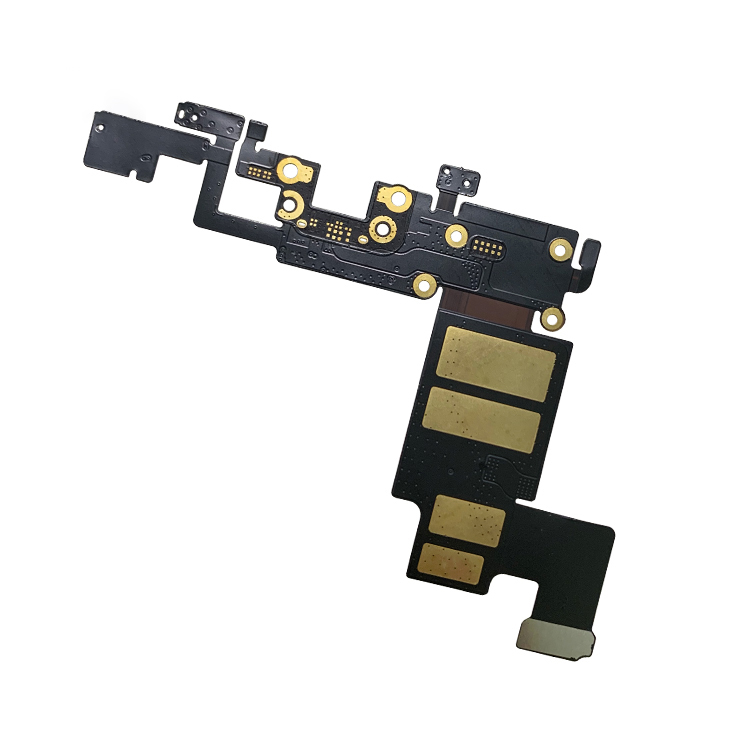
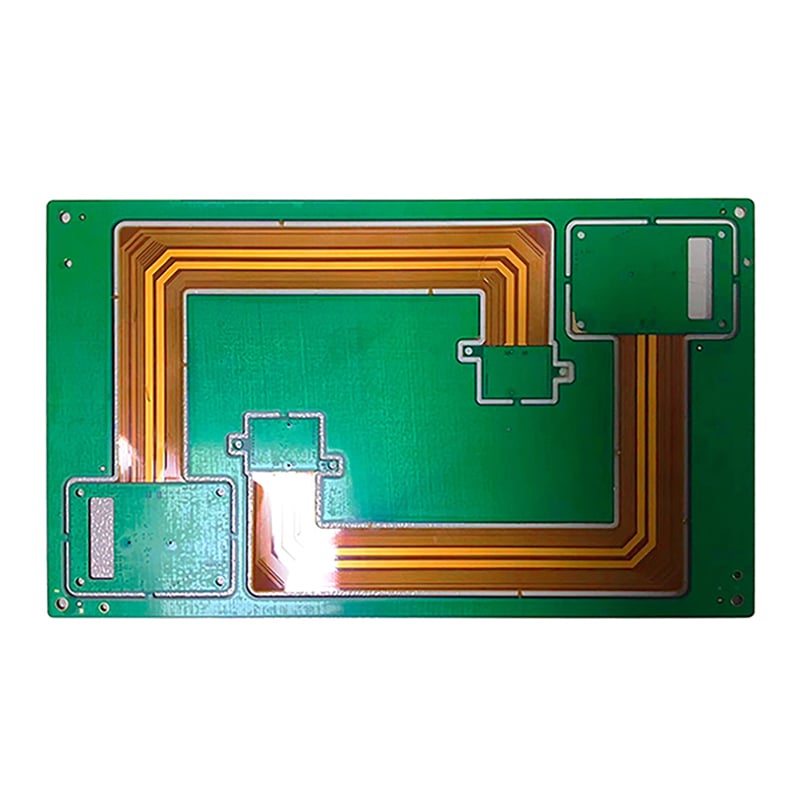
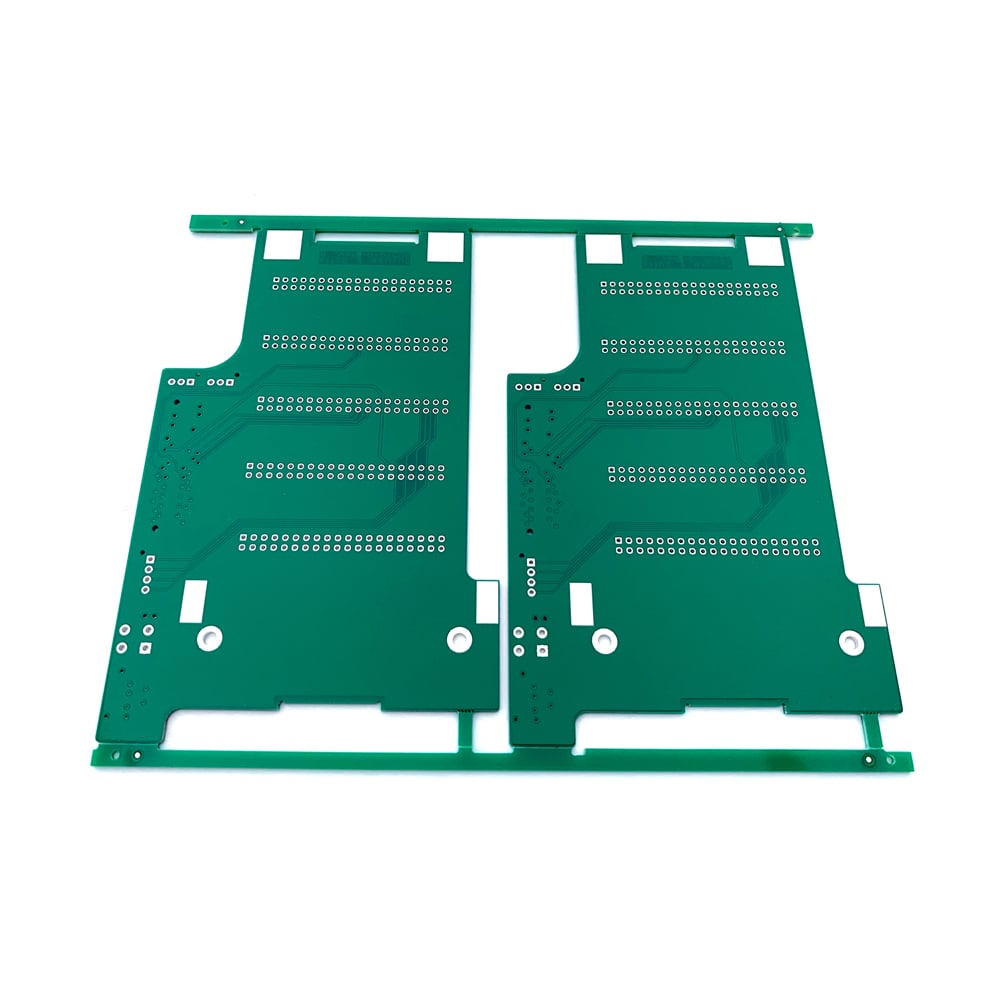
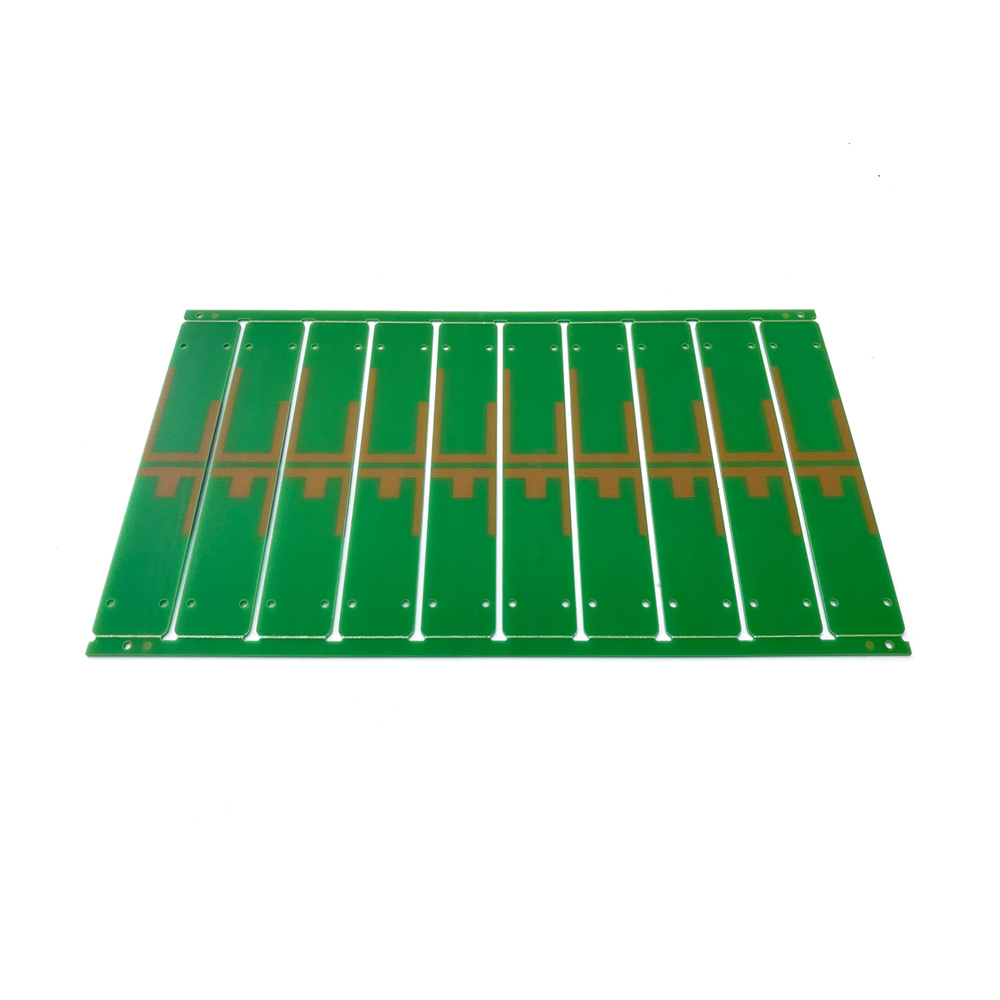
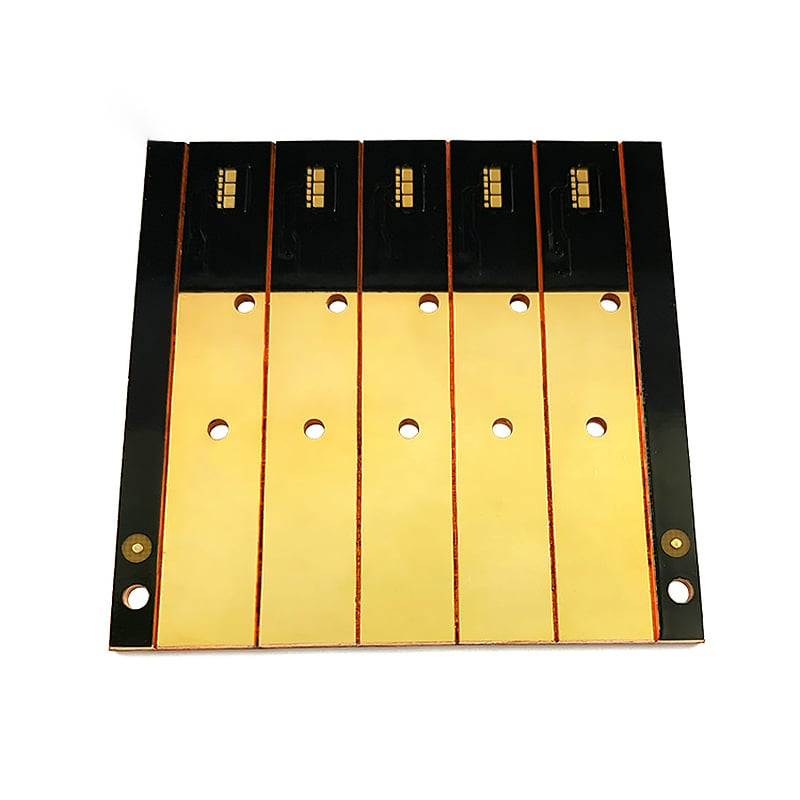
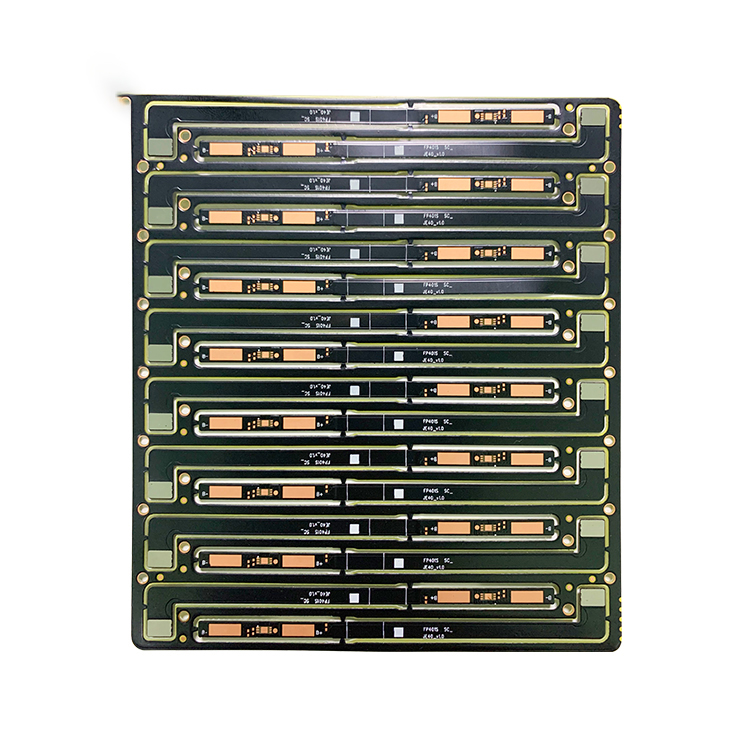
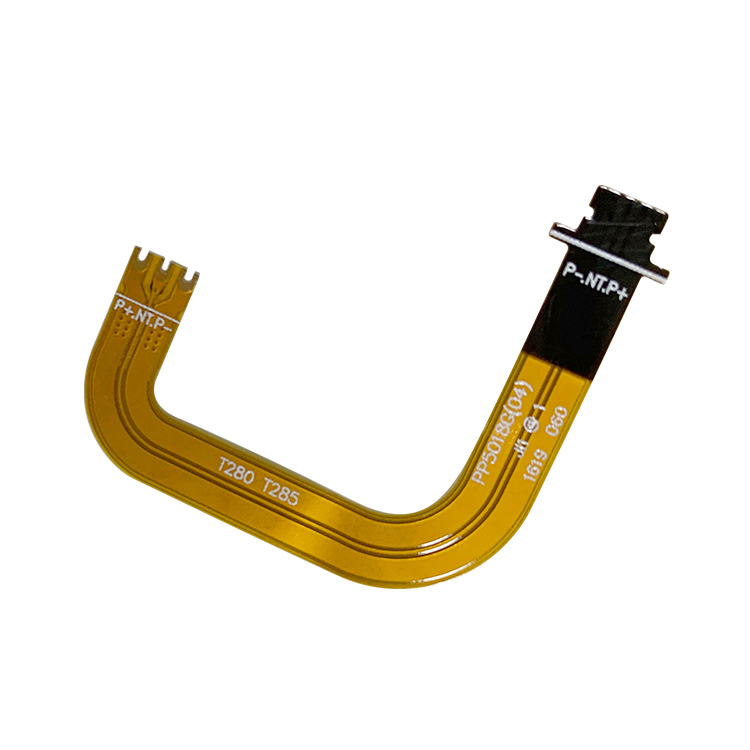
A rigid-flex PCB is a circuit board that includes rigid FR-4 parts and flexible polyimide circuits, which are combined into one whole structure. On the contrary to the regular flex assemblies that are connected by cables or connectors, rigid-flex boards are fused together, thus enabling flawless electrical continuity and mechanical stability.
That kind of structure lets designers come up with 3D circuits, cut down on the number of interconnect points, and get rid of the wiring that takes up too much space, i.e., major benefits in tight and important applications.
Reliability is what makes rigid-flex PCB stand out from other products. The fewer connects you have, the fewer becomes the points at which failure is possible. Since connectors happen to be the most fragile part of an electronic system, their removal not only results in long-run performance but also the overall increase in product life.
King Field makes it possible to withstand any type of condition including vibration, thermal cycling, and harsh environments by fancy lamination mixing and very tight impedance control for signal integrity and mechanical strength.
Rigid-flex PCBs give designers the liberty of wrapping circuits around tight enclosures with no impact on the final performance. This is a great solution to the space problems medical devices, aerospace avionics, and wearable gadgets face.
There is no need to produce several different boards and then connect them together. One rigid-flex PCB does it all and hence reduces the burden of layout and assembly.
The making of rigid-flex PCBs means taking materials right, sticking to the lamination schedule, and the whole thing professionally managed. If the job were done poorly, delamination, copper cracking, or impedance mismatch could be the result.
King Field's approach to these issues consists in a well-thought-out stack-up design, laser drilling for microvias, and thorough testing for reliability thus every rigid-flex PCB is ready to face the harshest requirements of the industries.
Implementations of rigid-flex PCBs have become quite common in the following locations:
Rigid-flex PCB solutions take up the space and become multi-board designs substitutes as the demand for reliability keeps going up.
Rigid-flex PCBs are more than just a way to save space—they are a reliable solution over time. Provided that one has a partner like King Field in manufacturing, they will be able to come up with a design that fits performance and durability while maintaining a compact size.