
 EN
EN
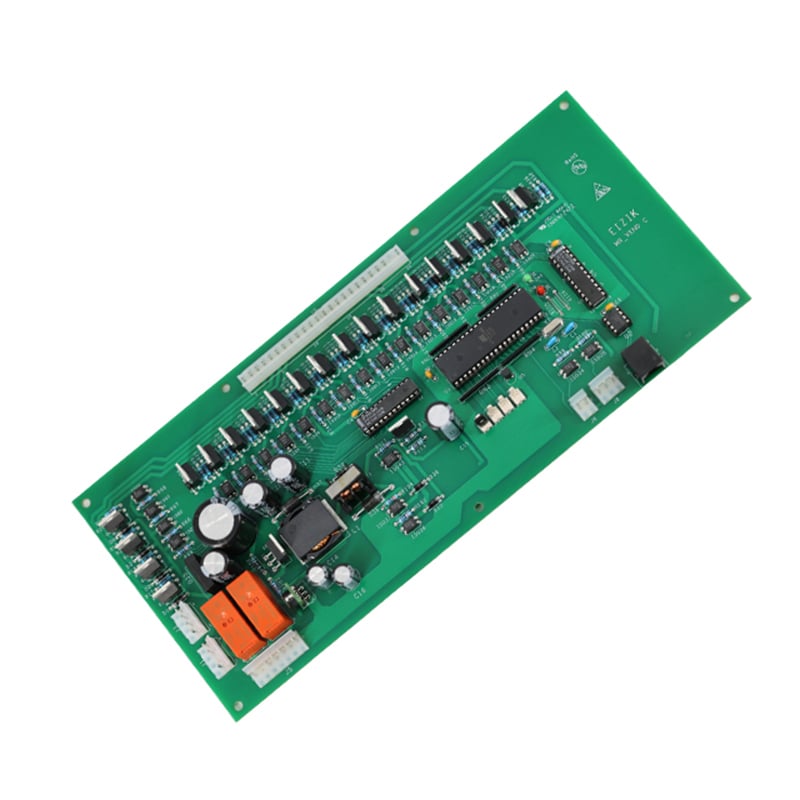
How SMT Improves PCB Space Utilization
Surface Mount Technology (SMT) has become the preferred assembly method for modern electronic products because it allows components to be mounted directly onto the PCB surface without requiring traditional through-hole leads.
Compared with through-hole technology, SMT components occupy less board space and can be placed on both sides of the PCB. This design flexibility allows engineers to create smaller, lighter, and more functional electronic assemblies while maintaining reliable electrical performance.
SMT PCB assembly also works well with advanced PCB technologies such as fine-pitch components, microvias, and high-density interconnect (HDI) designs. These capabilities make SMT suitable for compact applications including consumer electronics, medical devices, IoT products, and industrial control systems.
For manufacturers, higher component density means more functions can be integrated into smaller PCB assemblies while reducing wiring complexity and overall product size.
Supporting Miniature Components and Advanced Package Integration
One of the major advantages of SMT is its ability to support extremely small component packages.
Modern SMT assembly processes can handle miniature passive components such as 0201 packages, as well as advanced semiconductor packages including QFP, BGA, and LGA devices. These packages allow more input/output connections to be integrated into a smaller footprint compared with traditional leaded components.
Smaller components not only save PCB space but also shorten electrical connection paths. Shorter signal paths help reduce unwanted parasitic effects and improve signal performance, especially in high-speed electronic designs.
This capability is especially valuable for products that require compact electronics, such as wearable devices, portable medical equipment, wireless modules, and smart sensors.
Improving Signal Integrity and Electrical Performance
SMT PCB assembly contributes to improved electrical performance by reducing the physical distance between components and circuit connections.
Because SMT components are mounted directly onto the PCB surface, they generally create shorter current paths compared with traditional through-hole components. This helps engineers design circuits with better control over signal routing, impedance, and electromagnetic performance.
For high-speed applications, proper PCB stackup design, controlled impedance routing, and effective power distribution are essential. SMT assembly works together with these PCB design methods to support reliable data transmission for interfaces such as high-speed communication modules and advanced processors.
In addition, compact SMT layouts allow engineers to position decoupling capacitors closer to integrated circuits, helping improve power stability and reduce electrical noise.
SMT Compared with Through-Hole Assembly
SMT and through-hole technology each have their own advantages.
SMT is widely used for high-density electronic products because it supports:
- Smaller component packages
- Automated assembly
- Double-sided PCB placement
- Compact product designs
- Efficient mass production
Through-hole technology still plays an important role in applications requiring strong mechanical connections, such as large connectors, transformers, and components exposed to high mechanical stress.
For many industrial products, a combination of SMT and through-hole assembly provides the best balance between miniaturization, reliability, and mechanical strength.
Design Considerations for Reliable SMT PCB Assembly
High-density SMT designs require careful consideration during PCB development and manufacturing.
Important factors include:
Accurate Component Footprints
Correct footprint design ensures proper component placement and reliable solder joints. Engineers should follow manufacturer datasheets and industry design guidelines when creating PCB layouts.
Proper Pad Design and Spacing
Pad dimensions, component spacing, and solder mask design directly influence soldering quality. Proper design helps reduce risks such as solder bridging, insufficient solder joints, and assembly defects.
Thermal Management
Dense PCB layouts require effective thermal planning. Copper areas, thermal vias, and appropriate component placement help control heat distribution during operation and soldering processes.
By applying Design for Manufacturability (DFM) principles early, manufacturers can improve production consistency and reduce unnecessary rework.
Why Choose Professional SMT PCB Assembly Services?
SMT assembly requires advanced equipment, accurate process control, and experienced engineering support.
A professional PCB assembly partner can provide:
- Component sourcing
- SMT placement
- Solder paste printing
- Reflow soldering
- Automated optical inspection (AOI)
- Functional testing
- Final assembly support
With proper manufacturing processes and quality control, SMT PCB assembly enables companies to develop smaller, faster, and more reliable electronic products.
As electronic devices continue moving toward higher integration and compact designs, SMT technology remains a key solution for efficient PCB manufacturing.
FAQ
What is SMT PCB assembly?
SMT PCB assembly is a manufacturing process where electronic components are mounted directly onto the surface of a printed circuit board using surface mount technology.
Why is SMT preferred for compact electronics?
SMT supports smaller components, higher placement density, and automated manufacturing, making it suitable for products where space efficiency is important.
What components can be used in SMT assembly?
SMT assembly supports a wide range of components, including chip resistors, capacitors, QFP, BGA, LGA, and other surface mount packages.
Is SMT better than through-hole assembly?
SMT is generally better for compact, high-density electronics, while through-hole technology remains useful for components requiring stronger mechanical connections.
What affects SMT PCB assembly quality?
PCB design quality, component selection, soldering processes, inspection methods, and manufacturing experience all influence SMT assembly reliability.
Table of Contents
- How SMT Improves PCB Space Utilization
- Supporting Miniature Components and Advanced Package Integration
- Improving Signal Integrity and Electrical Performance
- SMT Compared with Through-Hole Assembly
- Design Considerations for Reliable SMT PCB Assembly
- Why Choose Professional SMT PCB Assembly Services?
- FAQ