
 EN
EN
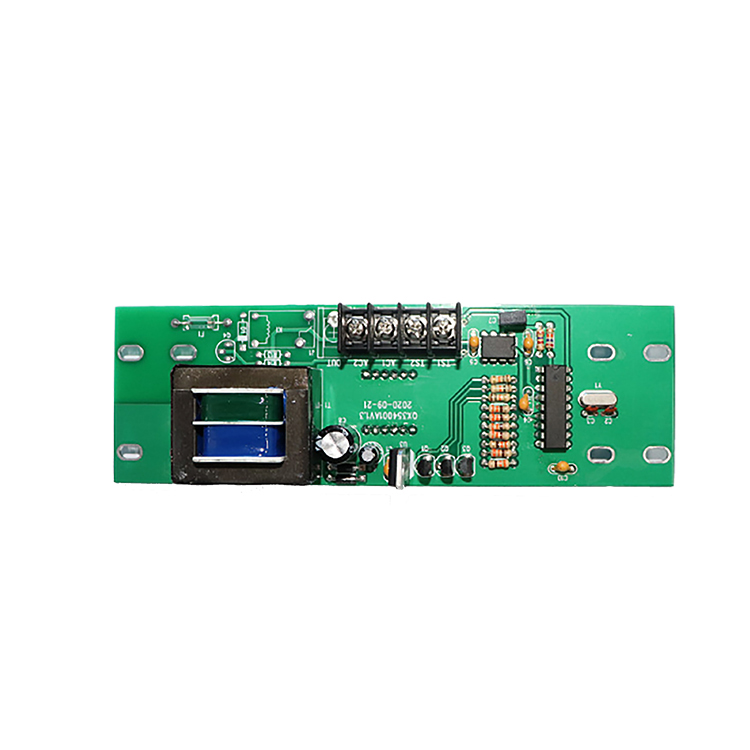
What Is Turnkey PCB Assembly? A Strategic Definition and Core Scope
Turnkey PCB assembly is an end-to-end manufacturing model where a single provider manages the entire production process—from sourcing components and fabricating the bare board to assembly, testing, and final delivery. The term “turnkey” reflects the ready-to-use nature of the delivered product: you simply “turn the key” and integrate the board into your system. This approach transforms the traditional multi-vendor supply chain into a unified, single-point accountability service. The core scope typically includes design for manufacturability (DFM) review, PCB fabrication, component procurement exclusively from authorized distributors, surface-mount and through-hole assembly, and rigorous functional testing. Companies can choose between full turnkey (the provider handles everything) and partial turnkey (the customer supplies some components), but the strategic value lies in consolidating accountability. By eliminating the need to coordinate between fabricators, parts suppliers, and assembly houses, turnkey PCB assembly reduces management overhead and accelerates time-to-market. For OEMs, this model turns a complex, fragmented process into a seamless, predictable workflow.
How Turnkey PCB Assembly Drives Manufacturing Efficiency
Supply Chain Simplification and Single-Point Accountability
Turnkey PCB assembly simplifies the supply chain by consolidating procurement, fabrication, assembly, and testing under a single provider. This eliminates the fragmentation of coordinating multiple vendors—each with their own schedules and priorities—replacing it with one partner assuming full accountability for the entire project. A dedicated project manager oversees every stage, ensuring seamless communication and rapid issue resolution. Because component sourcing is integrated into the workflow, there’s no need for separate negotiations with distributors; instead, the provider leverages established relationships to secure parts at competitive prices and with shorter lead times. This consolidation also simplifies inventory management and reduces counterfeit risk, as the partner verifies authenticity across the supply chain. With a single point of contact, OEMs can focus on core product development rather than vendor coordination—and design changes propagate instantly to all stakeholders, minimizing delays and rework.
Lead Time Compression Through Integrated Workflow Execution
Integrated workflow execution is a key driver of efficiency in turnkey PCB assembly. Because all stages—from design review to final testing—are managed by one team, processes can overlap rather than proceed sequentially. While the fabrication shop prepares the bare boards, the assembly team can begin programming pick-and-place machines and kitting components. There is no waiting for inter-facility shipments, scheduling conflicts, or third-party logistics delays. This parallel processing often shaves weeks off the total production timeline compared to a multi-vendor approach. The project manager can proactively adjust resources to meet tight deadlines, keeping both prototyping and volume production on track. Seamless handoffs reduce idle time and accelerate the entire product launch cycle—helping OEMs hit market windows faster and with greater predictability. Real-time visibility into each phase supports rapid decision-making during disruptions like component shortages, particularly valuable in high-mix, low-volume production where frequent changeovers are necessary.
Proven Benefits of Turnkey PCB Assembly: Cost, Speed, and Quality
Turnkey PCB assembly streamlines the entire production cycle, yielding concrete advantages in time-to-market, cost control, and risk reduction that multi-vendor models cannot match.
Faster Time to Market: Benchmarks from IPC-1752A and ECIA 2023 Data
Integrated turnkey assembly compresses lead times by eliminating handoffs between design, procurement, and fabrication. According to ECIA 2023 data, projects managed through a single provider reach production readiness 20–30% faster than those using fragmented supply chains. The IPC‑1752A standard further accelerates this by digitizing material declarations, cutting data exchange delays by an average of 40%. When design, component sourcing, and assembly are executed under one roof, engineering changes propagate instantly, and procurement bottlenecks are avoided—bringing new products to market weeks earlier, a critical advantage in fast-moving sectors like consumer electronics and medical devices.
Risk Mitigation: Counterfeit Parts, Vendor Errors, and Material Shortages
A turnkey partner mitigates supply chain risks through centralized quality control and established distribution networks. The model reduces counterfeit part risk by over 50% because all components are sourced from authorized distributors with full traceability. Vendor errors—such as missed shipments, incompatible parts, or documentation gaps—are virtually eliminated when a single team manages the entire process. During material shortages, turnkey providers leverage aggregate purchasing power and buffer stocks to maintain production continuity, whereas multi-vendor OEMs often face costly line-downs. This consolidated accountability ensures that every PCB meets spec the first time, protecting both product integrity and launch schedules.
Engineering Integration: The Hidden Efficiency Lever in Turnkey PCB Assembly
DFM-Driven Design Validation and Rapid Component Substitution
In turnkey PCB assembly, design-for-manufacturing (DFM) analysis begins long before the first solder paste is applied. The manufacturing partner’s engineering team reviews the layout for footprint mismatches, thermal relief, and SMT component spacing—catching issues that would otherwise trigger costly re-spins. When a bill of materials reveals a component with a 26-week lead time or a pending end-of-life notice, the integrated team can instantly qualify a pin-compatible alternative, re-run signal integrity checks, and update documentation—all without stalling the production schedule. This parallel engineering approach eliminates the week-long feedback loops common in disjointed supply chains, turning a potential bottleneck into a seamless design-to-production handoff.
Rework Reduction and First-Pass Yield Improvement (Up to 37%)
A 2023 industry analysis of IPC‑7095‑compliant processes shows that turnkey providers who embed DFM feedback into the pre-production flow achieve a 37% average reduction in rework and a corresponding jump in first-pass yield. The cause is straightforward: when a design is validated against the factory’s actual equipment capabilities—such as minimum aperture sizes for stencil printing and oven profile tolerances—solder bridges, tombstoning, and cold joints plummet. Less rework means fewer manual touch-ups, lower scrap rates, and a final inspection cycle that moves at the speed of the line—not the speed of troubleshooting.
FAQ
What is the difference between full turnkey and partial turnkey PCB assembly?
Full turnkey PCB assembly means the provider handles the entire process, from sourcing components to testing. Partial turnkey allows the customer to supply selected components, while the partner manages the remaining workflow.
How does turnkey PCB assembly reduce time-to-market?
By consolidating all stages under one provider, turnkey assembly enables parallel processing, minimizes handoffs, and eliminates delays caused by inter-vendor coordination.
Can turnkey PCB assembly mitigate supply chain risks?
Yes, it reduces risks such as counterfeit parts, vendor errors, and material shortages by centralizing quality control under one accountable provider.
What is DFM, and how does it enhance turnkey PCB assembly efficiency?
Design-for-manufacturing (DFM) validates designs against factory capabilities to prevent production issues like solder bridges and tombstoning, reducing rework and improving first-pass yield.