Ei ole liioittelua sanoa, että yksinkertainen sähkömoottori on nykypäivän maailman perusta. Sähkömoottorit muuttavat sähköenergian – joka saadaan johtojen ja akkujen kautta – voimakkaaksi ja tarkaksi mekaaniseksi liikkeeksi, olipa kyse sitten pienistä seuraajista kannettavassa tietokoneessasi tai kokonaisten sähköautojen ja -kuorma-autojen siirtämisestä. Vaikka perinteiset harjalliset tasavirtamoottorit ovat olleet insinöörien työkaluina yli sadan vuoden ajan, uusi vaihtoehto on viime vuosina noussut suosioon vaativissa sovelluksissa, joissa vaaditaan tehokkuutta, pitkää käyttöikää, korkeaa vääntömomenttia ja tarkkaa liikkeen säätöä: tasavirtamoottori ilman harjoja (BLDC-sähkömoottori).
BLDC-nykyaikainen tekniikka on todennäköisesti keskiössä kekseliäitä markkinoita, kuten robotiikkaa, automaatiota, älykkäitä kotitalouslaitteita ja erityisesti dronelaitteita – joissa sen pieni paino, korkea hyötysuhde ja pitkä käyttöikä tarjoavat todellisia teknisiä etuja. Kun vaatimukset hiljaisista, huoltovapaista ja energiatehokkaista sähkömoottoreista kasvavat, BLDC-moottorien toiminnan ymmärtäminen ei ole enää pelkästään tekninen uteliaisuus, vaan välttämätöntä tietoa insinööreille, kehittäjille ja teknologioihin perehtyneille kuluttajille. Kun maailma siirtyy kohti energiatehokkaita sähkömoottoreita kestävyyden ja suorituskyvyn parantamiseksi, BLDC-moottorit ovat nopeasti muodostumassa uudeksi oletusvalinnaksi kaikissa sovelluksissa – kiintolevyistä palveluroboteihin ja sähköautoihin.
Tärkeimmät erot harjallemoottorien ja harjattomien tasavirtamoottorien välillä
|
Kuva |
Suhkutettu DC-moottori |
Brushless DC-moottori (BLDC) |
|
Kommutointimenetelmä |
Mekaaninen (harjat ja kommutaattori) |
Digitaalinen (ESC/ohjain) |
|
Huolto |
Vaatii säännöllisen harjan vaihtamisen |
Lähes huoltovapaa |
|
Tehokkuus |
Alhaisempi (kitka aiheuttaa häviöitä) |
Korkea tehokkuus |
|
Melu |
Korkeampi (harja/kommutaattorin melu) |
Vähentynyt (erittäin vähän sähköistä kohinaa) |
|
Elinikä |
Lyhyempi (harjan kulumisesta johtuen) |
Pitkäikäinen (ei harjoja) |
|
Maksaa |
Alhaisemmat alustavat kustannukset, mutta korkeammat pitkällä aikavälillä |
Korkeammat alustavat kustannukset, mutta alhaisemmat elinkaaren aikaiset kustannukset |
|
Sovellukset |
Lelut ja yksinkertaiset kotikoneet |
Lennokit, robotiikka, sähköautot ja automaatio |
Jokaisen tasavirtaisen ilmanharjaisten sähkömoottorin (BLDC-sähkömoottorin) ytimessä on kaksi periaatetta: sähköenergian tehokas muuttaminen suoraan mekaaniseksi liikkeeksi ja tavallisen mekaanisen kommutaation poistaminen korvaamalla se kehittyneellä elektronisella kommutaatiolla. Tämä suunnittelussa tapahtuva askelmuutos nostaa BLDC-sähkömoottorin tehokkaimpien sähkömoottoreiden eturintamaan.
Tyypillinen sähkömoottori – olipa se vaihtovirtamoottori tai tasavirtamoottori – toimii luomalla pyörivän sähkömagneettisen kentän, joka vuorovaikuttelee toisen sähkömagneettisen kentän kanssa ja saa siiven pyörimään. Tarkat menetelmät, joilla tämä magneettikenttä tuotetaan, muutetaan ja ajastetaan, ovat ratkaisevia eri moottorityyppien toiminnalle.
BLDC-sähkömoottorin kehitys erottaa sen siitä, että se käyttää kestäviä magneetteja siivissä ja sähköisesti aktivoituja statorikelkoja. BLDC-sähkömoottori ei perustu hiilikoskettimiin ja kommutaattoriin mekaaniseen virtauksen kytkentään ja elektromagneettisen kentän suunnan muuttamiseen, vaan hyödyntää antureita ja elektronisia piirejä täsmällisen, kulumaton 'kommutaation' saavuttamiseksi.
BLDC-moottorit ovat siksi:
Käytännössä huoltovapaita moottoreita (ei hiilikoskettimen kulumista).
Tehokkaita sähkömoottoreita (vähimmäis sähköiset tappiot).
Tehokkaita tarkassa nopeuden säädössä ja tarkassa vääntömomentin säädössä.
Yleensä korkea tehotiukkuus pienemmillä mitoilla ja pienemmillä painoilla samalla teholla.
Sähkömoottorit ovat todellisia tehonjakomoottoreita: ne muuntavat sähköenergian suoraan merkittäväksi mekaaniseksi työksi – olipa kyseessä kovalevyn pyöriminen, auton ikkunoiden avaaminen tai teollisuusrobotin käsivarren ohjaaminen. Perinteisesti siistitty tasavirtamoottori oli kaikkialla sen yksinkertaisuuden ja helppokäyttöisyyden vuoksi.
Siistitty tasavirtamoottori koostuu seuraavista osista:
Rotaation käämit: Pyörivä osa, jossa sähkövirta tuottaa omaa magneettikenttäänsä.
Statorin magneetit: Pysyvät magneetit tai joskus käämit, jotka tarjoavat vakion magneettikentän rotaation käämien vuorovaikutukseen.
Harjat ja kommutaattori: Johtavat hiiliköytäharjat säilyttävät liikkuvan kosketuksen kommutaattorin kanssa (osittainen kuparirenkaus, joka on kiinnitetty rotaation käämiin). Kun rotaatio kääntyy, kommutaattori vaihtaa virtasuunnan, jotta moottorin vääntömomentti pysyy jatkuvana ja pyörimissuunta yksisuuntainen.
Puhdistetut sähkömoottorit ovat erittäin helppokäyttöisiä, mutta niiden pääheikkoudet ovat nykyisissä sovelluksissa muodostuneet merkittäviksi rajoituksiksi.
Mekaaninen vaurio: Harjat koskettavat fysikaalisesti kommutaattoria, mikä aiheuttaa kitkaa, lämpöä, sähköistä hälyä ja jatkuvaa kulumista.
Kipinöinti ja sähkömagneettinen häference (EMI): Mekaaninen kommutaatio aiheuttaa usein kipinöintiä; tämä voi tuottaa sähkömagneettista häiriötä (EMI), mikä ei ole ihanteellista herkillä digitaalisilla laitteilla.
Säännöllinen huolto: Harjat kuluvat lopulta, jolloin niiden vaihto on tarpeen ja moottorin käyttöikä lyhenee.
Tyhjäharjainen tasavirtamoottori (BLDC) ratkaisee nämä haasteet täysin elektronisella virtauksen kytkentäjärjestelmällä – poistamalla kaiken suoran kosketuksen vaativan kommutaation, mikä parantaa merkittävästi moottorin luotettavuutta, suorituskykyä ja käyttöikää.
Vertailutaulukko: Harjallisen ja tyhjäharjaisen moottorin ominaisuudet
|
Ominaisuus |
Suhkutettu DC-moottori |
Brushless DC-moottori (BLDC) |
|
Kommutaatio |
Mekaaninen |
Elektroninen (ESC) |
|
Huolto |
Korkea |
Alhainen (huoltovapaa) |
|
Melu/EMI |
Korkea |
Alhainen |
|
Elinikä |
Rajoitettu (harjan kuluminen) |
Pitkä |
|
Tehokkuus |
Kohtalainen |
Korkea |
|
Sovellusmäärittely |
Yksinkertainen ja edullinen |
Korkean tarkkuuden ja tehokkuuden saavuttava |
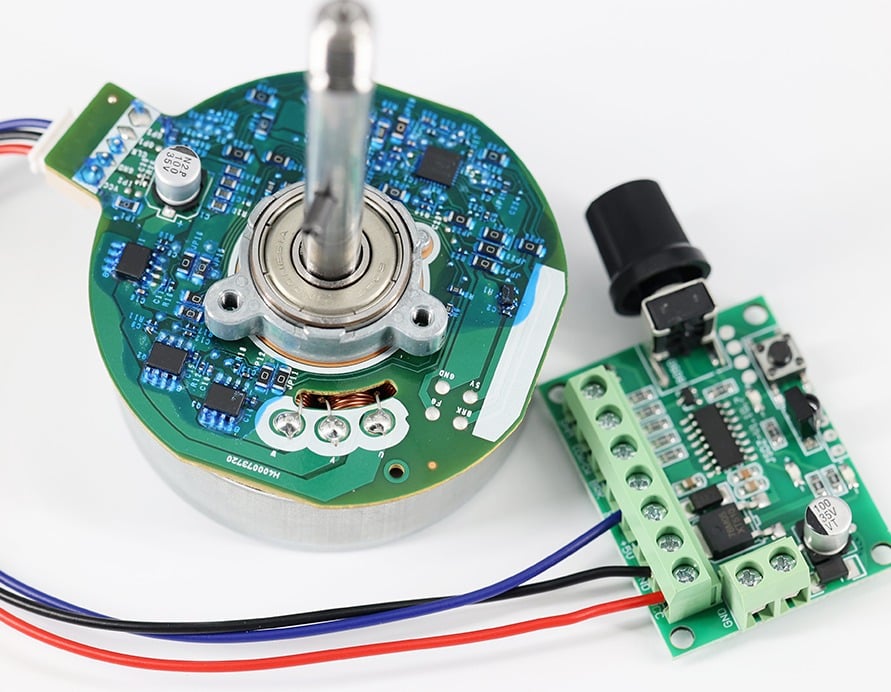
Harjaton tasavirtamoottori on kestomagneettinen sähkömoottori, jossa on pyörivä kestomagneettinen roottori ja kiinteät staattorikäämitykset. Digitaaliset ohjauspiirit vaihtavat virran kulkua eri staattorikäämitysten välillä, mikä luo magneettikentän, joka seuraa roottoria ja saa sen pyörimään.
Yleiskielisesti sanottuna BLDC-moottori on huoltovapaa, nykyaikainen moottoriteknologia, joka tarjoaa korkean vääntömomentin, erinomaisen hyötysuhteen ja tarkan moottorin ohjauksen – ilman perinteisten harjallisten tasavirtamoottorien aiheuttamaa kipinöintiä, kitkaa tai kulumista.
Yleisimmät BLDC-sähkömoottorit koostuvat seuraavista osista:
Staattori: Sisältää ei-pyörivät kuparikäämitykset. Staattorikäämitykset ovat yleensä kolmivaiheiset.
Roottori: Sisältää kiinteitä kestomagneetteja ja pyörii staattorin vaihtuvien sähkömagneettisten kenttien vaikutuksesta.
Sähköinen sähkömoottorin ohjain (ESC): Aikaa olemassa olevan moottorin statorin käämien virtauksen optimaalisen vääntömomentin ja hyötysuhteen saavuttamiseksi.
Sisäpyörivät moottorit: Siivet sisällä, yleisiä seuraajissa, pumppuissa ja porakoneissa.
Ulkopyörivät moottorit: Siivet ulkopuolella, yleisiä dronemoottoreissa ja RC-sähkömoottoreissa korkeamman vääntömomentin saavuttamiseksi.
Kehyksetön/suorakäyttöinen: Tiukka rakennus robotti- tai suorakäyttösovelluksiin.
BLDC-moottorin rakenne verrattuna harjakäyttöiseen rakenteeseen
|
Komponentti |
Suhkutettu DC-moottori |
BLDC-moottori |
|
Vähävirtaus |
Käämitykset |
Pysyvät magneetit |
|
Statorit |
Pysyvät magneetit |
Käämien kääminnät |
|
Kommutaatio |
Mekaaninen |
Elektroninen (ESC-ohjain) |
|
Kestävyys |
Alempi |
Korkeampi (ei harjoja) |
BLDC-moottorin toimintaperiaate perustuu magneettikenttien muodostumiseen, vaikutukseen ja ajoitukseen liikkeen aikaansaamiseksi, jota säädellään tarkalla elektronisella kommutaatiolla.
Monivaiheiset statorikäämitykset (yleensä kolmivaiheiset) herätetään tiettyyn järjestykseen.
Digitaaliset piirit kytkentävät (kommutoidaan) virtaa käämitysten läpi, mikä aiheuttaa magneettikentän, joka pyörii moottorin sisällä.
Rotorin pysyvät magnettit vetäytyvät vaihtuvan sähkömagneettisen kentän suuntaan, mikä saa niitä seuraamaan kentän sijaintia – ja pyörivät.
Erilaisesti harjallisten moottorien tapauksessa BLDC-moottorit vaativat takaisinkytkentää rottorin tarkan sijainnin määrittämiseksi.
Hall-ilmiöön perustuvat anturit: Ne sijaitsevat moottorin sisällä ja havaitsevat rottorin magnettien sijainnin sekä lähettävät reaaliaikaisia signaaleja ohjaimelle.
Sensoriton säätö: Jotkin mallit arvioivat siiven asentoa tarkistamalla jännitepalautetta käämityksistä (takaisinvaikutteisen sähkömotorisen voiman, eli Back EMF:n, tunnistaminen).
Tyhjäkäymättömän sähkömoottorin ohjain (ESC) käyttää tätä tietoa aktivoimaan sopivat staattorikäämit täsmälleen oikeaan aikaan, mikä varmistaa moottorin tasaisen ja tehokkaan pyörimisen sekä moottorin vääntömomentin.
Tyhjäkäymätön sähkömoottori (BLDC-moottori) ei voi toimia suoraan yksinkertaisesta akusta tai tasajännitelähteestä. Siihen tarvitaan ohjain – niin sanottu elektroninen nopeuden säädin (ESC) – joka hoitaa logiikan ja korkean nopeuden kytkennän, joka muuten hoitaisiin perinteisessä sähkömoottorissa harjoilla ja kommutaattorilla.
ESC seuraa haluttuja syötesignaaleja (esimerkiksi radio-ohjaimesta, automaatiojärjestelmästä tai upotetusta tietokoneesta).
Se käyttää puolijohdepainikkeita (MOSFET-teknologiaa/IGBT-teknologiaa) yhdistääkseen sähkömoottorin käämit nopeasti peräkkäin, mikä muistuttaa kolmivaiheista ilmastointilaitteen virtaa, joka käyttää tasavirtasyöttöä.
Kommutointiaika: Aktivoi käämit tarkalleen oikeassa roottorin siiven kulmassa maksimaalisen vääntömomentin ja suorituskyvyn saavuttamiseksi.
Nopeuden ja vääntömomentin säätö: Käyttää PWM-säätöä vaihtelemaan nopeutta reaaliajassa vastauksena muuttuviin kuormitustilanteisiin.
Virhesuojaus: Näyttää jännitteen, virran ja lämpötilan moottorin suojaamiseksi ylikuumenemiselta, liialliselta virralta ja oikosuluilta.
Huomautukset yhdistelmästä: Toimii Hall-antureiden tai takaiskujännitteen kanssa.
Tyhjäkäyntimoottorit (BLDC-moottorit) ovat kasvaneet voimakkaasti, koska ne ylittävät tavalliset tasavirtamoottorit ja kilpailevat vaihtovirtamoottorien kanssa monissa teknisissä sovelluksissa. Tarkastellaan niiden suurimpia vahvuuksia ja tasapainottamiseksi myös niiden heikkoja kohtia.
|
Etu |
KUVAUS |
Käytännön hyöty |
|
Korkea tehokkuus |
Vähäinen energiahäviö lämpönä. Ei harjan kitkaa. Sähköenergian suora muuttuminen mekaaniseksi energiaksi |
Alhaisemmat sähkökustannukset, pidempi akun kesto |
|
Korkea vääntömomentti ja tehontiheys |
BLDC-moottori tuottaa korkean vääntömomentin suhteessa painoonsa, mikä tekee siitä optimaalisen ratkaisun silloin, kun jokainen gramma on tärkeä (esim. dronit, sähköautot). |
Tiukka ja kevyt rakenne. |
|
Pitkä käyttöikä |
Ei fyysistä harjakosketusta; vähäisempi kulumisvaara |
Vähäisempi huolto/toimenpide |
|
Vähentynyt melu ja sähkömagneettinen häference |
Ei mekaanista kommutaatiota, todella vähän ärsykettä ja vähentynyt sähkömagneettinen häference |
Kellertävä kotiin/toimistoon, turvallinen elektroniikkalaitteiden läheisyydessä |
|
Erinomainen hallintakyky |
Tarkka nopeuden, vääntömomentin ja suunnan säätö kehittyneiden sähköisten ohjainten (ESC) avulla. |
Tarkka robotiikka; joustava automaatio |
|
Korkea luotettavuus |
Ei hiukkasia, jotka kulumaisivat tai vaikuttavat tasaisuuteen. |
Ideaali kriittisiin järjestelmiin |
|
Lämpöteho |
Lämmön tuotto tapahtuu paikoillaan olevassa osassa—staatorissa—mikä tekee siitä helpommin jäähdytettävän levyllä/lämmönpoistimella. |
Jatkuvaa korkean tehon tuotantokykyä |
Tarkka hinta-, vääntömomentti- ja ohjeiden säätö innovatiivisten sähköisten ohjainten (ESC) avulla. Tarkka robotiikka; monikäyttöinen automaatio.
Korkea luotettavuus Ei harjoja, jotka kulumaisivat tai vaikuttaisivat tasaisuuteen. Ideaalinen tehtäväkritiisisiin järjestelmiin.
Lämmönhallinta Lämpö tuotetaan kiinteässä osassa – statorissa – mikä tekee jäähdytysripojen/lämmönvaihtimen käytöstä helpompaa. Jatkuvaa korkean tehon tuottamiskykyä.
Teollisuus- ja käytännön sovellukset BLDC-moottoreille.
BLDC-sähkömoottorit – joilla on ylittämätön yhdistelmä sähkömoottorien tehokkuutta, tarkkaa säätöä ja pitkää käyttöikää – ovat muodostuneet nykyaikaisen teollisuuden, kuluttajateknologian ja kehittyvien alueiden perustaksi. Tässä esitetään, miten BLDC-moottorit muuttavat ratkaisevasti keskeisiä aloja.
Kotitalouslaiteet.
Puhdistustyökalut, ilmastointilaitteet, imuri: BLDC-sähkömoottorit tarjoavat hiljaisen, luotettavan ja energiatehokkaan toiminnan. Muuttuva nopeus (ESC:n avulla) parantaa suorituskykyä ja vähentää sähkönkulutusta ajan myötä.
Jäähdytyspuhaltimet: Pidempi käyttöikä ilman harjojen kulumista tarkoittaa, että BLDC-sähkömoottorit voivat käyttää palvelintilojen jäähdytyspuhaltimia ja älykkäitä ilmastointilaitteita vuosikausia.
Sähköinen sopeutuvuus ja autoteollisuus.
Sähköautot (EV:t), sähköpyöräilykoneet, potkulautat, golfkärryt: Korkea vääntömomentti, tehokkuus ja meluton toiminta ovat välttämättömiä akkukäyttöisille ajoneuvoille. Moottorin ohjainlaitteet (ESC) mahdollistavat edistyneitä ominaisuuksia, kuten sähköisen jarrutuksen, vääntömomentin jakamisen ja ohjattavan ohjauksen.
Autoteollisuuden helppokäyttöiset ratkaisut: Sähköiset ikkunankäyttömoottorit, istuinten säätö, jäähdytys- ja lämmityspuhaltimet – hiljainen ja huoltovapaa toiminta on tässä keskiössä.
Robotiikka ja automaatio.
Teollisuusrobotit, CNC-koneet, automatisoitu tuotepakkaus, robotiikkakäsivarret: BLDC-moottoreiden hinta ja ohjausjärjestelmän asennus varmistavat tarkan ja toistettavan liikkeen. Niiden pitkä käyttöikä parantaa luotettavuutta ja vähentää käytöstä poikkeamia.
Palvelurobotiikka ja älykäs kotiteknologia: Robottipuhdistimesta turvadronneihin – kun kuluttajat vaativat "toimivaa joka päivä, ilman päänsärkyä", BLDC-moottorit täyttävät vaatimukset.
Tietojen tallennus ja toimistoteknologia.
Kiintolevyasemat (HDD:t) ja nauhakäyttöjärjestelmät: BLDC-sähkömoottorit tarjoavat erinomaisen tasaisen, vähävärinäisen pyörähtämisen – mikä on välttämätöntä tarkan tiedon lukemiseen ja kirjoittamiseen.
Ilmailu, lennokit ja UAV:t.
Lennokit/UAV:t (lentävät ohjautumattomat ajoneuvot): Jokainen lentoaikaan käytetty sekunti ja jokainen gramma merkitsevät. BLDC-sähkömoottorit mahdollistavat nopean ja tarkan säädön, mikä takaa vakauden, liikkuvuuden ja pitkän toiminta-ajan. (Katso kohta 9 täydellisempiin lennokkikohtaisiin tietoihin.)
Teollisuuden valmistajien esille nostot: Esimerkkikäytännöt.
SovellusBLDC-sähkömoottorin rooliAvaintuotteet.
Fanuc RoboticsMoniakselinen käsivarren ohjausTarkkuus ja vakaus.
Tesla Model 3Ilmastointi, jäähdytyspumput ja sähköikkunatTehokkuus ja kestävyys.
DJI-lennokitPropulsio/ohjausPitkä lentomatka ja liikkuvuus.
Western Digital HDDPyörivä akseli, vähentynyt värinäHiljainen ja virheetön toiminta.
Yksinkertainen selitys siitä, miten brushless-lennokkimoottorit toimivat.
UAV-lentokoneiden voimanlähteen ydin.
Tyhjäkäyntivapaat tasavirtamoottorit ovat todella tulleet de facto -vaatimukseksi nykyaikaisille dronelle ja moniroottorisille UAV:lle. Näissä sovelluksissa on välttämätöntä käyttää kevyitä, korkean tehotiukkuuden sähkömoottoreita, joilla on hetkellinen reaktio ja tarkka nopeuden säätö.
Dronen tyhjäkäyntivapaa moottorin rakenne.
Staattori: Paikallaan pysyvä osa, jossa on suurivirtaisia sähkömagneettisia käämiä, jotka on asennettu maksimoimaan magneettivuota ja mahdollistamaan nopea muutos.
Roteri: Kevyt ja kestävä magnetti – usein 'ulkokäyttöinen' (outrunner) tyyppi, joka tuottaa enemmän vääntömomenttia mahdollisimman alhaisilla kustannuksilla; se pyörittää suoraan potkureita.
Digitaalinen moottorin ohjauslaite (ESC): Toisin kuin mekaaninen kommutaattori, ESC ohjaa moottorin käämien virtauksen verkossa reaaliajassa roterin sijainnin perusteella.
Kuinka dronen tyhjäkäyntivapaa sähkömoottori toimii?
ESC saa ohjauskäskyt (lentokontrollerilta).
ESC vaihtaa nopeasti virtaa kolmen staattorivaiheen välillä, mikä luo pyörivän sähkömagneettisen kentän.
Rotorin korjaamattomat magneetit 'seuraavat' muuttuvaa aluetta, mikä pyörittää potkuria.
Rotorin asemakommentit (Hall-ilmiön tunnusyksiköistä tai takaisinindusoituneesta jännitteestä) pitävät vaiheet täydellisesti synkronoituina.
Pyörivän kentän taajuuden muuttaminen (muuttamalla signaaleja ohjainlaitteeseen ESC) mahdollistaa nopean nopeuden ja voiman säädön, mikä tarjoaa tarkan lentohallinnan.
Tekniikan edut dronelle.
Korkea teho-painosuhde: kevyempiä sähkömoottoreita suuremman hyötykuorman tai pidemmän akun käyttöiän saavuttamiseksi.
Sileä ja reaktiivinen hallinta: ohjainlaitteen ESC avulla säädettävä nopeus, voimakas liukuminen ja tarkka käsittely – myös tuulisessa säässä.
Pitkä käyttöikä: ei harjoja, joten mekaanista kulumista ei esiinny – tärkeää teollisuus-UAV-toimenpiteille.
Hiljainen ja vähän sähkömagneettista häiriötä aiheuttava: voidaan käyttää lähellä herkkiä elektronisia laitteita ja digitaalisia kameria; soveltuu eläinten tutkimukseen, ilmakuvaukseen tai sisälentoon.
Vähemmän huoltoa vaativa: välttämätöntä kenttäkäytössä tai vaikeapääsyisissä paikoissa käytettäville droneille.
Käytännöllisiä esimerkkejä dronejen käytöstä ja tilastotiedot.
Drone-tyyppiBLDC-sähkömoottorin hyödytEsimerkki.
TutkimusdronejaPitkät matkat, säännöllinen kierrosluku, vakausTarkka maatalous.
KilpailudronejaRäikästä kierrosluvun muutosta, ideaalinen vääntömomenttiFPV-autokilpailujen kilpailijat.
KuvausdronejaSileä tehonotto, hiljainen toimintaElokuvien tekeminen, TELEVISIO.
ToimitusdronejaTehon ja painon suhde, luotettavuus, alhaisempi lämpökuormaPostipaketti/logistiikka.
Usein kysytyt kysymykset.
Mikä on brushless DC-sähkömoottori (BLDC-sähkömoottori)?
Brushless DC-sähkömoottori (BLDC-moottori) on sähkömoottori, jossa käytetään pysyväismagneettista roottoria ja statorin käämiä sekä digitaalista kommutaatiota (ei fyysisiä harjoja) virran vaihtamiseen. BLDC-sähkömoottorit tarjoavat korkeaa suorituskykyä, luotettavuutta ja tarkkaa nopeuden ja vääntömomentin säätöä, mikä tekee niistä soveltuvia monille edistyneille sovelluksille, kuten robotiikalle, droneille, teollisuusautomaatiolle ja paljon muulle.
Kuinka brushless DC-sähkömoottori toimii?
BLDC-sähkömoottorissa statorin käämit aktivoituvat tiukasti ajoitetussa järjestyksessä, jolloin syntyy pyörivä magneettikenttä. Pysyväismagneettiset roottorilevyt seuraavat tätä kenttää ja pyörittävät moottorin akselia. BLDC-moottorissa ei käytetä mekaanisia harjoja ja kommutaattoria, vaan BLDC-moottorin ohjain (ESC) määrittää roottorilevyjen sijainnin anturijärjestelmien tai takaisinindusoituneen jännitteen (back-EMF) avulla ja vaihtaa digitaalisesti käämien virtasuuntaa – mikä mahdollistaa tasaisemman pyörimisen, vähäisemmän sähköisen hälytyksen ja pidemmän käyttöiän.
Miksi BLDC-moottoreita tarvitaan ESC (elektroninen nopeusohjain)?
BLDC-sähkömoottorit vaativat digitaalisen nopeusohjaimen, koska ilman harjoja ei ole mekaanista kytkintä, joka vaihtaisi virtaa käämien läpi ja pitäisi moottorin pyörimässä. ESC tunnistaa roottorilevyjen sijainnin, ohjaa virtaa oikeaan käämivyöhykkeeseen täsmälleen oikeaan aikaan ja tarjoaa älykkään nopeuden säädön, momentin säädön sekä virheiden eston.
Kuinka nopeutta ja momenttia säädellään BLDC-moottorissa?
Nopeutta ja vääntömomenttia säädetään ESC:n avulla, joka käyttää PWM:ta (pulssileveysmodulaatiota) säätääkseen jännitettä ja virtaa statorin keloille. Erinomaisen asennuksen tai toiminnan ohjauksen varmistamiseksi ESC arvioi signaaleja hall-antureilta tai takaisinindusoituneen jännitteen (back-EMF) tunnistuksesta ja voi suorittaa suljetun silmukan laskutoimituksia, mikä tekee BLDC-moottoreista erinomaisia robotiikkaan ja CNC-laitteisiin.
Miten BLDC-moottorit eroavat askelmoottoreista ja induktiomootoreista?
Askelmoottorit: Tarjoavat tarkkaa portaitaista liikettä, mutta ovat vähemmän luotettavia ja heikompia nopeuden ja vääntömomentin suhteen verrattuna BLDC-moottoreihin. Niitä käytetään yleensä avoimen silmukan paikannusohjaukseen eikä vakionopeus- tai vakiovääntötilanteisiin.
Induktiomoottorit (vaihtovirtamoottorit): Erittäin kestäviä ja kustannustehokkaita, mutta suurempia, raskaampia ja huomattavasti tehottomampia muuttuvilla nopeuksilla kuin BLDC-moottorit; vaativat monimutkaisia ohjaimia tarkkuuden saavuttamiseksi.
 Uutiset
2026-09-07
2026-09-04
2026-09-03
2026-09-01
2026-08-31
2026-08-27
2026-08-26
2026-08-24
 EN
EN