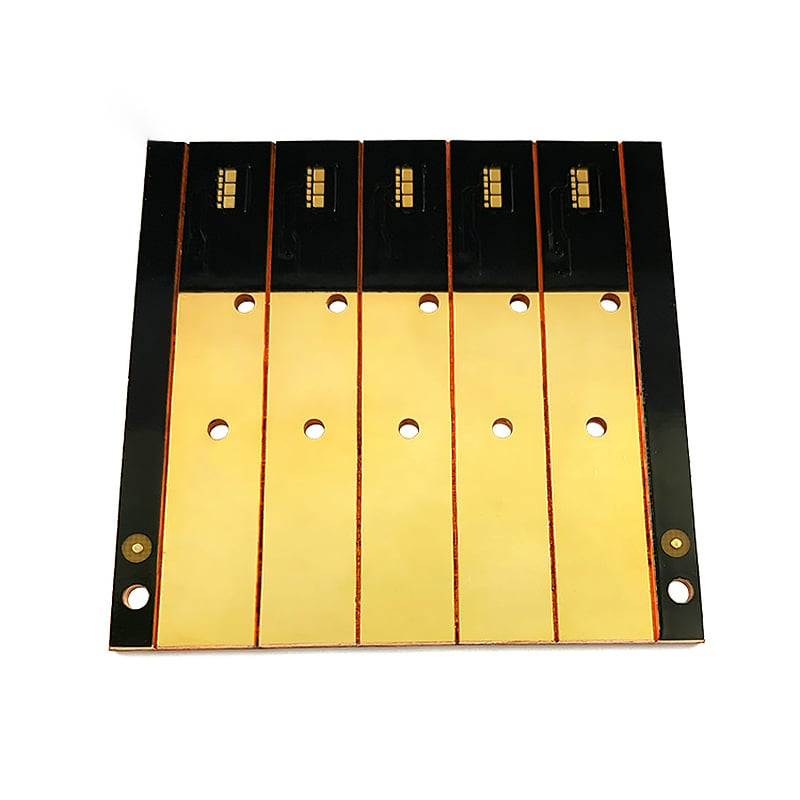
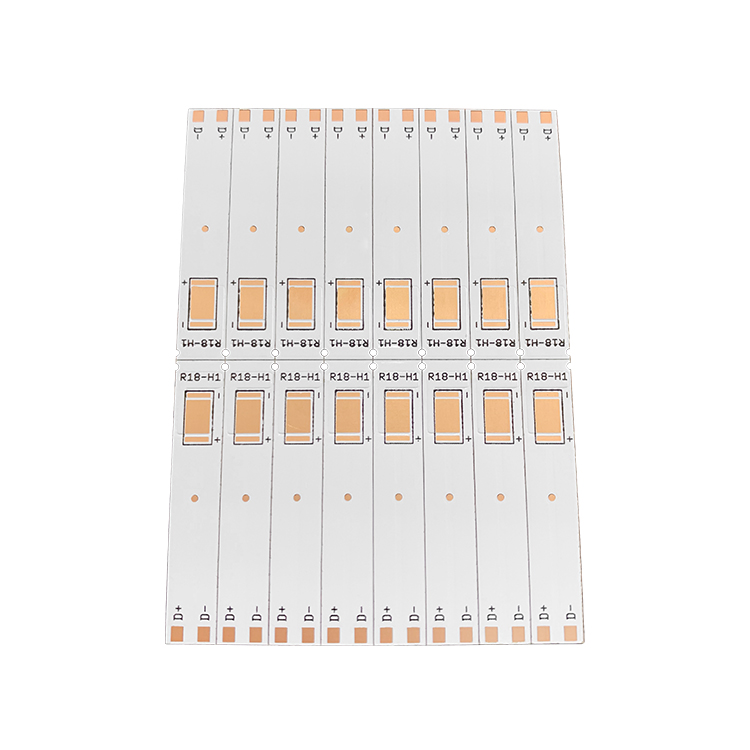
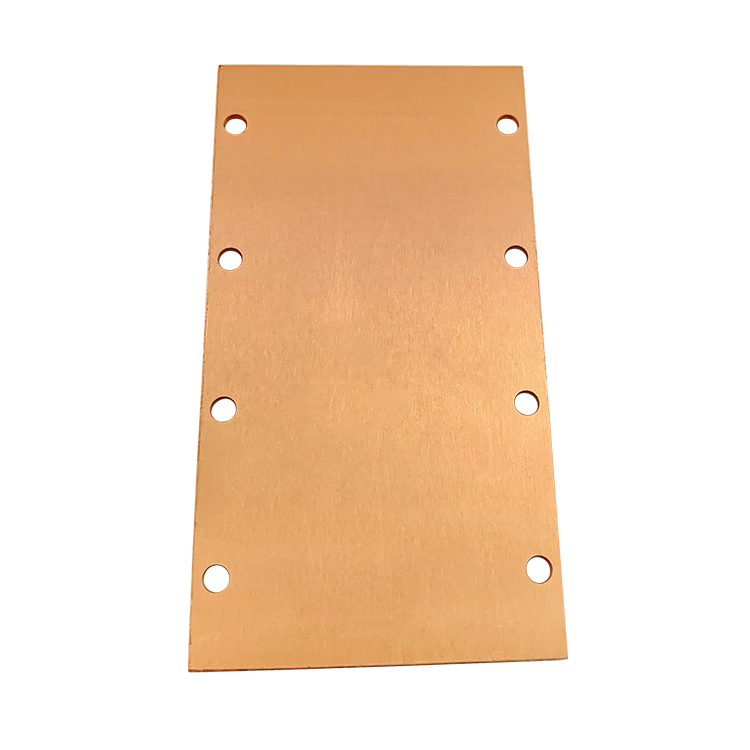
fr4 pcb sheet

All Categories
fr4 pcb sheet

fr4 pcb sheet

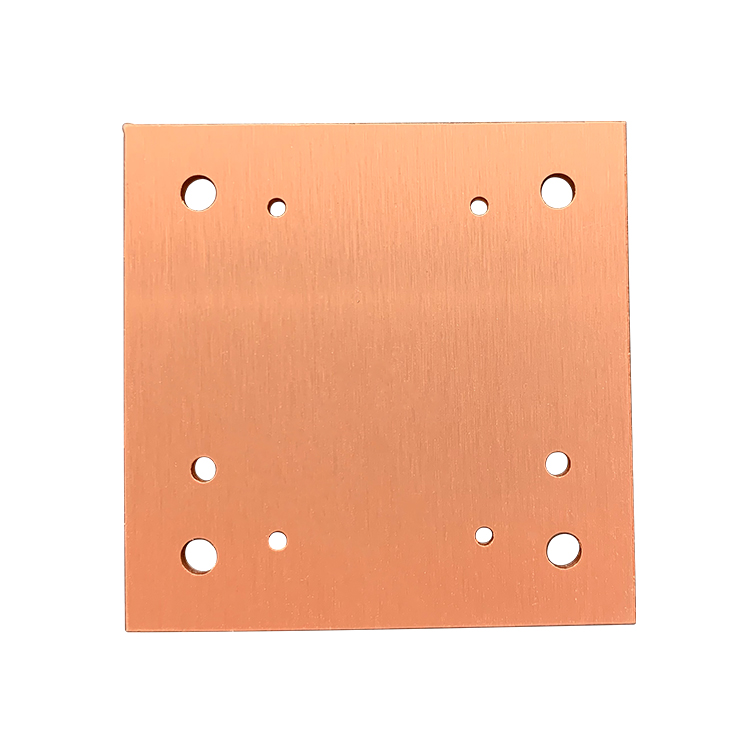
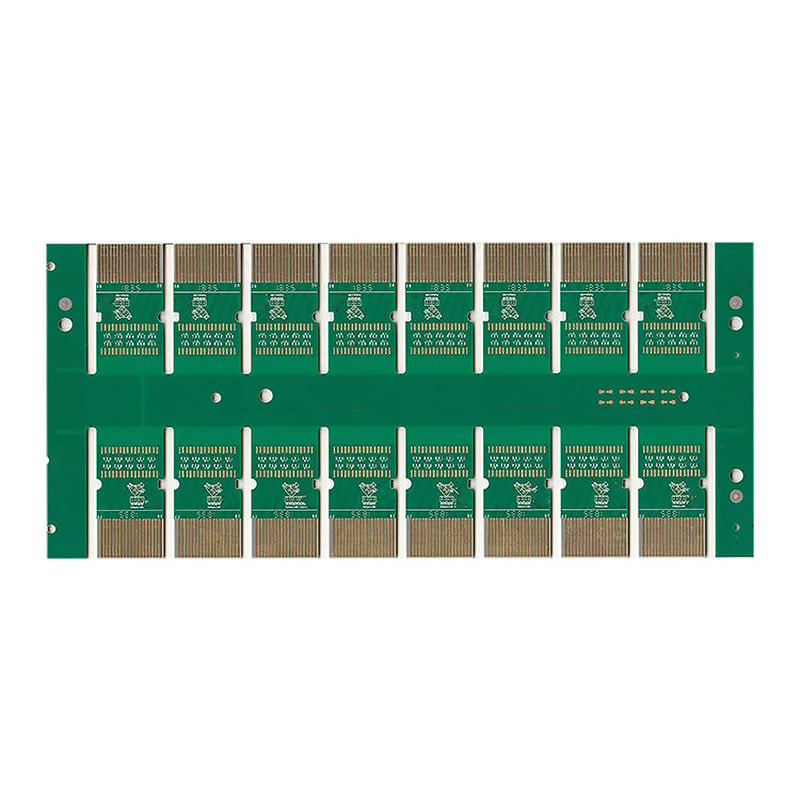
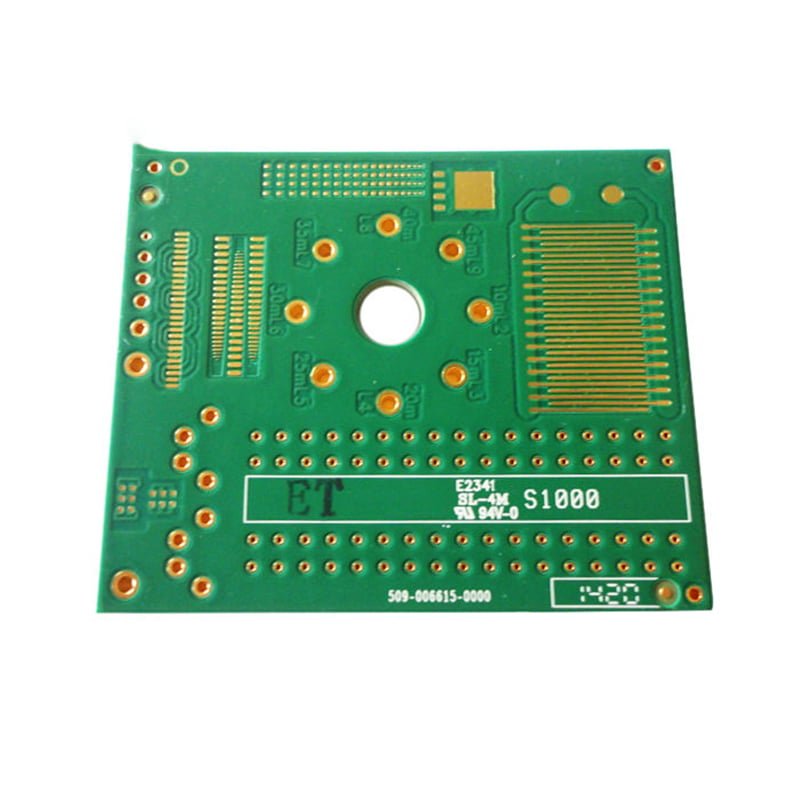
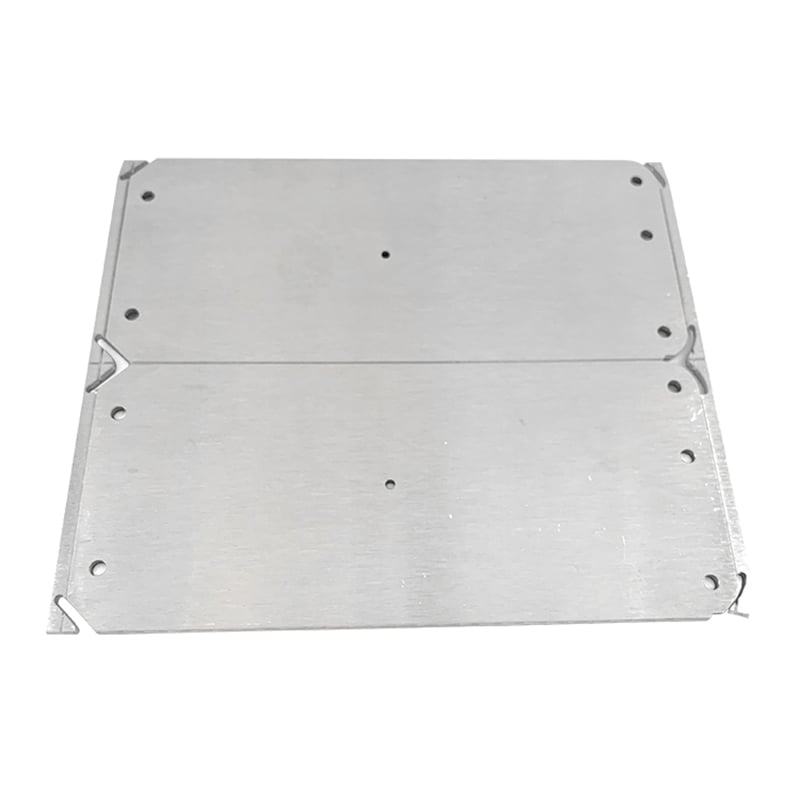
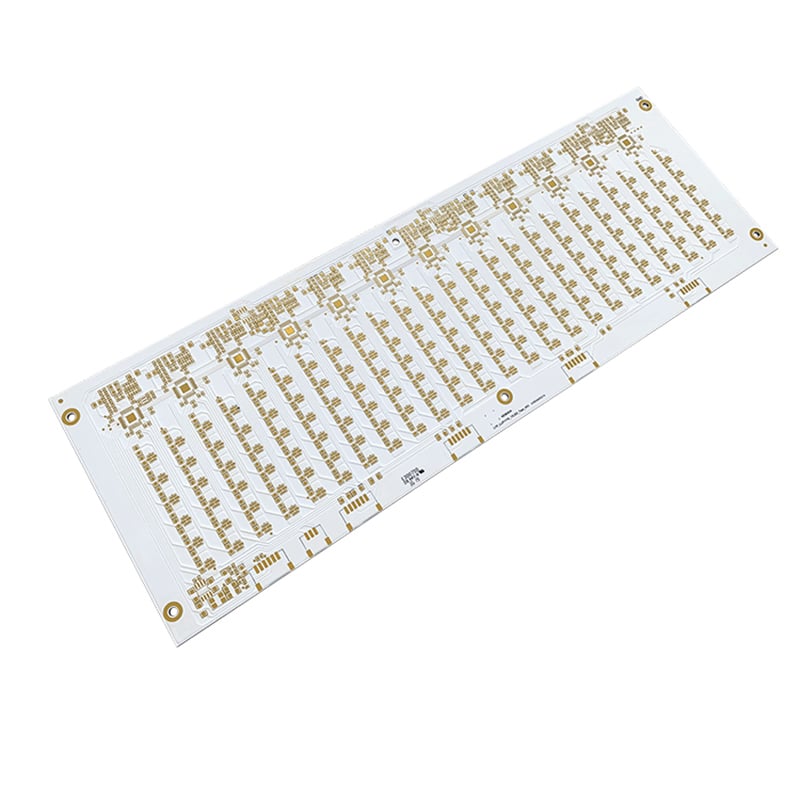
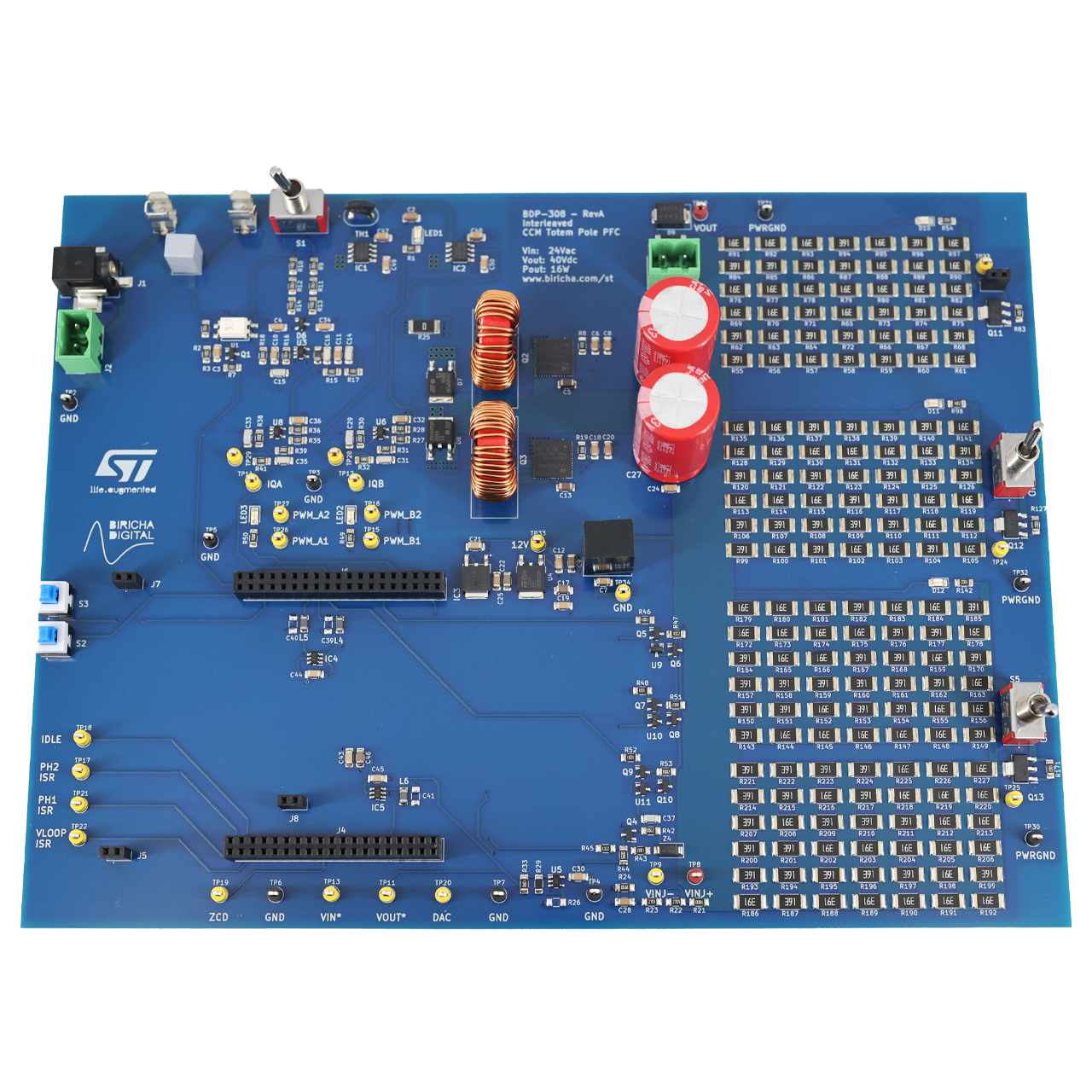
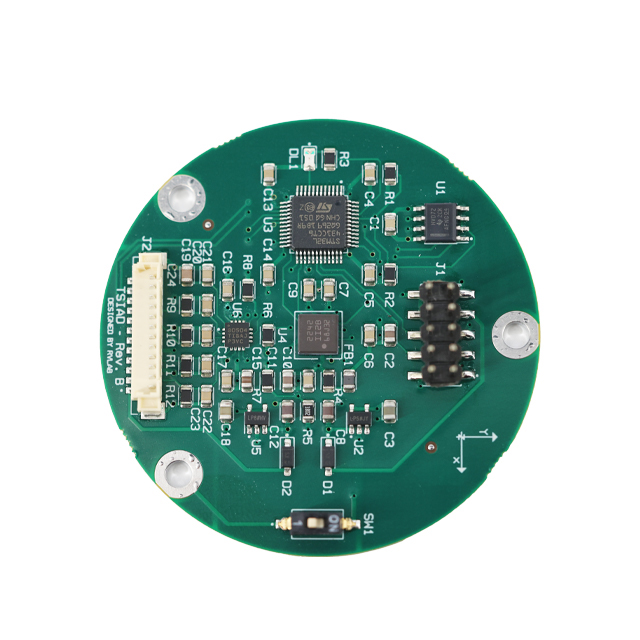
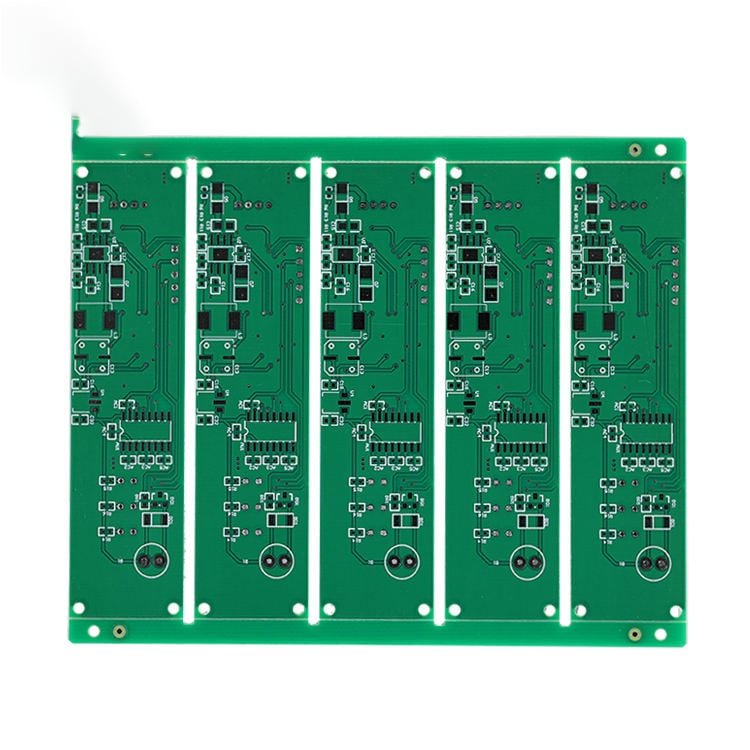
The FR4 PCB sheet essentially a fiberglass reinforced with epoxy resin laminate of superior quality and is the material of choice for producing printed circuit boards that are reliable, and durable. It has great qualities of mechanical strength, thermal resistance, and electrical insulation, which are necessary attributes for a versatile electronic application. The FR4 PCB sheets are such that the dielectric properties hardly change under different conditions, very little moisture gets absorbed, and they have a high level of flame retardance, all these going to maintain the safety and security of the circuits reliably. These sheets can be found in different thicknesses and sizes thus making them very versatile in application from the small-scale PCB prototype, to a custom PCB fabrication, and to a mass production line.
Get A Quote

Product introduction

Product Advantage

Excellent​‍​‌‍​‍‌​‍​‌‍​‍‌ Mechanical Strength and Structural Stability

Besides excellent mechanical strength and rigidity, FR4 PCB has been recognized extensively. The fiberglass reinforced epoxy laminate structure exhibits great resistance to bending, vibration, and mechanical stress during assembly and operation. The stability here determines a reliable component mounting and less risk of cracking or warping even with multilayer or high-density PCB designs. Therefore, FR4 PCBs are very compatible with industrial electronics, automotive control systems, and long-term use electronic devices.

Reliable Electrical Insulation Performance

High electrical insulation is one of the main benefits of FR4 PCB besides being cheap. The material provides high dielectric strength and stable electrical characteristics over the entire frequency range. Due to it, FR4 PCBs can keep the signal integrity, reduce electrical leakage, and avoid short circuits under normal operating conditions. Such dependable insulation performance makes PR4 PCBs a highly reliable choice for power supplies, communication equipment, and general electronic assemblies.

Strong Thermal Resistance for Standard Applications

FR4 PCB materials offer a moderate level of thermal resistance and can endure the heat of standard soldering and reflow processes. With an unchanging glass transition temperature, FR4 PCBs retain their shape during SMT and through-hole assembly. This thermal reliability goes hand in hand with a smooth manufacturing process and less chance of delamination or material degradation, thus FR4 PCBs are suitable for most commercial and industrial electronic applications.

Cost-Effective and Highly Versatile Material Choice

FR4 PCB is probably the cheapest and most versatile PCB substrate material available in the market. It allows single-layer, double-layer, and multilayer board designs and at the same time remains compatible with a wide range of manufacturing processes. It gives designers and manufacturers an opportunity to make the best out performance, reliability, and cost-efficiency. FR4 PCB, having its wide applicability and mature supply chain, is still the first choice for massive production and various electronic ​‍​‌‍​‍‌​‍​‌‍​‍‌products.

What​‍​‌‍​‍‌​‍​‌‍​‍‌ Makes FR4 PCB the Preferred Circuit Board Material?

FR4 PCB has been a major player in the PCB industry for decades. Besides its name recognition, the composite material is renowned for its superior product characteristics and cost advantages, which makes it the go-to choice for product developers and PCB manufacturers.

FR4 PCB: The Principal Material of the PCB Industry

FR4 PCB is a laminated sheet made of flame-retardant fiberglass cloth impregnated with an epoxy resin; this has become perhaps the most popular material in the production of printed circuit boards (PCBs).

FR4 PCBs are well-known for their many properties such as:

  • excellent safety performance due to its being flame retardant;
  • strong electrical insulation;
  • high mechanical rigidity; and
  • stable physical properties over a wide temperature range.

It is no wonder that nowadays you cannot go far in any industry without running into electronic devices that utilize FR4 PCBs.

The Importance of Reliability in FR4 PCB

Reliability is among the key differentiators that make FR4 PCB a base material of the electronics industry. The fiberglass reinforcement adds a good measure of mechanical strength to the structural body, thus enabling the material to resist any distortions and cracks after long-term use and during the manufacturing of products.

Besides the structural advantage, FR4 Is electrically very stable, and therefore ideal for applications where signal transmission at high frequency is the primary requirement.

King Field and other major PCB suppliers keep high standards when it comes to selecting top-grade materials and controlling manufacturing processes so that each piece of FR4 PCB performs consistently even under the most rigorous work environments.

Performance vs. Cost: The Right Mix of FR4 PCB

In producing electronic devices, besides the performance of the product, another important factor to consider is the cost. FR4 PCB strikes a nearly perfect balance between these two factors. Relative to other substrate materials such as high-frequency laminates or metal-core materials, FR4 is way more cost-effective while still being capable of fulfilling the needs of a wide range of applications.

Moreover, the cost-saving benefit extends to the entire production cycle. FR4 PCB allows for conventional PCB manufacturing and assembly methods, thus helping lower the tooling costs besides reducing the risk of production and ultimately shortening lead times. Such an efficient operation system will definitely generate significant cost savings if your project involves mass production.

Is FR4 PCB Suitable for Today’s Designs?

Miniaturized designs and higher circuit density are nowadays the two main challenges that lead designers to doubt the potential of FL4 PCB to meet the latest technical requirements. To a certain extent, the development of FR4 material composition and production technology hold the answer to your question.

The present-day FR4 PCBs have several advantages over those of the past, such as higher Tg, better thermal stability, and improved electrical characteristics. If energy management is done correctly, then combining FL4 PCB with a multilayer layout using controlled impedance routing and accurate fabrication can take the PCB significantly high-speed applications.

King Field leverages these advanced techniques to unveil the full potential of FR4 PCB to its customers without the need for material upgrades.

Manufacturing Stability and Worldwide Acceptance

Yet another fundamental strength of FR4 PCB lies in its worldwide standardization. The whole industry, from engineers to manufacturers and assemblers, is conversant with its specifications, tolerances, and processing behavior, wherever they are in the world.

This worldwide acceptance of FR4 specifications smooths communication among supply chain components and lessens the probability of production inconsistencies. From prototype through to mass production, it’s FR4 PCB that allows manufacturers to efficiently scale up their operations whilst ensuring continuous quality.

Sustainability and Long-Term Value

FR4 PCB by no means represents the ultimate solution in terms of electrics green technology but it is nevertheless still a practically viable environmental option.

Its work-cycle becomes predictable which in-turn leads to higher production yields and, subsequently, less waste of materials.

Besides that, long product life cycles mean fewer redesigns and replacements and thus a lower overall consumption of resources.

King Field, through its innovative processes and technologies, helps customers not only to achieve their performance goals but also sustainability objectives with FR4 PCB solutions.

Concluding Remarks: Why FR4 PCB is Indispensable

Many questions come up along the way, but one major question is why FR4 PCB has remained stable over time as such a first choice of engineers for reliable and economical circuit board design?

The answer, of course, is embedded in the core of the product itself and ranges from its evident ruggedness, balanced electrical, and mechanical properties, to the manufacturing efficiency, and above all, global acceptance.

Several other technologies for specialized materials continue to evolve; however, the cornerstone of the electronics industry remains FR4 PCB. With the backing of knowledgeable manufacturers like King Field, FR4 PCB will be here to continue offering dependable performance and overall value for a long time to come – In other words, it is not only a local traditional kind of material but a wise and future-proof electronic design ​‍​‌‍​‍‌​‍​‌‍​‍‌choice.

Blog

How Does Industrial Control PCB Assembly Ensure Stable Performance in Harsh Environments?

17

Dec

How Does Industrial Control PCB Assembly Ensure Stable Performance in Harsh Environments?

Industrial automation equipment tends to be installed in locations a long way from the warm confines of your clean office or lab. Electronic equipment used in factories, power plants, transportation centers, outdoors on industrial sites, etc. is...
View More
What Makes Smart Access Control PCBA Essential for Modern Security Systems?

18

Dec

What Makes Smart Access Control PCBA Essential for Modern Security Systems?

In​‍​‌‍​‍‌​‍​‌‍​‍‌ a world where security is fast-changing, the traditional lock-and-key system cannot anymore keep up with the demand of security by businesses, residential areas, and other critical infras...
View More
How Does HDI PCB Electronics Manufacturing Improve Miniaturized Device Performance?

19

Dec

How Does HDI PCB Electronics Manufacturing Improve Miniaturized Device Performance?

Smaller​‍​‌‍​‍‌​‍​‌‍​‍‌ is no longer synonymous with weaker in the electronics market of nowadays. Manufacturers, from wearable devices and smartphones to medical instruments and industrial control systems,...
View More
Why Is Heavy Copper Flex PCB the Best Choice for High-Current Applications?

31

Dec

Why Is Heavy Copper Flex PCB the Best Choice for High-Current Applications?

In​‍​‌‍​‍‌​‍​‌‍​‍‌ today's world of electronics, three major factors have been the most important focus points: flexibility, reliability, and high-current handling capabilities.As​‍​‌‍​‍&zw...
View More

Get a Free Quote

Our representative will contact you soon.
Email
Name
Company Name
Message
0/1000