 EN
EN
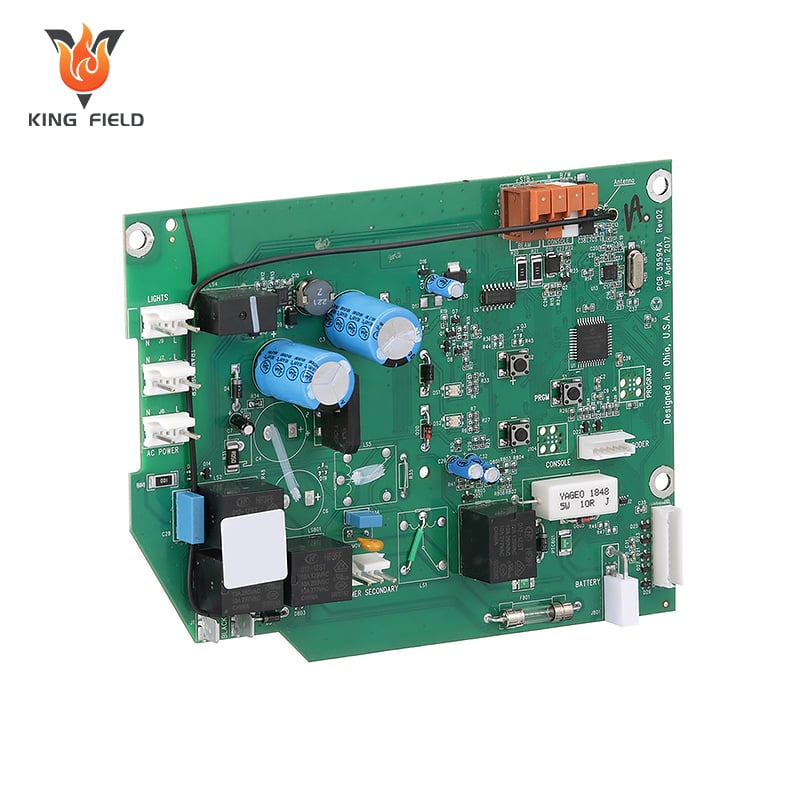
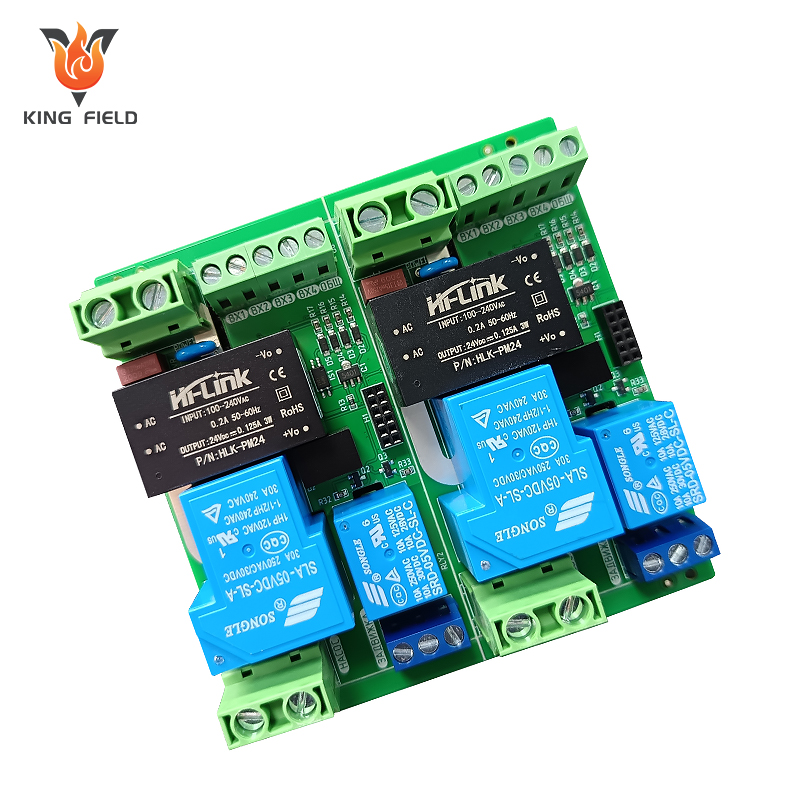
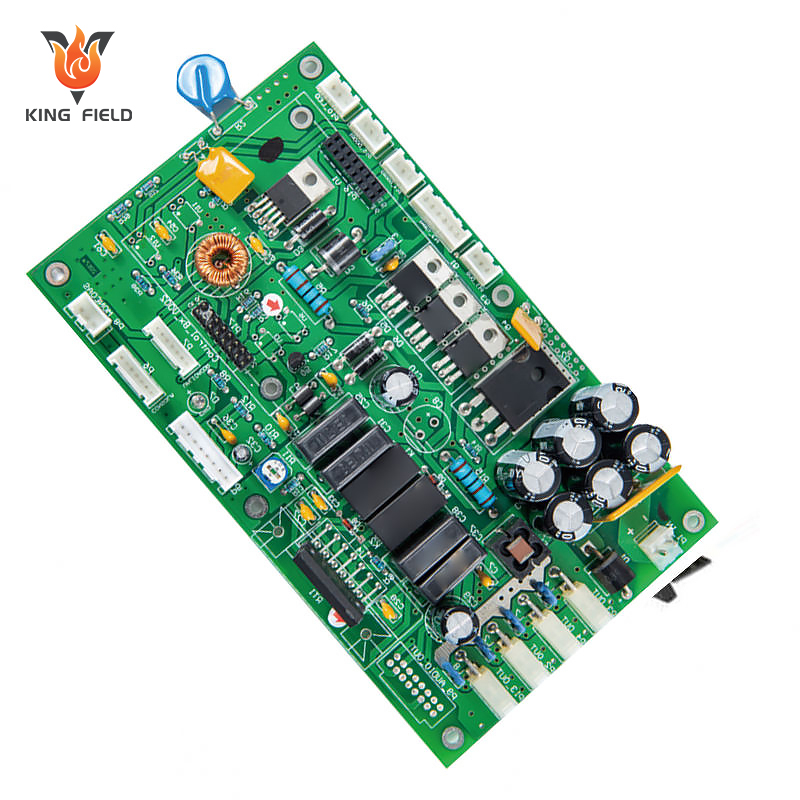
First Article Inspection
With over 20 years of experience in PCB/PCBA manufacturing , KING FIELD has become one of the leading PCB / PCBA manufacturers in Shenzhen, China.
☑ We provide one-stop PCB/PCBA solutions
☑ 20+ years of PCB/PCBA manufacturing experience
☑We support ODM/OEM
Description
KING FIELD's SMT first article inspection
Verify the accuracy of production documents (Gerber, BOM, coordinate files) ;
Confirm that the equipment parameter settings are reasonable.
Identify potential issues related to incoming materials, processes, or design.
To establish a "quality benchmark" for subsequent mass production.
Reduce the risk of mass rework, repairs, and customer complaints.
What is first-article inspection?
First-article inspection refers to the process of comprehensively testing and verifying the first or first few products before formal mass production. During the inspection process, production line is suspended, and subsequent batch production can only begin after the first product has passed inspection.
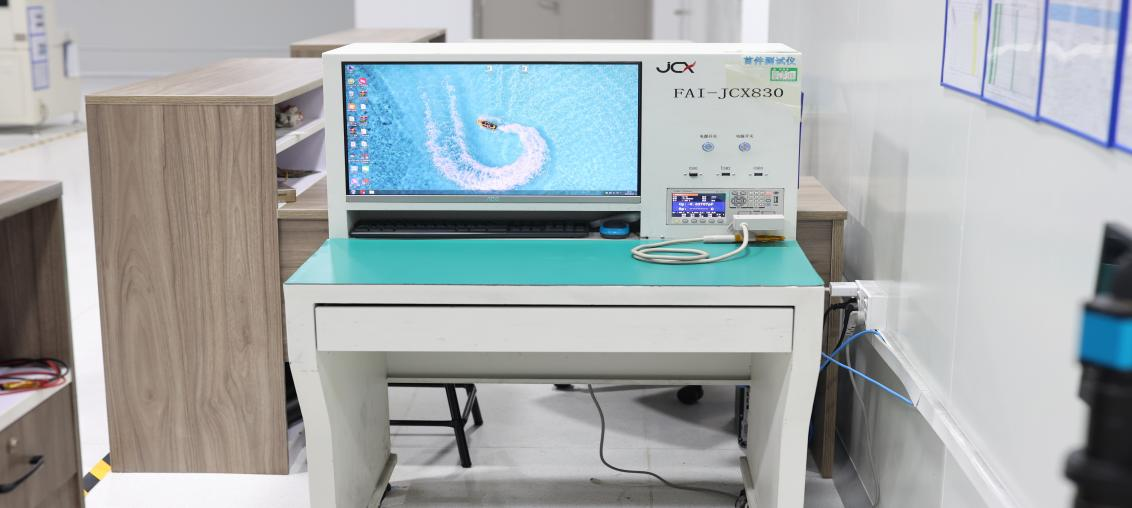
What are the advantages of KING FIELD's first article inspection?
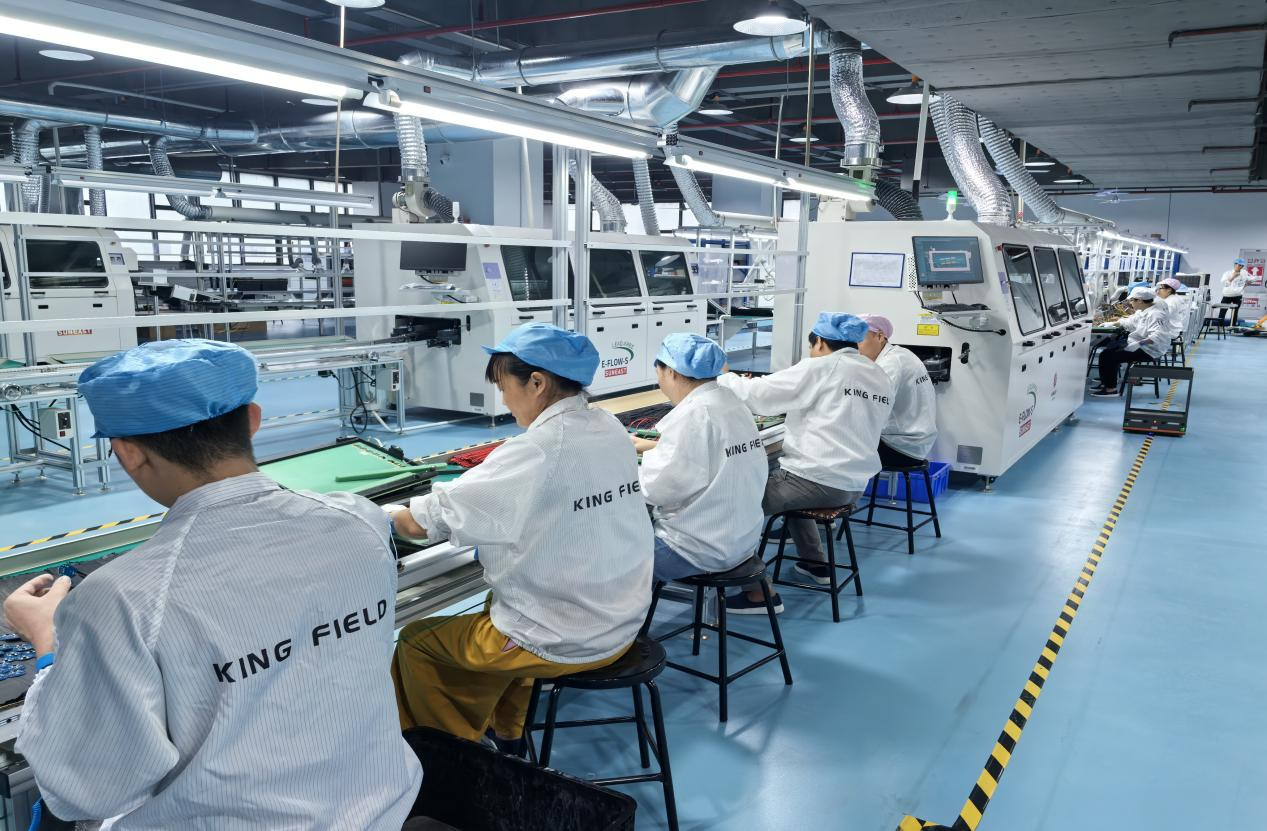
20+ years of industry experience
With over 20 years of experience in the printed circuit board industry, our 300+ engineers and production staff have accumulated extensive PCB/PCBA manufacturing experience across multiple sectors including automotive, aerospace, medical, and consumer electronics.
Production capacity
KING FIELD's production line is equipped with 7 SMT lines, 3 DIP lines, 2 assembly lines, and 1 painting line. Our YSM20R placement accuracy can reach ±0.015mm, and it can handle the smallest 0.1005 components. Our daily SMT capacity is 60 million points, and our daily DIP capacity is 1.5 million points .
After-sales service
KING FIELD offers an industry-uncommon "1-year warranty + lifetime technical support" service. We promise that if a product has a non-human-caused quality problem, it can be returned or exchanged free of charge, and we will bear the relevant logistics costs. Our after-sales team's average response time is no more than 2 hours.
FAQ
Q1. Is first-article inspection required for every new part or process change?
KING FIELD: Yes. Any new parts, major design changes, material updates, or changes in manufacturing methods, tooling, or suppliers must be inspected.
Q2. When is the first-article inspection conducted, and how often is it performed?
KING FIELD: First article inspection should be performed during the first production run of a new or improved product. It should only be repeated in the following situations: design updates, supplier changes, excessive production gaps, and emerging quality issues.
Q3. Do you have a way to link first-article inspection with Corrective and Preventive Action (CAPA) records?
KING FIELD : We will directly integrate FAI and CAPA into the Manufacturing Execution System (MES); incorporate FAI investigation results into risk assessment, root cause analysis, and preventive action tracking ; and improve manual cross-referencing through standardized procedures.
Q4. Are first-article inspection and PPAP the same thing?
KING FIELD : No. FAI verifies whether the first produced part or product meets design requirements. PPAP (Production Part Approval Process) is a broader process approval method.
Q5. How do you ensure that mass production and the first-piece sample are as stable ?
KING FIELD: We will determine how to monitor key characteristics during mass production based on the control plan, and then use control charts to monitor the stability of the mass production process. At the same time, our equipment sensors will automatically alarm and stop the machine when the tool wears to a critical value.