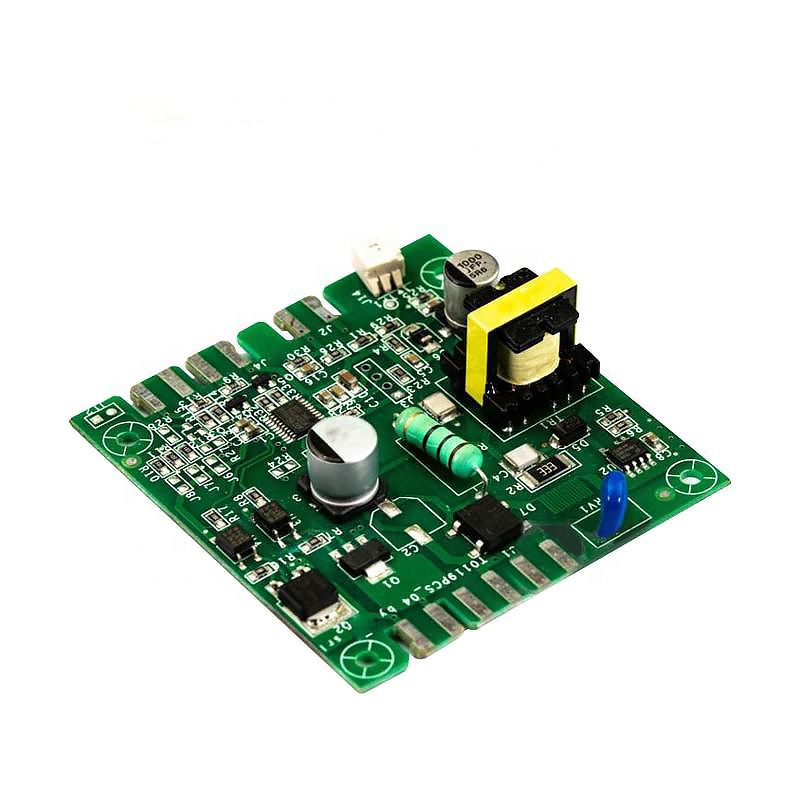
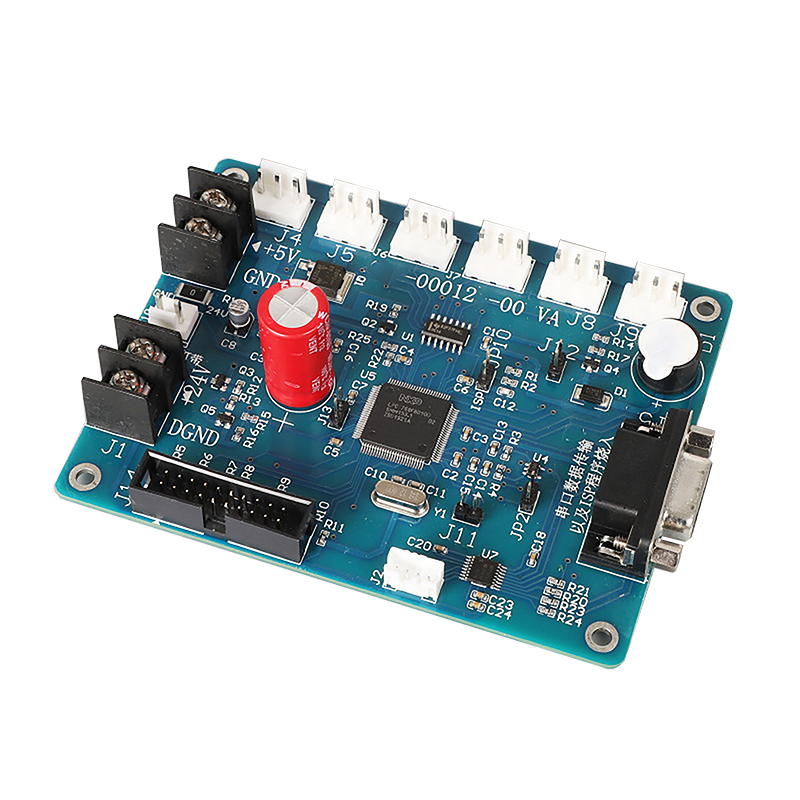
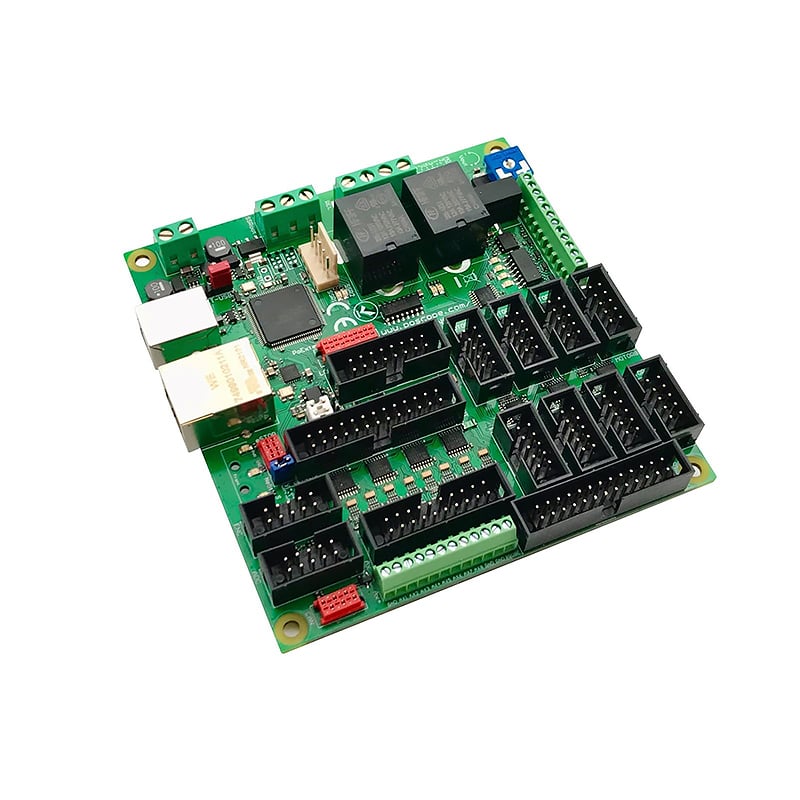
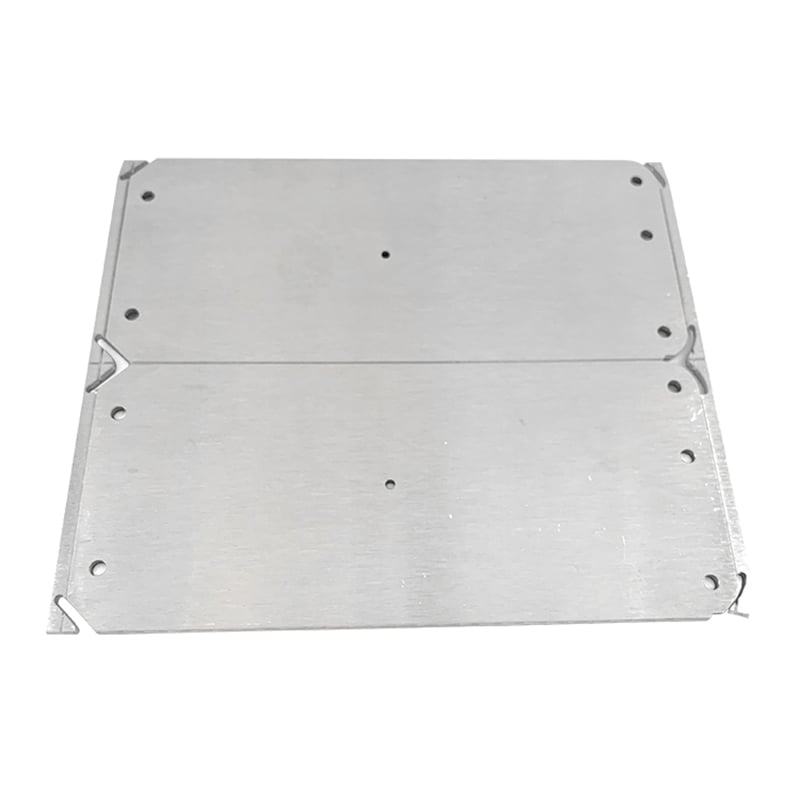
The more advanced and interconnected medical technology is, the greater the need for accuracy, safety, and regulatory compliance. Every reliable medical device, such as a patient monitor, diagnostic analyzer, or imaging system, depends on a well-designed medical pcb assembly. The latter is not only about putting parts together but also about guaranteeing trust, accuracy, and performance in the healthcare field where people’s lives are at stake.
There are major differences between medical pcb assembly and manufacturing of consumer or industrial electronics. The medical equipment must be extremely accurate because they sometimes have to detect weak biological signals or control vital functions. An error in the electrical operation can lead to misdiagnosis or the equipment being dangerous to use.
Therefore, medical pcb assembly includes a higher level of control over the environment, very accurate placement of components, and a process that can be repeated. By investing heavily in quality, King Field aims to reduce the effect of various factors on the end product quality to zero, thereby guaranteeing the performance of each assembled board as designed even if the production volume changes.
Perfect execution of medical pcb assembly can only be achieved if the whole production line is in control. During the design phase itself, functions of individual components must be clearly understood and agreed upon by everyone involved in the manufacturing process. Proper pad design, trace spacing, and component orientation are just a few of the ways how electrical performance can be improved.
Automated SMT machines carry out fine-pitch and high-density component placing with great accuracy. Likewise, the exact soldering temperatures profiles are monitored and controlled in order to avoid defects like cold joints or thermal stress. King Field does not only monitor the outputs but also the inputs in order to limit variations and guarantee that every medical pcb assembly will be able to meet the required electrical and mechanical tolerances.
Health care devices and their components are under the tight watch of regulators. Medical pcb assembly has to be in line with the international standards for quality, the way documentation is kept, and the rules for traceability. Hence there must be a system that allows each board to be traced back to its materials, processes, and inspections.
King Field embraces compliance as a part of its manufacturing process by keeping thorough production records and applying standardized inspection procedures. As a result, medical device manufacturers are not only saving time when they are getting their products certified but are also lowering the likelihood of regulatory enforcement actions.
Many medical devices in hospitals, laboratories, or home-care environments need to work without interruption. Therefore, medical pcb assembly must result in products withstanding heat, moisture, and electrical stress for a long time.
Increased use of high-quality components, fine-tuned circuit designs, and perfect solder joints all contribute to the long life of a device. Typically, medical pcb assembly_s includes functional testing and aging simulations to reaffirm that the performance level does not drop over time. With the focus on reliability, King Field ensures medical devices can be trusted even after a long service period.
Healthcare innovation depends on the ability to quickly change the manufacturing setup. Medical pcb assembly, thus, needs to handle the introduction of new device designs, smaller sizes, and novel technologies. Customization will, therefore, be the key to success in the integration of wearable medical electronics with advanced diagnostic systems.
By giving support to custom medical pcb assembly solutions such as multilayer, rigid-flex, and high-density designs, King Field is continually working to meet the ever-changing customer requirements. Being in close contact with customers also facilitates the identification of assembly methods in accordance with both functional and regulatory requirements, thus speeding up innovation without sacrificing quality.
One faulty assembly can cause the failure of the device, more specifically, recalls or safety incidents. On the other hand, professional medical pcb assembly drastically reduces such risks as it includes engineering knowledge, thorough inspection, and testing.
Automated optical inspection, X-ray analysis, and functional validation are amongst the techniques used to reveal defects that are not visible by the naked eye. Kind Field is a front-runner in the adoption of these diagnosis and treatment methods enabling it to detect the problem areas early thus safeguarding both manufacturers and users while at the same time enhancing patient safety.
Highly regulated and fiercely competitive, healthcare market requires healthcare companies to be able to do medical pcb assembly that is reliable as one of the key differentiators. The performance and compliance of their devices give them the credentials for faster approvals and better acceptance in the marketplace.
Through the delivery of precision, compliance, and reliability, King Field not only establishes itself as a trusted partner in medical pcb assembly but also, its focus on quality-driven manufacturing enables medical device companies to make safer and more effective products available in the market.
Medical pcb assembly, therefore, is not merely a technological process but it serves as a critical foundation for healthcare electronics trust-building in today’s world. It achieves its objectives through disciplined manufacturing and continuous improvement that technology keeps serving its very vital purpose – preserving and enhancing human life.