All Categories
heavy copper flex pcb

heavy copper flex pcb

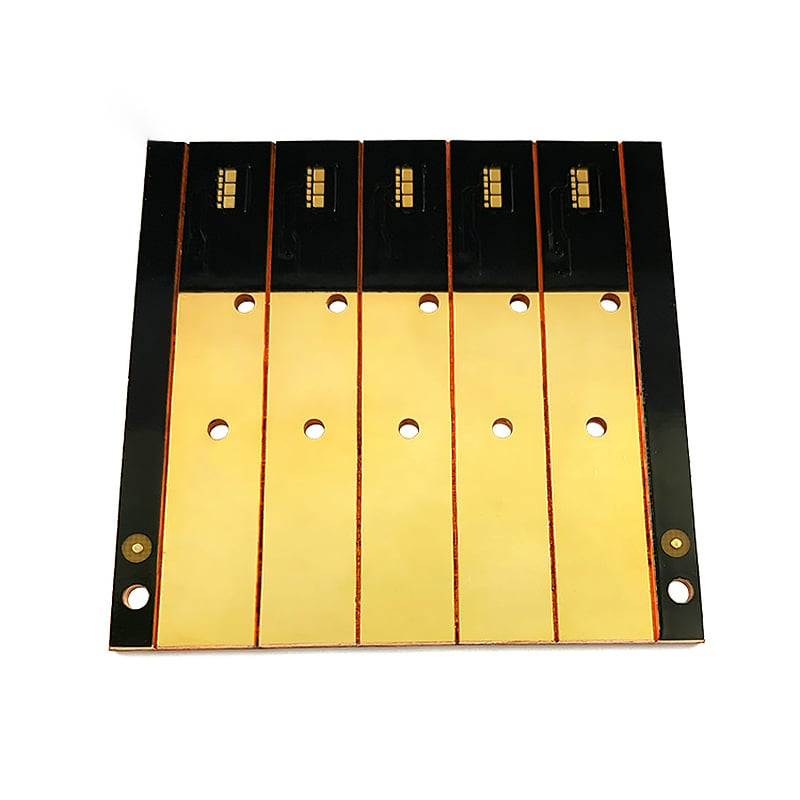
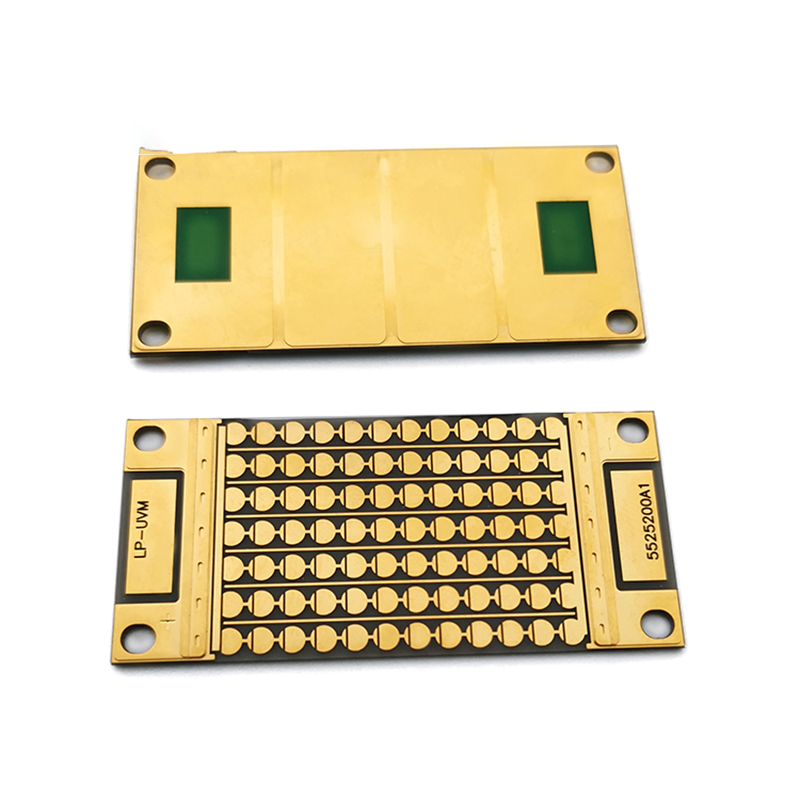
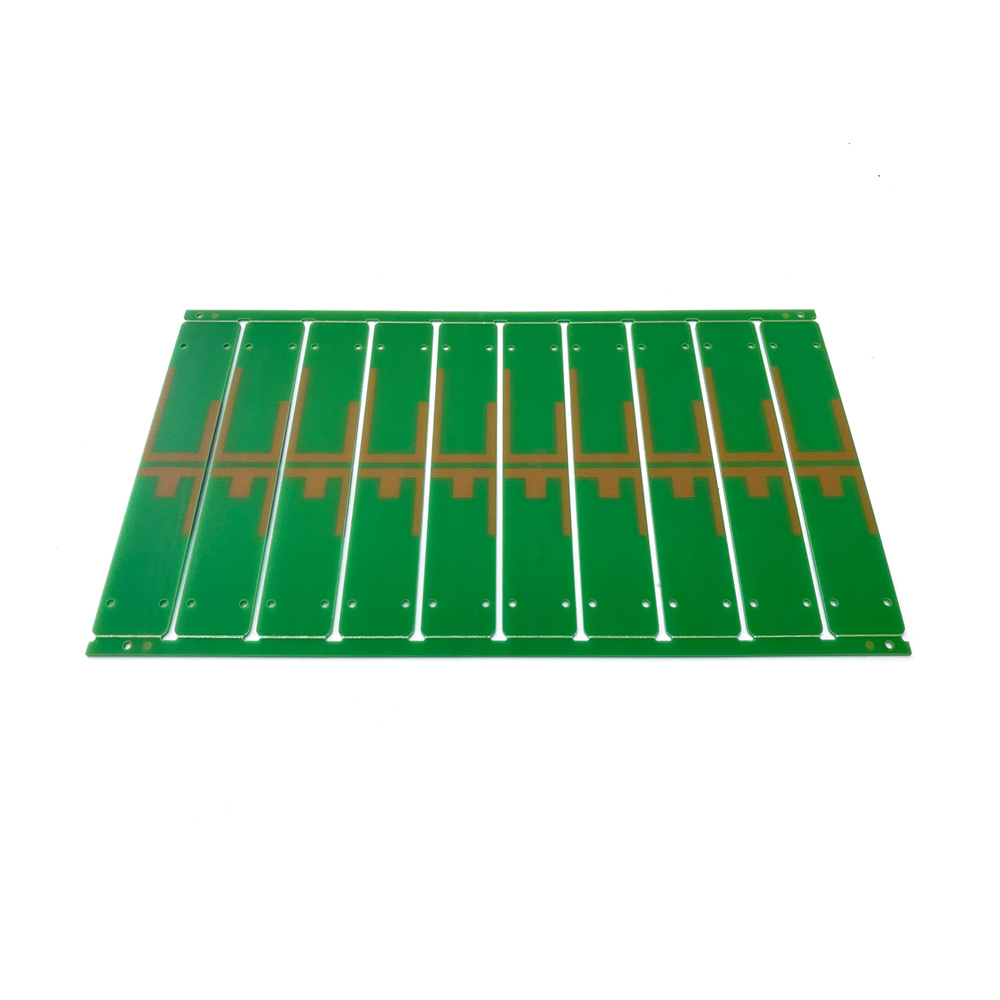
Heavy copper flex PCBs have thick copper layers therefore they are capable of handling high-current applications and at the same time remain flexible for compact assemblies. These PCBs can often be found in power electronics, industrial machinery, and automotive electronics. In addition to excellent thermal management, they also feature enhanced mechanical durability as well as the accuracy of signal integrity. Heavy copper flex PCBs enable engineers to make a compact yet high-current device that can be expected to perform reliably over the long term.
Get A Quote

Product introduction

Product Advantage

Innovative Space-Saving Designs for Compact Electronics

Flexible PCBs are bendable and can be folded and twisted around irregular shapes or in very tight spaces and thus are the perfect fit for any compact modern device like a smartphone, a wearable or a medic instrument. This space-saving feature of flexible PCBs gives the opportunity to engineers to make smaller and lighter products without losing the quality of the performance. The flexible PCBs are the ideal and ultimate answer to the problem of squeezing in as much functionality as possible in very limited space.

Superior Level of Performance and Life Span

Flexible PCBs drastically decrease the number of connectors and solder junctions, which are most of the time the weakest points in electronic assemblies. The flexible circuits, therefore, have fewer points which can fail and are thus more resistant to various factors such as vibration, bending, and mechanical stress. This high degree of reliability guarantees that the device will continue functioning normally for a long time even under very demanding conditions, e.g., from use in industrial controllers to automotive electronics.

Enhanced Design Flexibility for Complex Applications

Flexible PCBs allow for single-layer, multi-layer, and rigid-flex designs, which means that engineers are able to fit multiple components in small and confined spaces. They are also highly suitable for futuristic and next-gen applications such as the foldable devices, the advanced medical implants, and the high-density IoT electronics. With flexible PCBs, circuit layouts are achieved that are very complicated while in the case of rigid boards, simply cannot be accommodated.

Cost Effectiveness of Long-Term Production

The initial price of flexible PCBs is quite higher than that of the normal rigid ones but still, they end up being more cost- effective due to their features of simplifying the assembly process, reducing connectors, and minimizing maintenance, etc. Besides, companies enjoy lower failure rates, easy installation, and quicker product roll-outs, and that makes flexible PCBs the right and effective choice for high-volume ​‍​‌‍​‍‌​‍​‌‍​‍‌production.


How​‍​‌‍​‍‌​‍​‌‍​‍‌ Can Flexible PCBs Revolutionize the Future of Electronics?

There has never been such a dramatic transformation in the electronics industry as is witnessed today. Devices that are increasingly smaller, lighter, and smarter habitually require circuit designs to be innovative. At the forefront of such revolutionary technologies are flexible PCBs (printed circuit boards). To what extent will flexible PCBs be able to change the future of electronics? We need to look into the technology, its advantages, and the real changes in applications that are being caused by a shift of the kind, with insights from an industry leader King Field.

Decoding Flexible PCBs

Flexible PCBs, or flex circuits as they are sometimes referred to, are made of polyimide or polyester films - these allow the board to be bent, twisted, or folded multiple times without breaking. A flexible PCB being able to conform around a curve is nothing the traditional rigid board can do, hence these flexible PCBs are able to be used in places and designs that were not possible before. King Field is a professional manufacturer of flexible PCBs that mixes strong mechanical properties with a level of electrical performance that enables highly complicated electronics to be designed.

Main Benefits of Flexible PCBs

1. Space-saving Design for Contemporary Gadgets

With a rising number of users, thinness and lightness of a device become the major selling features, hence traditional rigid PCBs can hardly provide solutions for the limited spaces. By using flexible PCBs, electronics are able to be squeezed in the smaller housings without the devices losing their functionalities. Foldable smartphones, smartwatches, and wearable health monitoring devices are just a few examples of products that are in heavy use of flexible circuits. King Field comes up with solutions that meet the demands of the miniaturization without any compromise on reliability of the products.

2. Enhanced Durability in Unstable Environments

Flex circuits allow for a reduction in the number of connectors and solder joints that are usually the weak points in the electronic device assemblies. Consequently, fewer mechanical failures will occur due to a lower number of connections, especially in the cases of devices being exposed to vibrations, bending, or movements of any kind. King Field implements the testing phase and quality control to a high standard so that every flexible PCB is capable to guarantee the customer the flexibility and performance it requires even in the most demanding situations.

3. Cost-Effective Production Through Easier Assembly

Even though the initial manufacture of flexible PCBs may be more expensive compared to the rigid ones, flexible PCBs eliminate the countless wires and connectors, thus simplifying the assembly and reducing the production costs in a long run. Less maintenance work and higher reliability will over time mean saving more money, especially for high-volume manufacturing of electronics. King Field assists customers in design optimization that ensures the maximization of these savings is achieved.

4. Flexibility in Design for Groundbreaking Applications

Flexible PCBs allow multi-layer and intricate routing so that engineers can create products which initially were not possible. The versatility of foldable displays, medical implants, and compact sensors is greatly improved due to the multi-layer ability of flexible PCBs. King Field works hand in hand with clients in order to come up with innovative solutions that cater for the specific needs of the product.

Actual​‍​‌‍​‍‌​‍​‌‍​‍‌ Deployment of Products Fueled by Flexible PCBs

Flexible PCBs play a crucial role in the development of several industries:

  • Consumer Electronics: The range of devices and gadgets like smartphones, tablets, laptops, wearables, and gaming devices is continually growing.
  • Medical Devices: products such as pacemakers, hearing aids, portable diagnostic tools, and health monitors are being upgraded by flexible PCBs.
  • Automotive Electronics: Flexible PCBs contribute to dashboard displays, advanced lighting, and sensor networks.
  • Aerospace & Industrial Equipment: The use of robots, drones, and IoT devices can greatly benefit from flexible PCBs because the resulting products are lighter and more compact.

Providing a new technology, flexible PCBs are helping engineers to produce devices compact in size and lightweight but at the same time very resilient. This will be the first step towards the next generation of electronic devices.

King Field: A New Dawn for Flexible PCBs

King Field has secured its position in the industry through consistent performance and flexibility in the delivery of services, along with extensive experience in the fabrication of both flexible and rigid-flex circuit boards, and by supporting customers from prototyping to mass production. King Field's avant-garde facility enables them to provide:

  • Single layer and multi-layer flex circuits.
  • A combination of rigid-flex PCB assemblies for complex designs.
  • Rapid prototyping for fast product introductions.
  • Quality control through thorough testing and inspection.

By mastering both standard production and highly customized solutions King Field is empowering designers and manufacturers to be creatively unrestrained in a fiercely competitive environment.

Upcoming Changes in Flexible PCB Technology

  • Wearables and IoT Devices: The ever-growing demand for portable and connected electronics is significantly increasing the demand for flexible PCBs.
  • High-Density Interconnects (HDI): With new techniques, it is possible to achieve higher density circuits on flexible substrates for sophisticated electronics.
  • Sustainability Initiatives: Flexible PCBs help in limited usage of raw materials plus waste and assembly complexity can also be minimized which is certainly in line with the goal of environmentally friendly manufacturing.
  • Automotive & Electric Vehicles: With electric vehicles becoming more and more popular, flexible PCBs uses will go beyond battery management systems, infotainment, and sensor networks.

Flexible PCBs are not just a gimmick - they represent an instrument which can significantly help with the evolution of the future of electronics. Giving miniaturization, robustness, and design liberty, flexible PCBs facilitate the achievement of those breakthroughs which are too complicated or even impossible with the conventional rigid boards. To this end, King Field is seamlessly leading the transformation byproviding flexible PCB solutions that address the evolving requirements of contemporary electronics.

So how exactly can flexible PCBs shake up the electronics industry? Well, they cram cutting-edge features into tiny spaces, have the resilience to withstand extreme environmental conditions, and foster unlimited creativity in product design. Therefore, the verdict has been made - flexible PCBs will be the next essential component of tomorrow's electronic ​‍​‌‍​‍‌​‍​‌‍​‍‌devices.

Blog

How Do You Select a Reliable SMT PCB Assembly Supplier?

27

Dec

How Do You Select a Reliable SMT PCB Assembly Supplier?

Choosing a trusted SMT PCB Assembly Supplier affects quality and delivery in every electronics manufacturing company. SMTA with Surface Mount Technology (SMT) is the essence of the most advanced electronic-products for small, fast, and larg...
View More
What Challenges Come with PCBA BGA Assembly in SMT PCB Production?

28

Dec

What Challenges Come with PCBA BGA Assembly in SMT PCB Production?

Application of PCBA BGA Assembly In Electronic Industry Processing The PCBA BGA assembly process is considered as one of the major processes to fulfill the dense and high performance circuit board in the production of SMT PCB. Due to the co...
View More
How Can Altium Designer PCB Design Improve Your Electronic Product Workflow?

30

Dec

How Can Altium Designer PCB Design Improve Your Electronic Product Workflow?

Today,​‍​‌‍​‍‌​‍​‌‍​‍‌ the electronics industry is changing at such a high pace that even your PCB design process efficiency can become a decisive factor for your product development time, cost, and level o...
View More
Why Is Heavy Copper Flex PCB the Best Choice for High-Current Applications?

31

Dec

Why Is Heavy Copper Flex PCB the Best Choice for High-Current Applications?

In​‍​‌‍​‍‌​‍​‌‍​‍‌ today's world of electronics, three major factors have been the most important focus points: flexibility, reliability, and high-current handling capabilities.As​‍​‌‍​‍&zw...
View More

Get a Free Quote

Our representative will contact you soon.
Email
Name
Company Name
Message
0/1000