
 EN
EN
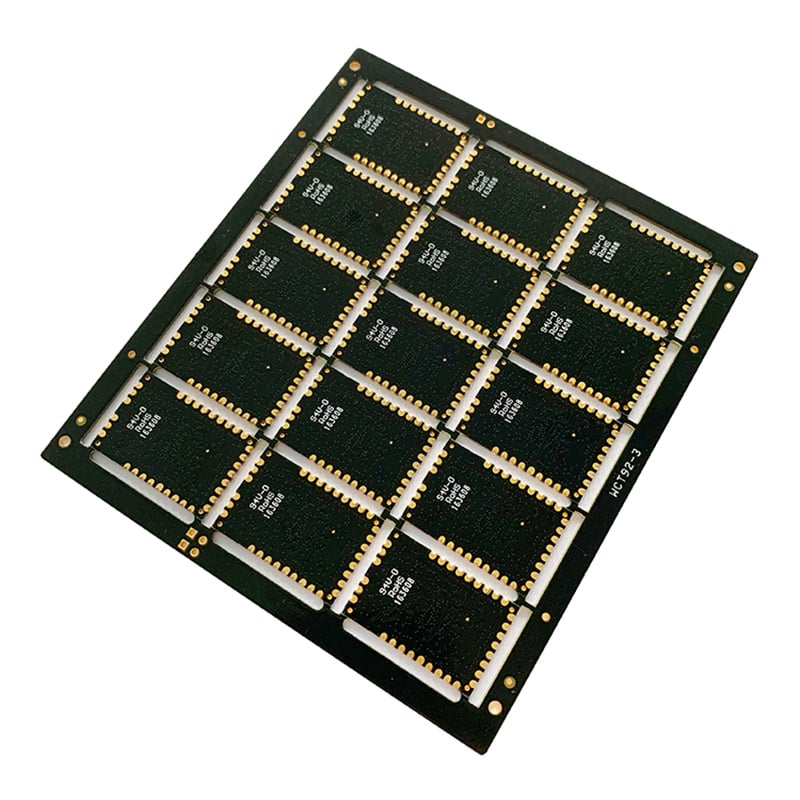
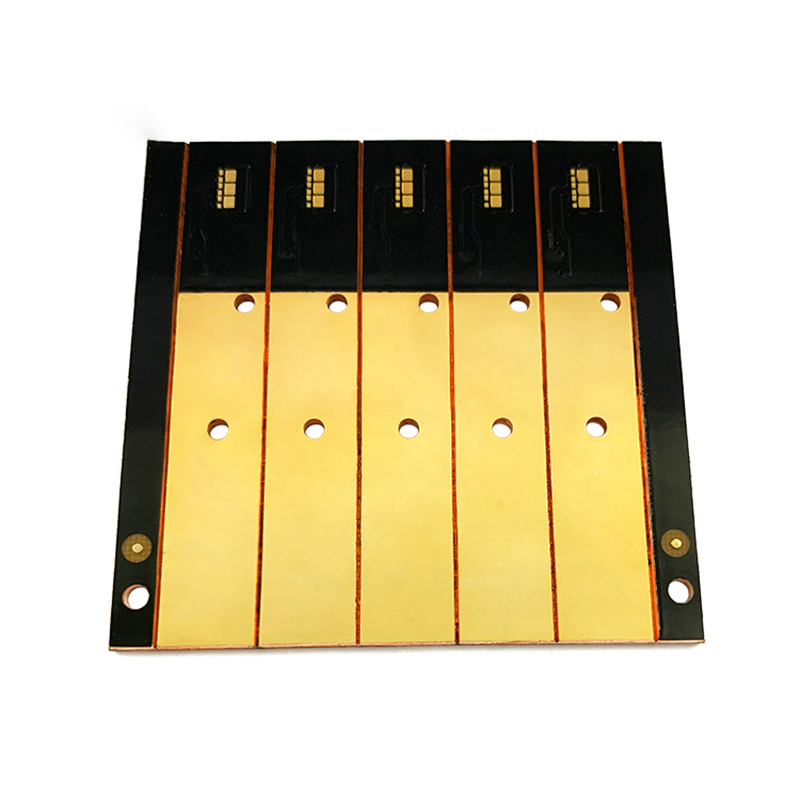
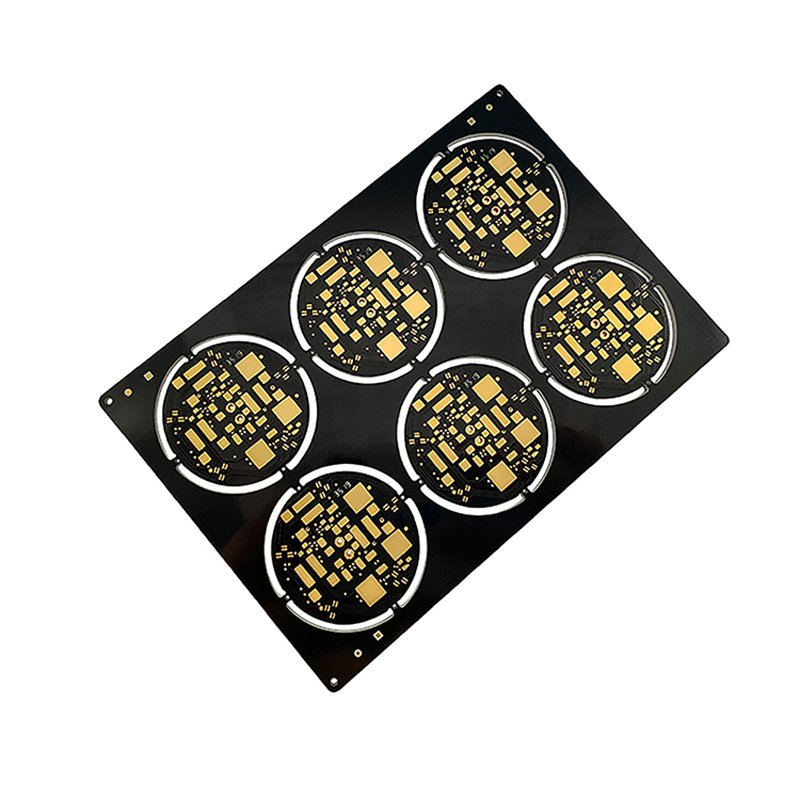
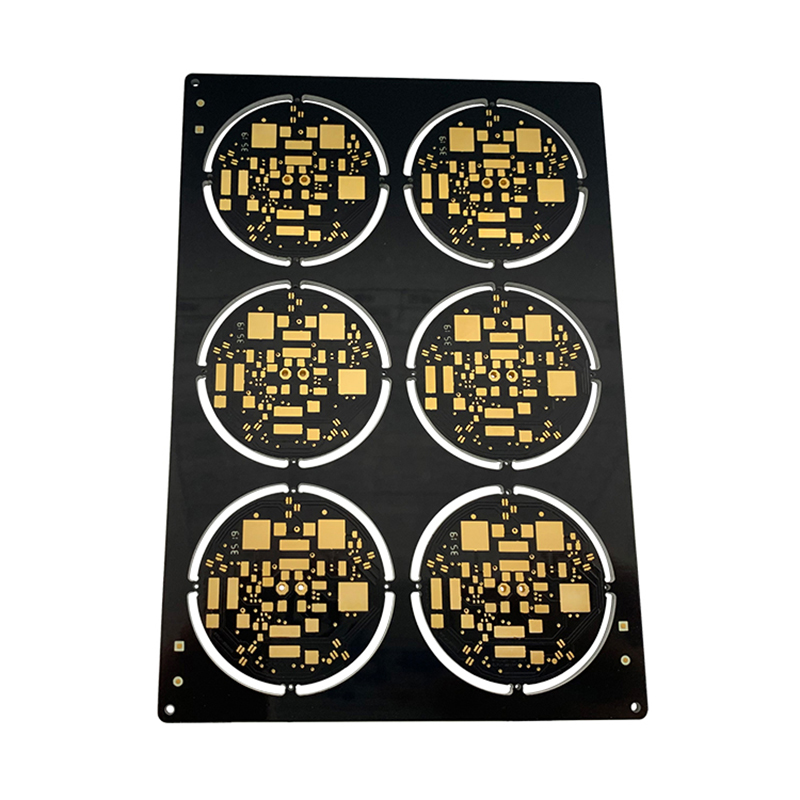
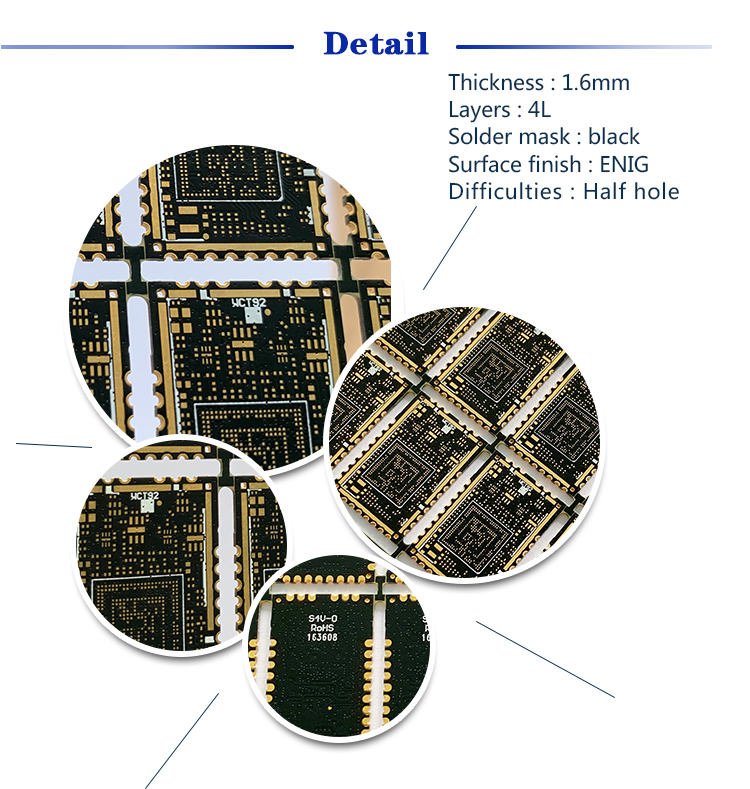
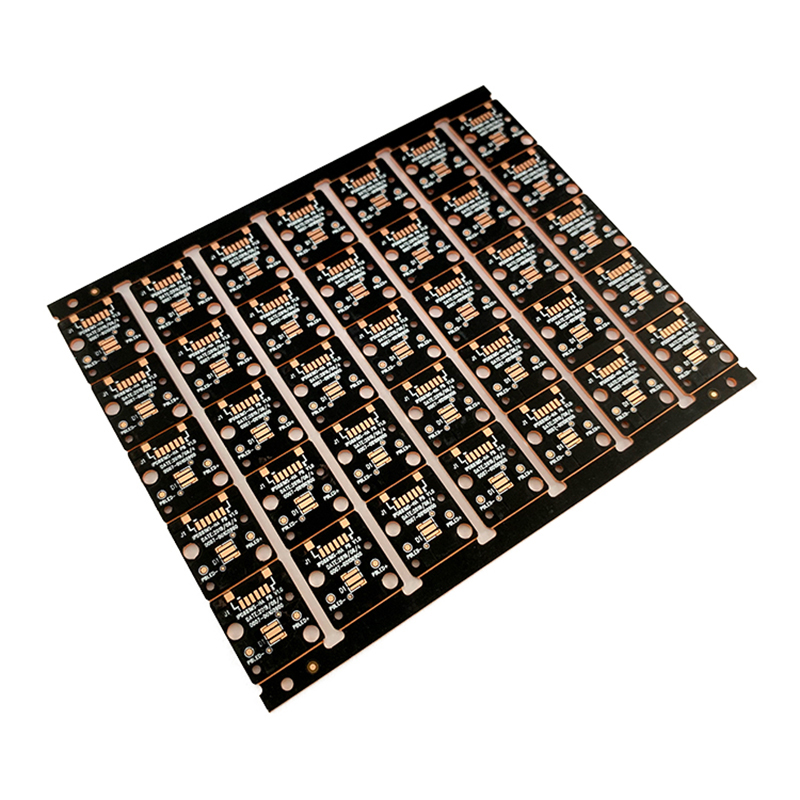
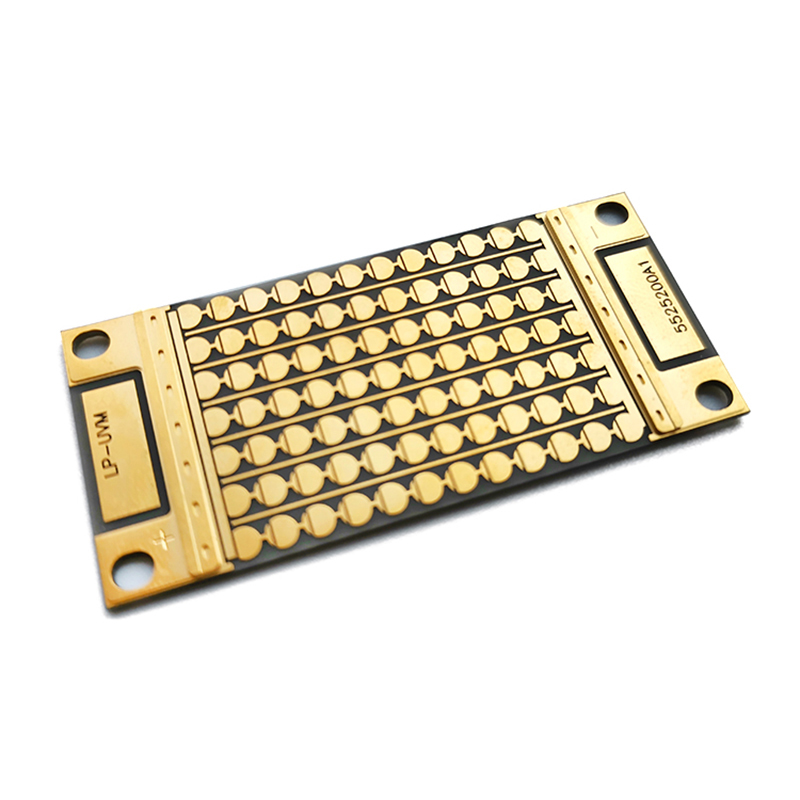
Metal Core PCB
ZEON ELECTRONICS has over 20 years of industry manufacturing experience in PCB prototyping and production . We are committed to providing customers with one-stop PCB/PCBA solutions .
☑ Minimum line width/spacing: 4/4 MIL (1.0 OZ)
☑ Tolerance for height difference between boss and board surface: ±0.025MM
☑ Surface treatment types: Immersion gold, immersion nickel palladium gold, immersion silver, immersion tin, OSP, spray tin, electroplating gold
Description
Plate thickness: 1.0-1.2-1.6mm
Thermal conductivity: 1W
Solder mask: white paint with black lettering
Process: Conventional process for tin plating
Thermal conductivity: 1-series aluminum / 3-series aluminum / 5-series aluminum / 6-series aluminum, etc.
Minimum line width/spacing: 4/4 MIL (1.0 OZ)
Plate thickness: 0.4-3.2MM
Available structures: single-sided/double-sided
Tolerance for height difference between boss and board surface: ±0.025MM
Surface treatment types: Immersion gold, immersion nickel-palladium-gold, immersion silver, immersion tin, OSP, spray tin, electroless gold plating, lead-free hot air leveling (HASL), electroless nickel-gold plating (ENIG) , organic solder mask (OSP)
Sheet types: copper-based, aluminum-based
Application areas: Heat dissipation in new energy vehicles, industrial equipment, automobiles, etc.
What is a metal core printed circuit board (MCPCB)?
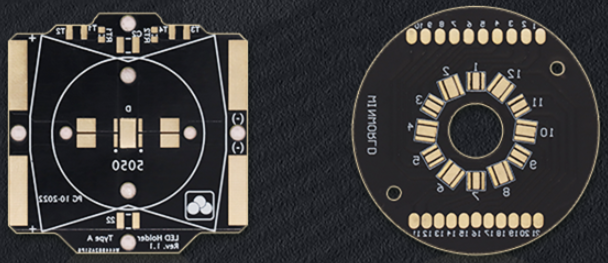
Metal core printed circuit boards are a special type of PCB that uses a metal substrate as its base material, unlike the FR4 material commonly used in general PCBs. Copper-core PCBs typically use aluminum, copper, or other alloys as the core material.
ZEON ELECTRONICS's metal substrate manufacturing capabilities
Project |
Ability |
number of floors |
Floors 1-8 |
Product Type |
Aluminum substrate/copper substrate/thermoelectric separation/sandwich panel/hybrid laminate |
Finished plate thickness |
0.4—6.0mm |
thermal conductivity |
0.5–12 W/mK (Normal) 175/380W/mK (Thermoelectric Separation TES) |
Breakdown voltage |
2.0—4.0KV |
Copper foil thickness |
0.5oz–6oz |
Flame retardant rating |
94V0 |
Surface treatment |
Lead-free tin plating, leaded tin plating, immersion gold plating, OSP, etc. |
Molding method |
Laser cutting: ±0.05mm Screw forming: ±0.15mm |
Minimum aperture |
0.80mm (minimum for mixing and pressing: 0.30mm ) |
Maximum/Minimum Finished Product Size |
Maximum size: 1170mm x 427mm Minimum size: 10mm x 10mm |
Why choose ZEON ELECTRONICS for Metal Core PCBs ?
l 20+ years of experience in manufacturing high - conductivity metal substrates
- Since 2017 , ZEON ELECTRONICS, a high-tech enterprise focusing on one-stop PCBA manufacturing, has always been committed to "creating an industry benchmark for ODM/OEM PCBA intelligent manufacturing" and has steadily cultivated the high-end manufacturing field.
- Currently, we have a research and development team of 50+ people and a front-line production team of 600+ people.
- Our core team members have an average of 20+ years of practical experience in PCB/ PCBA, covering areas such as circuit design, process development, and production management .
l Fully equipped
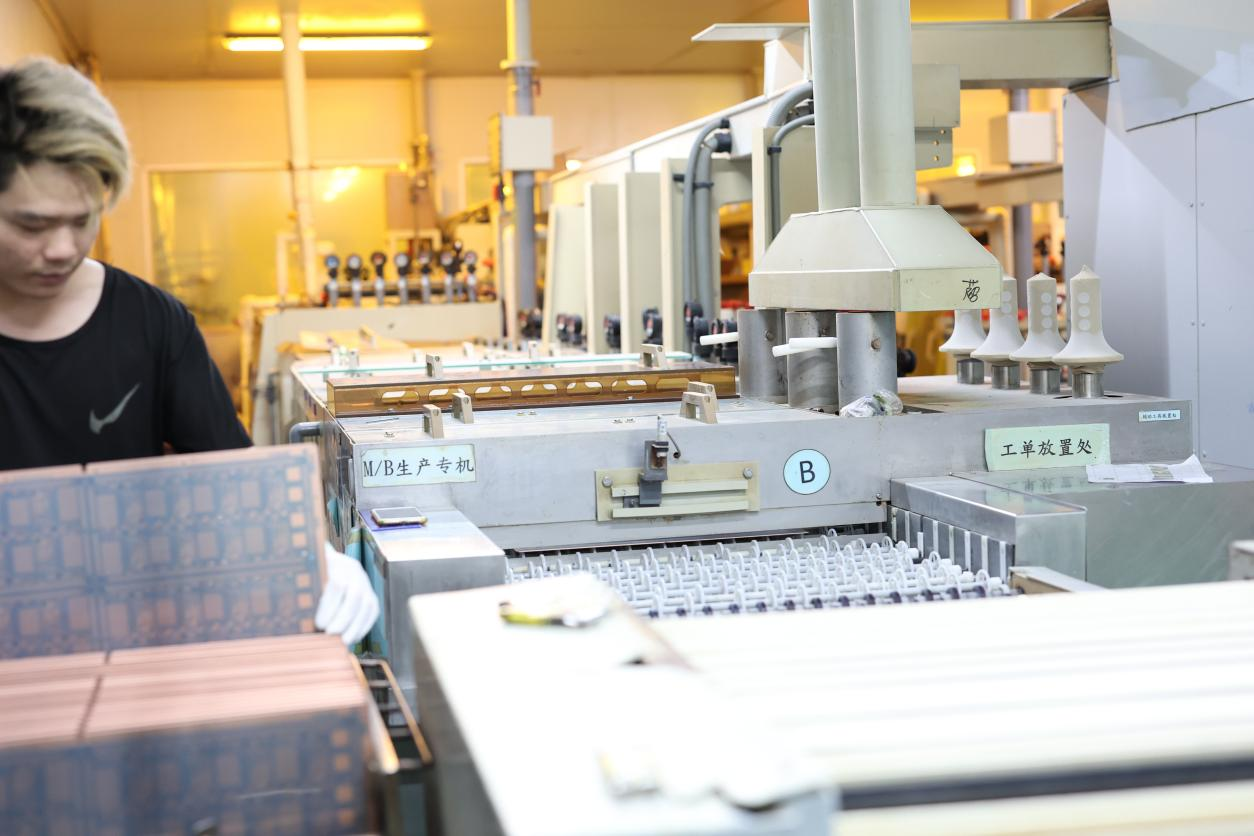
ZEON ELECTRONICS's metal substrate PCB production and testing equipment mainly includes: laser drilling, LDI exposure machine, vacuum etching machine, laser forming, multilayer board hot press, online AOI optical inspection, four-wire (low resistance) tester, and vacuum resin plugging.
l A sound quality control system
- Made with lead-free, halogen-free and other environmentally friendly materials, all products undergo multiple tests, including AOI optical scanning, flying probe testing, and (four-wire) low resistance testing.
- In terms of quality control, ZEON ELECTRONICS has passed six major system certifications: IATF 16949, ISO 13485, ISO 9001, ISO 14001, ISO 45001, and QC 080000. With 7 SPI, 7 AOI, and 1 X-Ray testing equipment throughout the process, we use a digital MES system to achieve full traceability and ensure that every PCBA is of consistent quality.
l Production capacity
ZEON ELECTRONICS's production line is equipped with 7 SMT lines, 3 DIP lines, 2 assembly lines, and 1 painting line. Our YSM20R placement accuracy can reach ±0.015mm , and it can handle the smallest components from 0 to 100.5mm . The daily capacity of SMT is 60 million points; the daily capacity of DIP is 1.5 million points.
l After-sales guarantee
- In terms of service, ZEON ELECTRONICS provides 24-hour technical support, maintaining close collaboration with customers from pre-sales consultation to after-sales response.
- We also offer a rare "1-year warranty + lifetime technical consultation" service in the industry. If the product has a non-human-caused quality problem, we can also return or exchange it free of charge and bear the relevant logistics costs.

FAQ
Q1. How much better is the thermal performance of your metal core PCB than FR4 ?
ZEON: Our metal core PCBs conduct heat 8 to 10 times faster than standard FR4 .
Q2. Are all your metal core PCBs single-layered?
ZEON: Of course not. While most metal-core PCBs are single-layered , double-sided and multi-layer metal-core PCBs also exist. Furthermore, we can produce thermoelectrically separated metal-core PCBs.
Q3. What is the typical stack-up structure of your metal core PCB?
ZEON: A typical metal-clad PCB consists of the following three parts:
- The metal substrate can be aluminum, copper, iron, etc.
- Dielectric layer used for electrical isolation;
- Copper circuits that enable electronic functions.
Q4. What is the difference between a metal core PCB and an FR4 PCB?
ZEON: Although both metal-clad PCBs and FR4 PCBs are rigid PCBs and widely used, they differ in several ways, the main differences being as follows:
- The materials used differ: metal-based PCBs use alloys such as aluminum and copper as the core material, while FR4 PCBs only use glass fiber.
- Different uses: Metal-clad PCBs are often used in applications requiring heat dissipation, such as high-power PCBs and LED PCBs; while FR4 PCBs are widely used in most electronic devices.
Q5. What is the thermal conductivity of your metal core PCB?
ZEON: The thermal conductivity of metal core PCBs ranges from 1 W/m·K to 400 W/m·K, depending on the material parameters.