Efficiency, accuracy, and the possibility of scaling up have become essential requirements in the electronics industry, which changes rapidly. SMT, or Surface Mount Technology Assembly, is one of the most revolutionary technologies that have contributed to this change. But what makes SMT Assembly a hub of modern electronics manufacturing, and how can a company, e.g., King Field, utilize the benefits of SMT to keep the edge in the market and gain a competitive advantage?
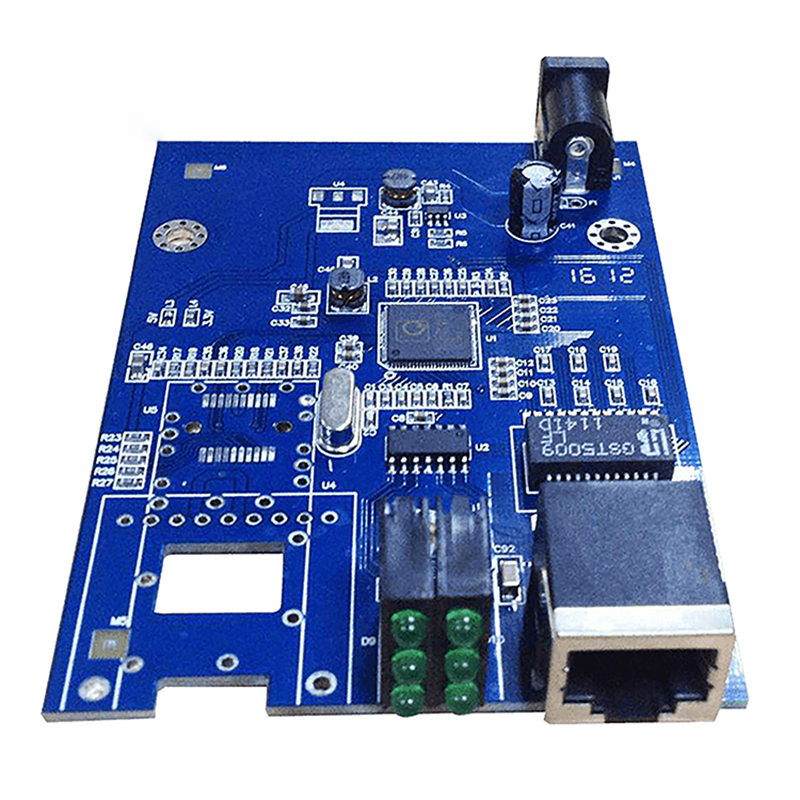
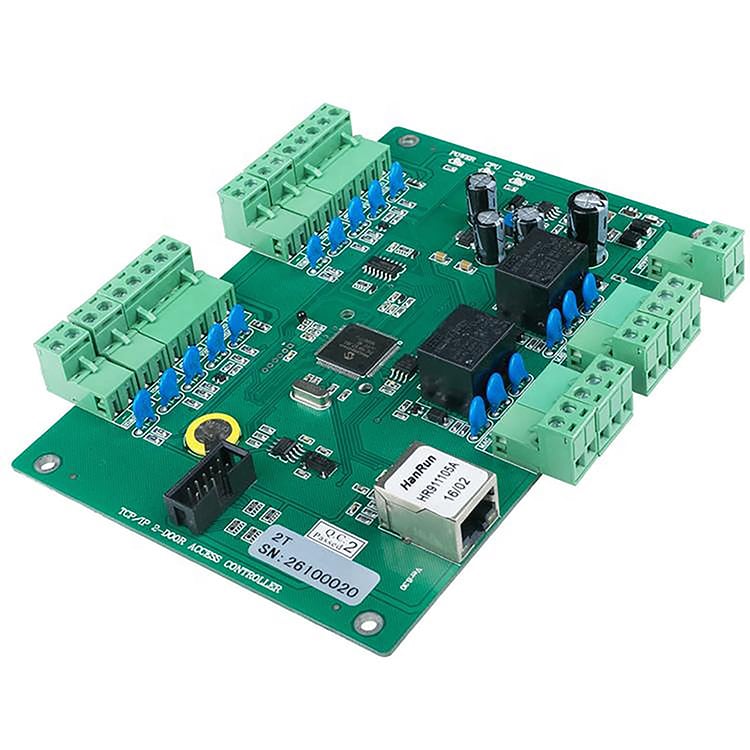
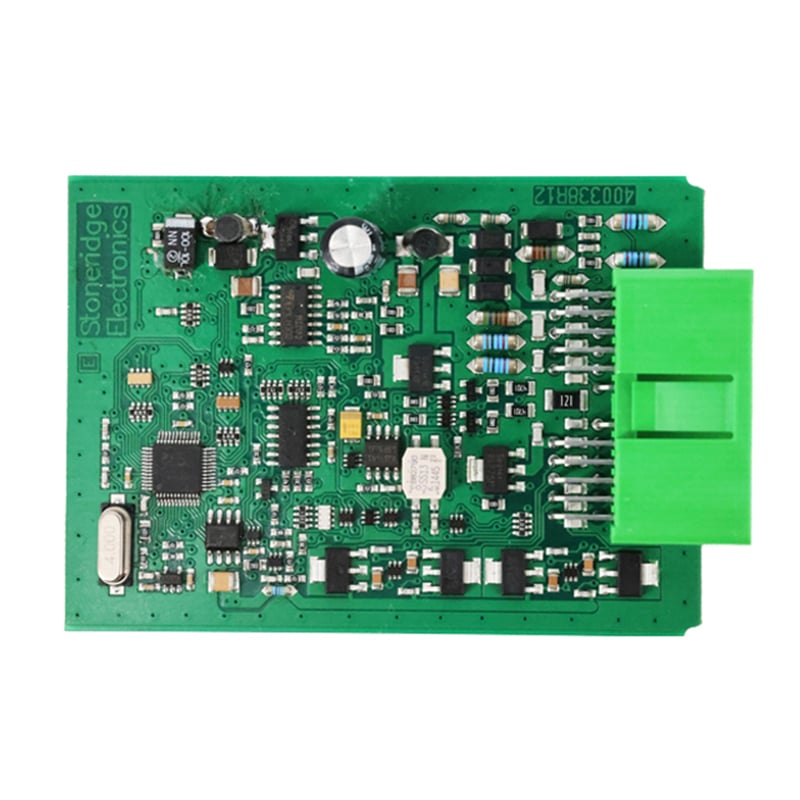
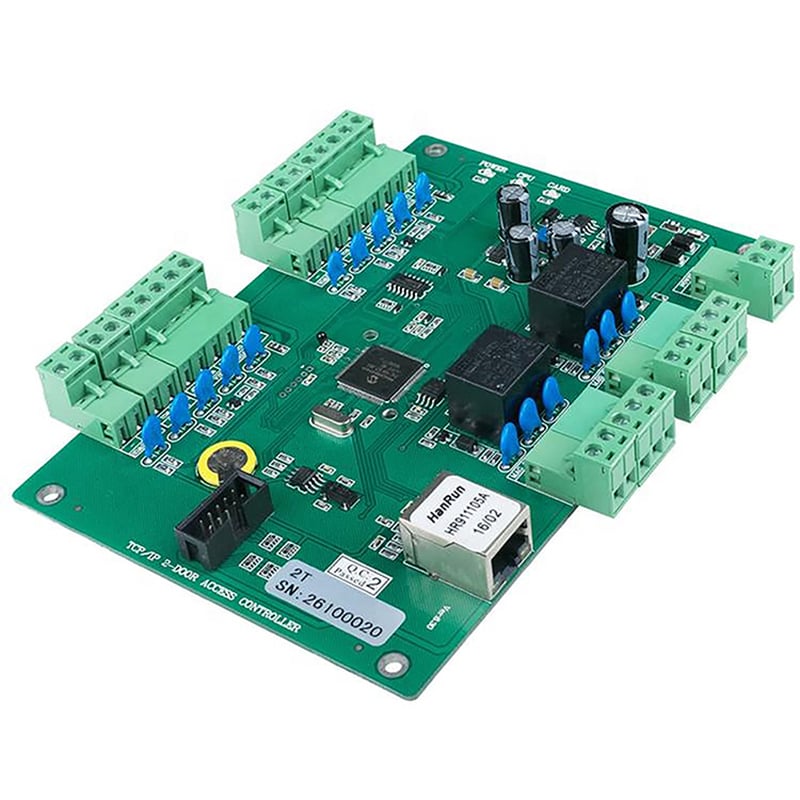
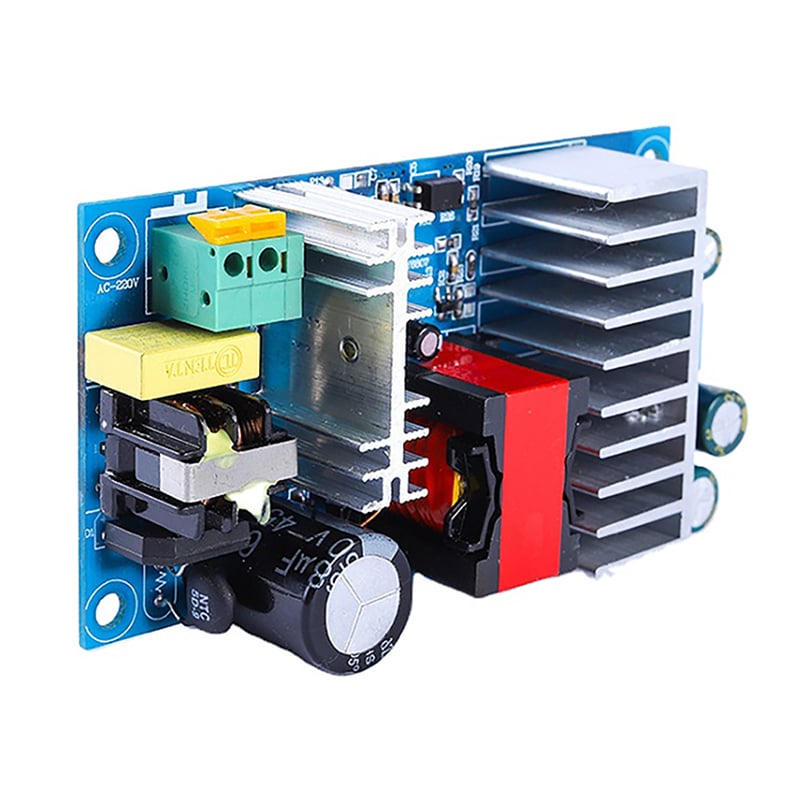
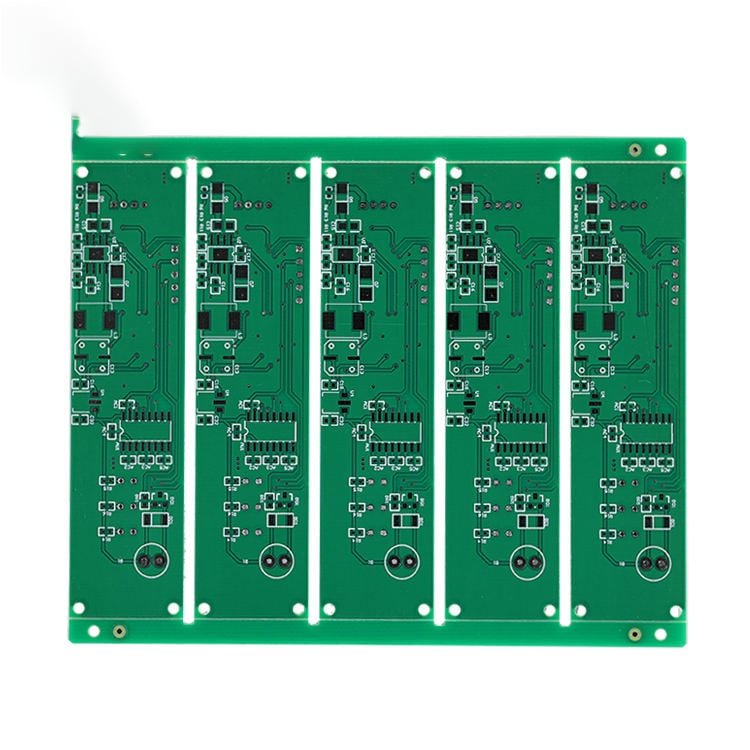
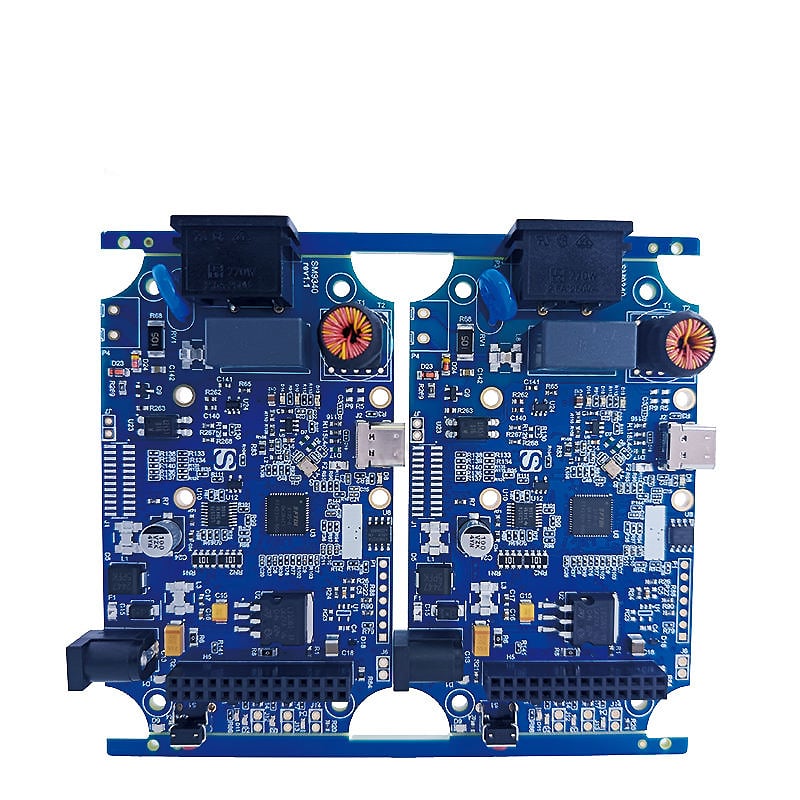
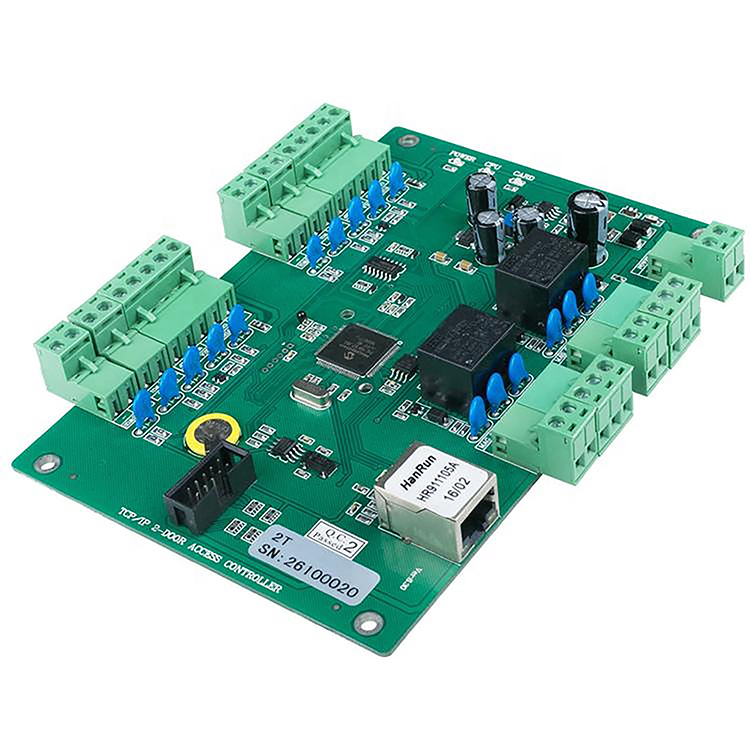
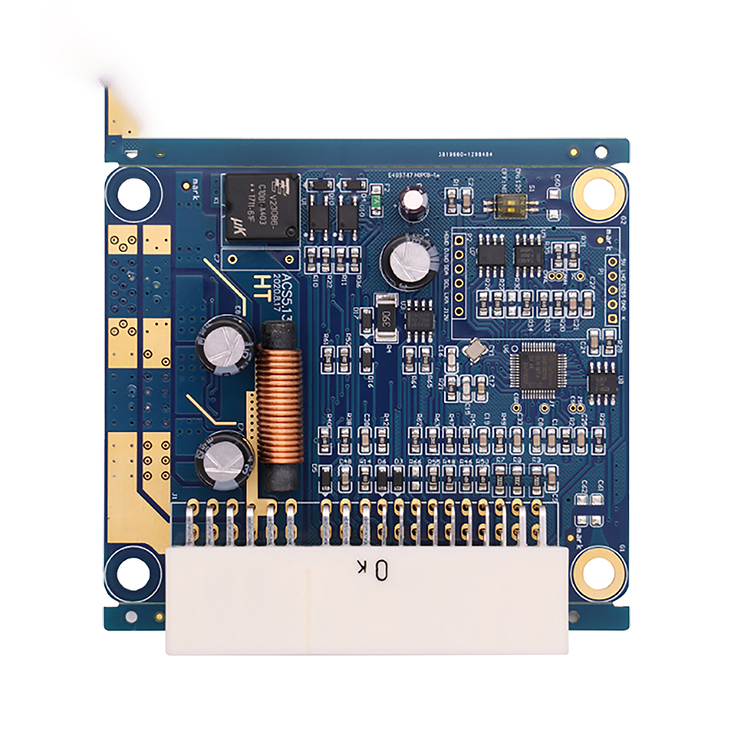
Simply put, the SMT Assembly process is all about putting the electronic components on the surface of printed circuit boards (PCBs). Traditional through-hole assembly involves inserting the component's leads through holes in the board, which is the opposite of SMT assembly. Furthermore, SMT components are generally smaller and lighter and offer greater functionality. For these reasons, manufacturers can make their devices a lot more compact and energy efficient. Thus, this evolution has paved the way for more innovation not only in consumer electronics but also in automotive, medical, and aerospace engineering.
One of the major factors why SMT Assembly is a game changer for the entire electronics industry is its precision level. Electronics become smaller and smaller, and SMT allows for components to be placed more accurately than ever before. King Field, for instance, has set up fully automated SMT production lines, which combine high-speed pick-and-place machines with automated optical inspection (AOI) systems. These setups are used to verify that each component is fitted perfectly, consequently, the number of defects has been reduced, and the products have become more reliable.
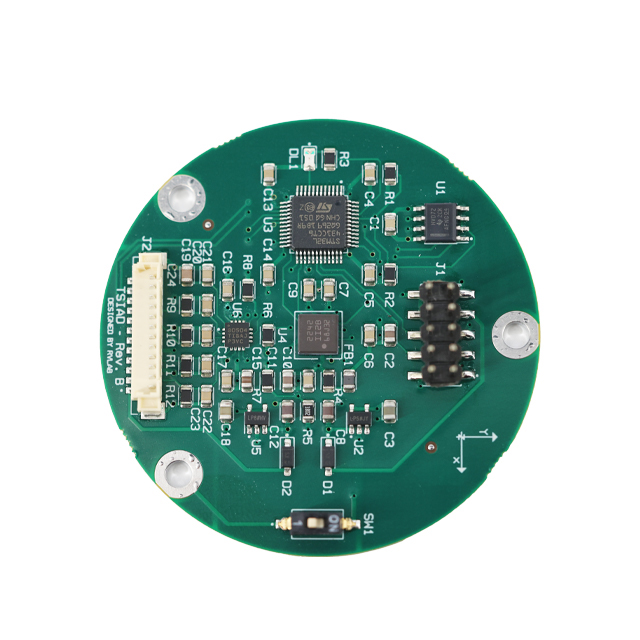
By means of SMT Assembly, the miniaturization trend has been taken one step further, and at the same time, the PCB designers have been able to fit as many circuits as possible in the smallest of spaces. Many of the modern electronic gadgets such as smartphones, wearables, and IoT devices owe it to this capability to have tons of features, which most of us could not even dream about 10 years back. Multi-function PCB integration also means fewer interconnections and therefore better signal integrity and performance.
SMT Assembly is also a big winner when it comes to the cost aspect. Since the components are smaller, and production is more automated, SMT manufacturing is less material- and labor-intensive. The possibility of high-volume manufacturing becomes a reality, and production lines can be scaled up at a moment's notice to accommodate demand changes.
King Field exemplifies this benefit by giving their customers the advantage of a one-stop shop for all their turnkey SMT Assembly requirements. This way, the company can support product realization through prototyping, testing, and mass production all done quickly and efficiently under one roof. Lead time is kept to a minimum while potential supply chain constraints are also eliminated. Clients benefit from an integrated solution and can thus get their innovative products to the market faster and more cheaply.
SMT Assembly stands out in terms of component reliability. The smaller the components, the less thermal mass there is, which essentially means better heat management. This is extremely important for devices used in sectors such as high-performance computing, automotive, and medical, where a glitch is simply unacceptable.
King Field's SMT Assembly lines continue to be at the cutting edge of technology by implementing stringent quality control measures such as real-time solder paste inspection, in-line X-ray inspection, and functional testing. With these checks in place, each assembly is made to survive the toughest conditions and perform at the highest levels, whether it is IPC Class 2 or Class 3 standard.
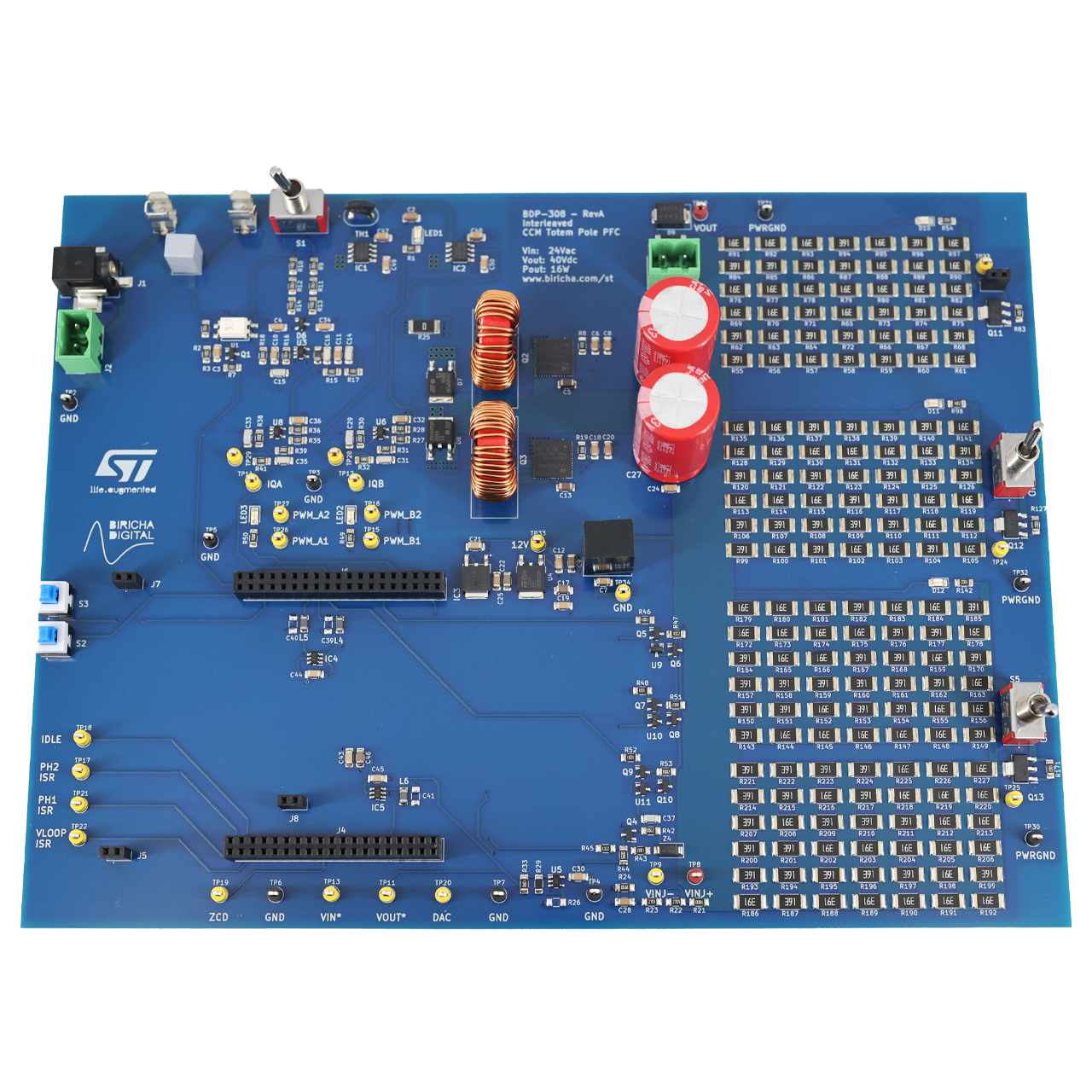
Apart from accuracy and productivity, another great thing that SMT Assembly has in store for us is its flexibility. Nowadays, electronic circuit designs often involve multi-layer PCBs with a mix of various component types, e.g., passive and active components. SMT is capable of managing component types ranging from tiny 01005 resistors to very advanced microcontrollers, hence designers have all the freedom they want to innovate since they are no longer limited by assembly constraints.
King Field supports this by delivering customer-focused SMT solutions that match the needs of the clients. It is their going-the-extra-mile attitude, for example, that ensures people get the kind of PCB assemblies of their choice that are just perfect, be it prototype iterations for R&D or large-scale production runs for consumer electronics.
Today, manufacturers in the electronics industry are facing growing pressure to make their products and production processes more environmentally friendly. The good news is that SMT Assembly technology has a few built-in features that help reduce the impact on the environment. The use of smaller components and efficient automated assembly processes makes it possible to save on energy and decrease waste of materials. Moreover, SMT lays the foundation for the production of lighter and more energy-efficient devices that, in turn, lead to a less polluting electronics industry.
SMT Assembly's future is bright. The adoption of 3D integration, flexible electronics, and the use of advanced robotics in PCB assembly will soon be redefining the limits of what is achievable. King Field is one of those companies that have already started rolling up their sleeves in preparation for next-gen SMT technologies in the areas of AI-powered inspection and predictive maintenance so that they can continue being market leaders.
So, what is it about SMT Assembly that has turned it into one of the main drivers of change in modern electronics manufacturing? Essentially, it is the perfect mix of precision, scalability, reliability, flexibility, and sustainability that give SMT the cutting edge over other technology. Therefore, an electronic device manufacturing company that aims at being innovative yet cost-effective should not look any further than experienced SMT Assembly service providers such as King Field for a fruitful partnership.
An electronics manufacturing company that changes to SMT Assembly can speed up innovation cycles, cut expenses, enhance product quality, and be quick to respond to the market demands. SMT Assembly nowadays is no longer just a method of making products, but rather a platform on which the future of electronics is being established.