 EN
EN
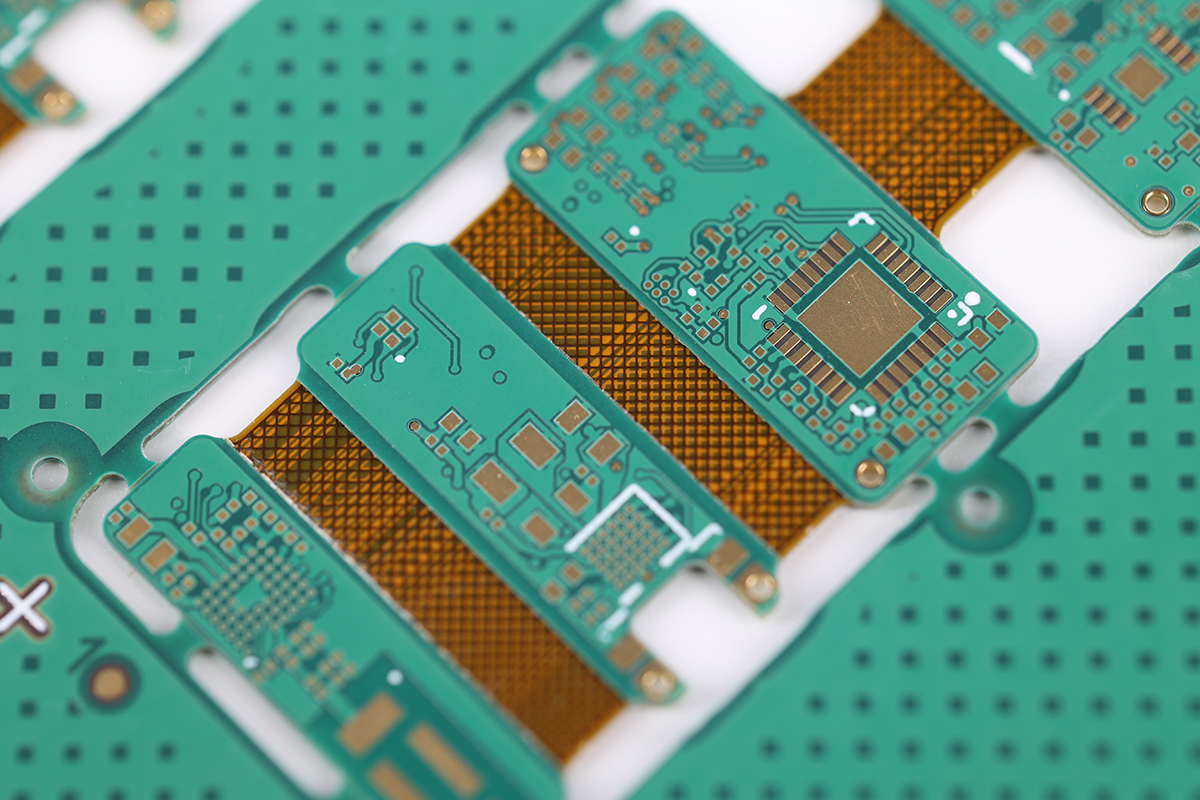
Understanding Turnkey PCB Manufacturing and Its Complete Production Scope
Turnkey PCB manufacturing is an integrated production service that manages the complete PCB manufacturing process, from engineering review and component sourcing to PCB fabrication, assembly, testing, and final delivery.
Instead of coordinating separate suppliers for PCB fabrication, component purchasing, assembly, and inspection, customers work with a single manufacturing partner responsible for the entire production workflow.
A typical turnkey PCB manufacturing process includes:
- Design review and Design for Manufacturability (DFM) analysis
- PCB fabrication
- Component sourcing and supply chain management
- SMT and through-hole assembly
- Quality inspection and functional testing
- Packaging and shipment
During the engineering review stage, manufacturers analyze PCB design files to identify potential production issues, such as component placement challenges, soldering risks, and manufacturability concerns. Early communication between engineers and customers helps optimize the design before mass production begins.
By combining multiple manufacturing stages under one supplier, turnkey PCB services simplify project management and provide better control over production schedules, quality requirements, and communication.
How Turnkey PCB Manufacturing Simplifies Supply Chain Management
One Manufacturing Partner for PCB Fabrication, Sourcing, and Assembly
Traditional PCB production often requires companies to manage multiple suppliers. One supplier may produce bare PCBs, another handles component purchasing, and another performs assembly and testing.
This multi-supplier approach can create challenges, including:
- More communication points
- Additional project coordination
- Different production schedules
- Increased risk of information delays
Turnkey PCB manufacturing integrates these processes into one coordinated workflow.
A turnkey PCB supplier manages communication between engineering, procurement, production, and quality teams. This allows design updates, component changes, and production adjustments to be handled more efficiently.
For electronics companies, especially those developing new products or managing complex supply chains, this integrated approach reduces administrative workload and improves production visibility.
Cost and Time Advantages of Turnkey PCB Manufacturing
Reducing Procurement Complexity and Improving Production Efficiency
One of the main advantages of turnkey PCB assembly is simplified procurement.
Instead of purchasing components independently and managing several suppliers, customers can rely on the manufacturer’s sourcing network and production experience.
A turnkey PCB partner can help with:
- Component availability checks
- Alternative component recommendations
- Inventory coordination
- Production scheduling
- Logistics management
By combining PCB fabrication, sourcing, and assembly, companies may reduce unnecessary transportation, communication effort, and management costs.
The actual cost benefit depends on factors such as:
- Production volume
- PCB complexity
- Component availability
- Testing requirements
- Manufacturing location
For prototype projects, small-batch production, and large-scale manufacturing, turnkey services provide a flexible way to improve efficiency while maintaining control over quality.
Quality Control and Traceability in Turnkey PCB Manufacturing
Maintaining Consistent Quality Throughout the PCB Production Process
Quality control is a critical part of turnkey PCB manufacturing.
A professional PCB assembly supplier typically applies inspection and testing procedures throughout production, including:
- Automated Optical Inspection (AOI)
- Solder paste inspection
- X-ray inspection when required
- In-circuit testing (ICT)
- Functional testing
These processes help identify assembly issues such as solder defects, component placement errors, and electrical problems before products reach customers.
Turnkey manufacturing also improves traceability because production information from PCB materials, components, assembly processes, and testing records can be managed within one system.
This complete production history helps manufacturers quickly identify potential issues and support continuous improvement.
Industry standards such as IPC-A-610 for electronic assembly quality and IPC-6012 for rigid PCB performance requirements are commonly referenced to support consistent manufacturing practices.
Why Companies Choose Turnkey PCB Assembly Services
Turnkey PCB manufacturing provides several advantages for companies looking for reliable electronics production support:
Simplified Project Management
Customers communicate with one manufacturing partner instead of managing multiple suppliers, making project coordination easier.
Better Supply Chain Control
Experienced manufacturers can help identify component risks and provide sourcing solutions during production planning.
Faster Product Development
Integrated engineering, sourcing, and assembly workflows help reduce delays between different production stages.
Improved Manufacturing Consistency
A unified quality system allows manufacturers to monitor production processes more effectively and maintain stable output quality.
For startups, engineering companies, and established electronics brands, turnkey PCB assembly offers a practical solution for moving products from design concepts to finished electronic assemblies.
FAQ
What is turnkey PCB manufacturing?
Turnkey PCB manufacturing is a complete PCB production service that includes engineering review, PCB fabrication, component sourcing, assembly, testing, and delivery through one manufacturing partner.
What are the benefits of turnkey PCB assembly?
Turnkey PCB assembly simplifies supplier management, improves production coordination, supports quality control, and can reduce manufacturing complexity.
How is turnkey PCB manufacturing different from traditional PCB production?
Traditional PCB production often requires multiple suppliers for fabrication, sourcing, and assembly. Turnkey manufacturing combines these services under one provider.
What quality inspections are used in turnkey PCB assembly?
Common inspection methods include AOI, solder inspection, X-ray inspection, ICT, and functional testing depending on product requirements.
Is turnkey PCB manufacturing suitable for prototypes and mass production?
Yes. Turnkey PCB services can support prototype development, small-batch production, and larger manufacturing programs depending on the supplier’s capabilities.
Table of Contents
- Understanding Turnkey PCB Manufacturing and Its Complete Production Scope
- How Turnkey PCB Manufacturing Simplifies Supply Chain Management
- One Manufacturing Partner for PCB Fabrication, Sourcing, and Assembly
- Cost and Time Advantages of Turnkey PCB Manufacturing
- Reducing Procurement Complexity and Improving Production Efficiency
- Quality Control and Traceability in Turnkey PCB Manufacturing
- Maintaining Consistent Quality Throughout the PCB Production Process
- Why Companies Choose Turnkey PCB Assembly Services
- FAQ
- What is turnkey PCB manufacturing?
- What are the benefits of turnkey PCB assembly?
- How is turnkey PCB manufacturing different from traditional PCB production?
- What quality inspections are used in turnkey PCB assembly?
- Is turnkey PCB manufacturing suitable for prototypes and mass production?