
 EN
EN
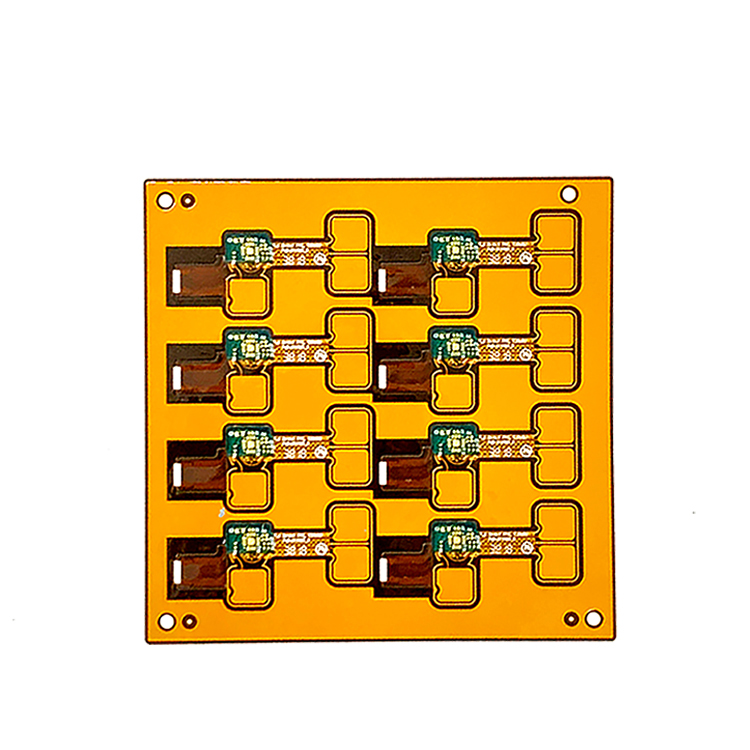
Flexible PCBs provide excellent advantages for compact and lightweight electronic products, but their thin structure also creates unique challenges during soldering. Unlike rigid FR-4 boards, flexible circuits use materials such as polyimide films and adhesive layers that respond differently to heat. Without proper thermal control, soldering processes may cause issues including delamination, warpage, solder joint defects, and reduced mechanical reliability.
For manufacturers involved in flex PCB assembly, controlling heat transfer, selecting suitable soldering methods, and applying effective inspection procedures are essential for achieving stable production quality.
Thermal Challenges During Flex PCB Soldering
Why Standard Reflow Processes Require Careful Optimization
Flex PCB materials have lower thermal mass compared with traditional rigid circuit boards, meaning they heat and cool differently during soldering. Rapid temperature changes can create uneven thermal expansion between copper layers, polyimide substrates, and adhesive materials.
Lead-free soldering processes require relatively high temperatures, which makes thermal profile control especially important. Excessive heat exposure or improper ramp rates may increase the risk of adhesive degradation, layer separation, or mechanical deformation.
A properly optimized reflow profile typically includes:
- Controlled heating rate
- Sufficient preheating to reduce thermal shock
- Appropriate soaking time for uniform temperature distribution
- Controlled cooling to minimize stress
Because every flex PCB design uses different materials and thickness combinations, thermal profiles should be validated according to the PCB supplier’s recommendations and the actual assembly structure.
Selecting Suitable Soldering Methods for Flexible Circuits
Different flex PCB designs may require different soldering approaches depending on component type, assembly density, and thermal sensitivity.
Laser Soldering
Laser soldering provides localized heat application and can be useful for temperature-sensitive flexible circuits. Since the heating area is highly concentrated, process parameters must be carefully controlled to prevent substrate damage.
Important considerations include:
- Accurate positioning of the laser beam
- Proper energy control
- Monitoring solder joint formation
- Avoiding excessive heating of nearby materials
Hot Bar Soldering
Hot bar soldering is commonly used for applications such as flexible cable connections and fine-pitch contacts. It applies heat and pressure simultaneously, allowing controlled bonding between conductive surfaces.
Successful hot bar soldering depends on:
- Accurate alignment
- Stable pressure control
- Proper temperature settings
- Suitable solder material selection
This method can reduce unnecessary heating of the entire PCB compared with full-board thermal processes.
Selective Soldering
Selective soldering is suitable for flex PCB assemblies containing specific through-hole components. The process applies solder only to targeted areas, helping reduce thermal exposure to sensitive flexible sections.
Careful flux application and process control are important to avoid residue problems and maintain long-term reliability.
Mechanical Support and Moisture Control During Assembly
Preventing Warpage Through Proper Fixturing
Flexible circuits are designed to bend, but uncontrolled movement during soldering can create alignment problems or stress solder joints.
Manufacturers commonly use dedicated fixtures to:
- Maintain PCB positioning
- Support flexible areas during heating
- Reduce mechanical deformation
- Improve assembly consistency
Fixture design should consider the material properties of the flex PCB and avoid excessive mechanical stress during thermal processing.
Moisture Management Before Soldering
Polyimide-based flexible circuits can absorb moisture from the environment. During high-temperature soldering, trapped moisture may expand rapidly and contribute to defects such as blistering or delamination.
To reduce moisture-related risks:
- Store flex PCBs in controlled environments
- Follow supplier-recommended baking procedures when required
- Minimize exposure time after moisture removal
- Handle boards carefully before assembly
Proper moisture management improves solder joint reliability and reduces the possibility of hidden assembly defects.
Common Soldering Defects in Flex PCB Assembly
Cold Joints, Cracks, and Voids
Flex PCB solder joints may experience reliability issues when thermal conditions are not properly controlled.
Common causes include:
- Insufficient solder wetting
- Incorrect temperature profiles
- Surface contamination
- Moisture-related defects
- Excessive mechanical stress
Inspection standards such as IPC-A-610 help manufacturers evaluate solder joint quality and ensure assemblies meet customer requirements.
Inspection Methods for Reliable Flex PCB Soldering
AOI and X-Ray Inspection
Automated Optical Inspection (AOI) is effective for detecting visible defects, including:
- Solder bridges
- Missing components
- Incorrect placement
- Surface solder abnormalities
For hidden solder connections under components such as BGAs or QFNs, X-ray inspection provides additional visibility by identifying internal issues such as voids or insufficient solder coverage.
Combining multiple inspection methods allows manufacturers to achieve more comprehensive quality control.
Electrical Testing for Connection Reliability
Electrical testing verifies that solder joints perform correctly at the circuit level.
Common methods include:
- Flying probe testing
- In-circuit testing (ICT)
- Functional testing
These methods help identify:
- Open circuits
- Short circuits
- Incorrect connections
- Assembly-related electrical failures
By integrating electrical testing with visual inspection, manufacturers can improve confidence in final flex PCB assembly reliability.
FAQ
Why does flex PCB soldering require thermal management?
Flexible circuits contain thin substrates and adhesive layers that can be sensitive to excessive heat. Proper thermal control helps prevent delamination, warpage, and solder reliability problems.
What soldering methods are suitable for flex PCBs?
Common methods include controlled reflow, laser soldering, hot bar soldering, and selective soldering. The best choice depends on the design structure and component requirements.
Why is moisture control important before soldering flex PCBs?
Moisture trapped inside flexible materials may expand during heating and contribute to defects such as blistering or layer separation.
How are flex PCB solder joints inspected?
Manufacturers typically use AOI, X-ray inspection, electrical testing, and functional testing to verify solder quality and assembly reliability.
How can manufacturers improve flex PCB soldering reliability?
Reliable flex PCB assembly requires optimized thermal profiles, suitable soldering processes, proper mechanical support, moisture control, and comprehensive inspection procedures.