 EN
EN
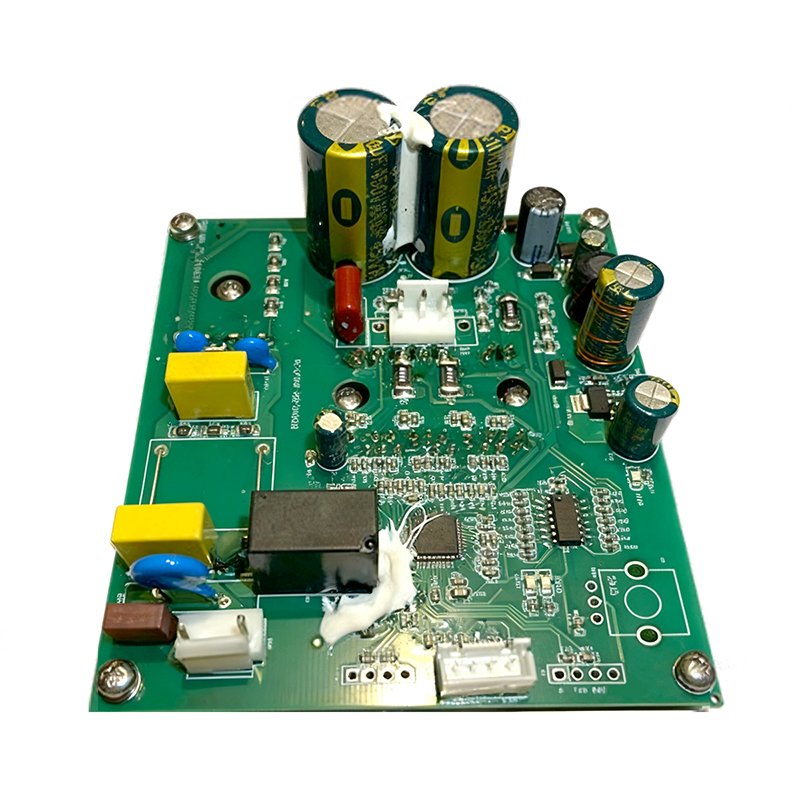
Today, in the electronics industry's rapidly changing landscape, PCB electronic assembly needs to be extremely precise, reliable, and efficient so that it can become a major factor contributing to a product's success. Be it consumer electronics, medical equipment, or industrial control systems, how well a PCB assembly is done will not only affect the product's performance and physical characteristics but also determine the level of customer satisfaction. However, what clearly indicates that a PCB electronic assembly is of top quality? We shall identify the major differentiating factors of superior manufacturers and also see how King Field is the one upholding excellence at all times.
What is PCB Electronic Assembly?
PCB electronic assembly involves placing and soldering electronic elements to a printed circuit board (PCB) in such a way that the end result is an electronic device that performs its functions. This whole manufacturing operation can be divided into various stages, such as putting the components in place, the actual soldering, evaluating, and finally testing.
Simply assembling the boards is only one aspect of cloning top quality production; it also means guaranteeing that each connection is accurately made, that the components are highly reliable, and the final product unsurprisingly meets very strict standards in terms of performance.
Component Placement with High Precision
Accurately placing components on the PCB remains one of the most vital aspects of the entire PCB electronic assembly process. Nowadays, electronic devices incorporate very small components as well as very densely packed circuits, especially in SMT (Surface Mount Technology) applications.
Top-class assembly must feature:
- Highly advanced pick-and-place machinery
- Stringent control of tolerance levels
- Correct alignment and spacing
Even minuscule misalignments can cause equipment failures or loss of service life. Like other top industry players, King Field utilizes sophisticated automated systems to keep up their regular precision level for every manufactured board.
Soldering of a Higher Standard
Solder is the medium through which electronic and mechanical connections are established between the components and PCB. Bad soldering may lead to weak joints, several types of cold solder connections, or bridging.
High-quality soldering should:
- Feature no less than smooth and shining solder joints
- Exhibit correct wetting and bonding
- Be free of any voids or cracks
Processes like reflow soldering and wave soldering have to be meticulously controlled in terms of temperature profile and duration. The best PCB electronic assembly companies rely on their carefully optimized procedures aimed at ensuring long product life and excellent conductivity.
Tight Quality Control and Inspection
Quality control has always been the most prominent characteristic of PCB electronic assembly. Reputable manufacturers have a number of inspection stages to be able to locate defects at the earliest possible.
Instruments used very often for checking production include:
- Automated Optical Inspection (AOI)
- X-ray for inspecting the quality of hidden joints
- In-circuit testing (ICT)
- Functional testing
With the help of these methods, companies such as King Field can reveal problems like misplaced components, solder flaws, and electrical defects long before the products are launched.
Experimental Components and Materials
It is a fact that even the most excellent assembly technique will not be able to mask the use of inferior quality materials. High-quality PCB electronic assembly involves:
- Sourcing of high-quality components
- Working with certified suppliers
- Ensuring ideal storage and handling methods including ESD protection and moisture control
Incorporating low-quality parts may cause failures shortly after the installation as well as expose the user to risks over time. Premium manufacturers have in place very strict supplier qualification systems with the objective of guaranteeing both the authenticity and performance of the components.
Manufacturing Technology of the Highest Level
Without top-notch technology, it is quite difficult to obtain consistent as well as scalable results. Modern PCB assembly plants feature:
- SMT lines that are fully automated
- Very fast placement machines
- Highly accurate reflow ovens
- Systems for process monitoring in real-time
Using robots minimizes human error and enhances the possibility of getting the same result time after time—which feature is very crucial when it comes to mass production. King Field relies on very advanced manufacturing mechanisms to sustain productivity without detracting from quality.
Design for Manufacturability (DFM)
The best PCB electronic assembly process is one which is continually carried out while production is underway—and even better—starts right from design optimization. Design for Manufacturability (DFM) aims at making sure that the PCB layout will be friendly to assembly processes.
Here are some of the aspects on which DFM focuses:
- Adequate pad design
- Proper spacing of components
- Effective thermal management
- Layer stacking
By initiating collaboration with the buyers during the design phase, the manufacturers won’t just be able to avert production hiccups but also slash the costs.
Environmental and Reliability Testing
In order to guarantee that the PCB will serve well for a long time, it is very important that they undergo quite stringent testing in all sorts of environments.
Some of the tests are as follows:
- Thermal cycling
- Vibration testing
- Humidity exposure
- Burn-in testing
In fact, these tests demonstrate that the PCB is able to operate even in very tough conditions. The industries that require the highest level of reliability, i.e., automotive and medical, are the ones that mainly depend on standards related to these tests.
Conformity to Industry Standards
Well-made PCB electronic assembly must conform to such international standards as the following:
- IPC-A-610 (Acceptability of Electronic Assemblies)
- ISO quality management systems
- RoHS compliance for environmental safety
Meeting these standards equates to consistency in all your products, keeping safety as the focus, and having the ability to be accepted in the global market.
Engineer’s Skills and Technical Assistance
Automation has proven to be a very useful feature; however, there is no denying the fact that human input counts just as much. Great engineers are not only capable of:
- Perfecting the process
- Identifying and solving issues
- Looping and further enhancements
King Field is an example of a firm that utilizes high-end technology combined with a pool of very experienced individuals to come up with bespoke solutions that match client needs perfectly.
Continuous Improvement and Innovation
Due to the fact that the electronics industry keeps on changing, suppliers of high-quality PCB electronic assembly have to be able to adapt to various new technologies and trends.
Some of the things that are incorporated are:
- Switching over to new materials and processes
- Enhancing efficiency and yield rates
- Implementing smart manufacturing (Industry 4.0)
Continuous innovation is what finally keeps manufacturers abreast of the competitors and capable of producing designs that are becoming more and more complex.
Summary
Top-quality PCB electronic assembly will stand out due to the combination of features such as accuracy, modern technology, uncompromising quality control, and skilled engineering. Every single step - from component placement through to final testing - should be done with precision and great care for consistency.
King Field and the like represent these standards very well. They combine state-of-the-art equipment, stringent inspection systems, and a total commitment to excellence. With the increasing levels of complexity electronic devices exhibit nowadays, the need for a trustworthy PCB assembly will be growing continuously.
Deciding on a PCB electronic assembly partner is far more than just a manufacturing decision—it’s a strategic move for product quality, brand reputation, and long-term success.
Table of Contents
- What is PCB Electronic Assembly?
- Component Placement with High Precision
- Soldering of a Higher Standard
- Tight Quality Control and Inspection
- Experimental Components and Materials
- Manufacturing Technology of the Highest Level
- Design for Manufacturability (DFM)
- Environmental and Reliability Testing
- Conformity to Industry Standards
- Engineer’s Skills and Technical Assistance
- Continuous Improvement and Innovation
- Summary