 EN
EN
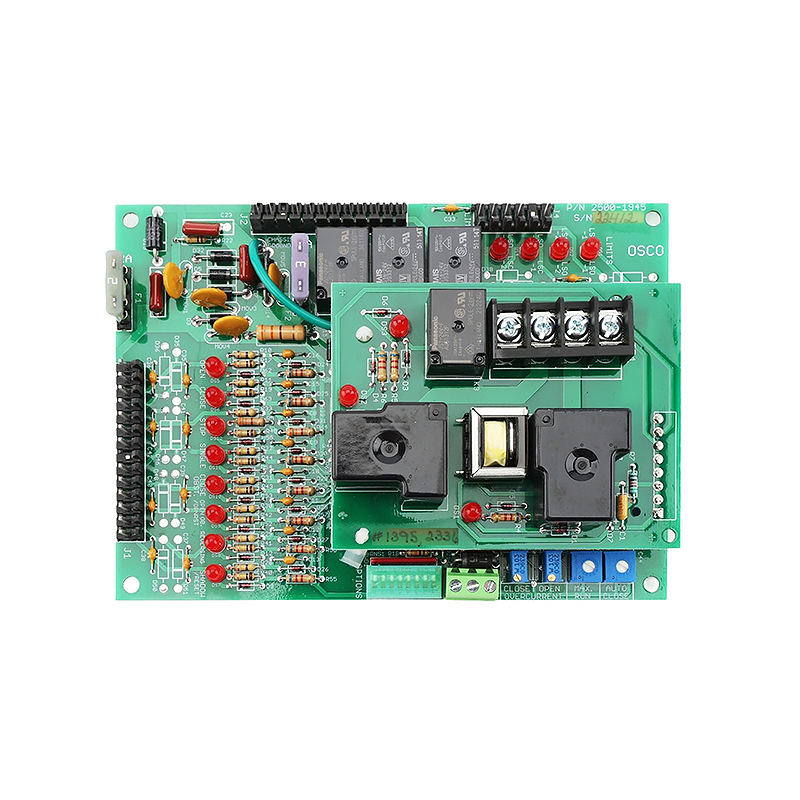
Medical electronics assembly is a centerpiece of modern healthcare development, ensuring not only the accuracy and reliability of patient devices but also their overall safety. Whether it is patient monitoring systems or diagnostic imaging equipment, every element must be up to the highest industry standards. So, how does medical electronics assembly manage to realize such precision and maintain compliance?
The Value of Compliance in Medical Electronics
When it comes to medical devices, there is absolutely no room for errors. Besides, even the smallest defect is capable of leading to extremely negative consequences since these devices are intended for life-supporting systems. As such, manufacturers must align their operations with internationally acclaimed standards such as ISO 13485, FDA regulations, and IPC guidelines.
Assemblies of medical electronics need to be capable of ensuring:
- Patient safety.
- Device reliability during continuous operation.
- Exact data transmission and processing.
- Protection from external factors like moisture and temperature variation.
The way manufacturers fulfill these requirements is by implementing a thorough strategy that combines product design, choice of material, and production processes.
Medical Electronics Assembly: The Power of Engineering Precision
Precision engineering is the essence of medical electronics assembly. The assembly of every circuit board, connector, and micro-component must be carried out with utmost precision.
Revolutionary Surface Mount Technology (SMT)
Due to its capacity to position components accurately and in the same manner repeatedly, SMT is the favored method for medical electronics assembly. Besides, human error is minimized as automated pick-and-place machines facilitate consistent placements.
Microelectronics Integration
Since compactness is often a design aim of modern medical devices, this entails:
- Very dense PCB layouts.
- Components with fine-pitch.
- Boards with multiple layers.
This degree of intricacy is only manageable by a few. It necessitates excellent manufacturing ability and strict adherence to process controls, which expert manufacturers like King Field can provide.
Robust Quality Control Systems
Without stringent quality control, medical electronics assembly would not even be feasible. Thorough examinations and tests are conducted at each production phase to ensure that the product matches the set standards.
Inspection During Process
As work progresses, there are several inspection points:
- Automated optical inspection (AOI).
- X-ray inspection to check the invisible solder joints.
- Functional testing at sub-assembly levels.
Such inspections facilitate early detection of defects and eliminate the risk of final products failing.
Testing of Final Products
Final assemblies are subjected to complete testing, which encompass:
- Electrical performance testing.
- Exposure to various environmental conditions.
- Baking for reliability.
King Field is dedicated to quality and thus, incorporates such processes within its existing system, making quality remain the highest standard of its products.
Manufacturing Environment of Cleanrooms
Assembly of medical electronics is carried out mainly in cleanrooms to prevent contamination. In fact, dust, static, and microscopic particles can become even more hazardous for sensitive components.
Cleanroom requirements involve:
- Controlled air quality.
- Temperature and humidity regulation.
- Protection from electrostatic discharges (ESD).
These conditions are mandatory while assembling precision medical devices such as implantable electronics and diagnostic tools.
Traceability and Documentation
Traceability is one of the major requisites when it comes to medical electronics assembly. It is pivotal that every detail concerning components and processes is present to allow for accountability and compliance.
Component Traceability
Manufacturers track:
- Supplier information
- Batch numbers
- Material certifications
This feature leads to swift action for problem solving at the source.
Process Documentation
Comprehensive documentation is kept for:
- Assembly steps.
- Testing outcomes.
- Quality assessments.
Industry leaders like King Field have established state-of-the-art traceability systems, which not only satisfy regulatory demands but also clients' needs for transparency.
Regulatory Standards and Certifications
In order to comply with stringent industry standards, one has to abide by several regulatory frameworks.
ISO 13485 Certification
This standard pertains to quality management systems for medical device manufacturing. It helps to track consistent process flow and quality enhancement on an ongoing basis.
FDA Compliance
For any product released into the US market, it must meet FDA regulations. These extend to manufacturing process validation and record keeping.
IPC Standards
Among other things, IPC standards set requirements for soldering and quality of workmanship.
King Field ensures that its production processes are well aligned with these international norms for the benefit of its global clientele with ease of compliance.
Design for Manufacturability (DFM)
Besides other aspects, medical electronics assembly emphasizes designing products suitable for manufacturing without quality loss.
Here are some of DFM principles:
- PCB layout optimization for assembly
- Component reduction
- Improved thermal management
As a result of working hand-in-hand with clients during design phase, King Field succeeds in reducing production risks while improving efficiency.
Reliability and Long-Term Performance
Medical devices need to operate without faults over the full course of their lifespan. To cater to this necessity, equipment manufacturers pay particular attention to:
- First-rate raw materials
- High level soldering processes
- Shielding from environmental stress
Reliability testing confirms that medical devices are capable of operating even under tough conditions, including those encountered in hospitals and at patients’ homes.
The Role of Experienced Manufacturers
Partnering with the right manufacturing company is vital for medical electronics assembly success. Veteran firms not only make available:
- Cutting-edge production tools
- Comprehensive knowledge of regulatory frameworks
- Excellent quality management systems
King Field especially combines in-depth technical knowledge with a strict commitment to industry standards to produce top-quality assemblies for medical use.
Conclusion
The medical electronics assembly process complies with the highest industry standards by implementing a combination of precision engineering, stringent quality control, manufacture in cleanrooms, and adherence to regulatory frameworks. From drafting through to final testing, every procedure is performed with safety, reliability, and high performance in mind.
With the perpetual growth in demand for medical equipment capable of supporting various clinical applications, the assistance of manufacturers such as King Field is indispensable to the realization of innovation while the quality side remains uncompromising. Through conformity to global standards and use of the latest technologies, medical electronics assembly showcases its potentials to be the leader in the provision of excellence in healthcare today.
Table of Contents
- The Value of Compliance in Medical Electronics
- Medical Electronics Assembly: The Power of Engineering Precision
- Robust Quality Control Systems
- Manufacturing Environment of Cleanrooms
- Traceability and Documentation
- Regulatory Standards and Certifications
- Design for Manufacturability (DFM)
- Reliability and Long-Term Performance
- The Role of Experienced Manufacturers
- Conclusion