 EN
EN
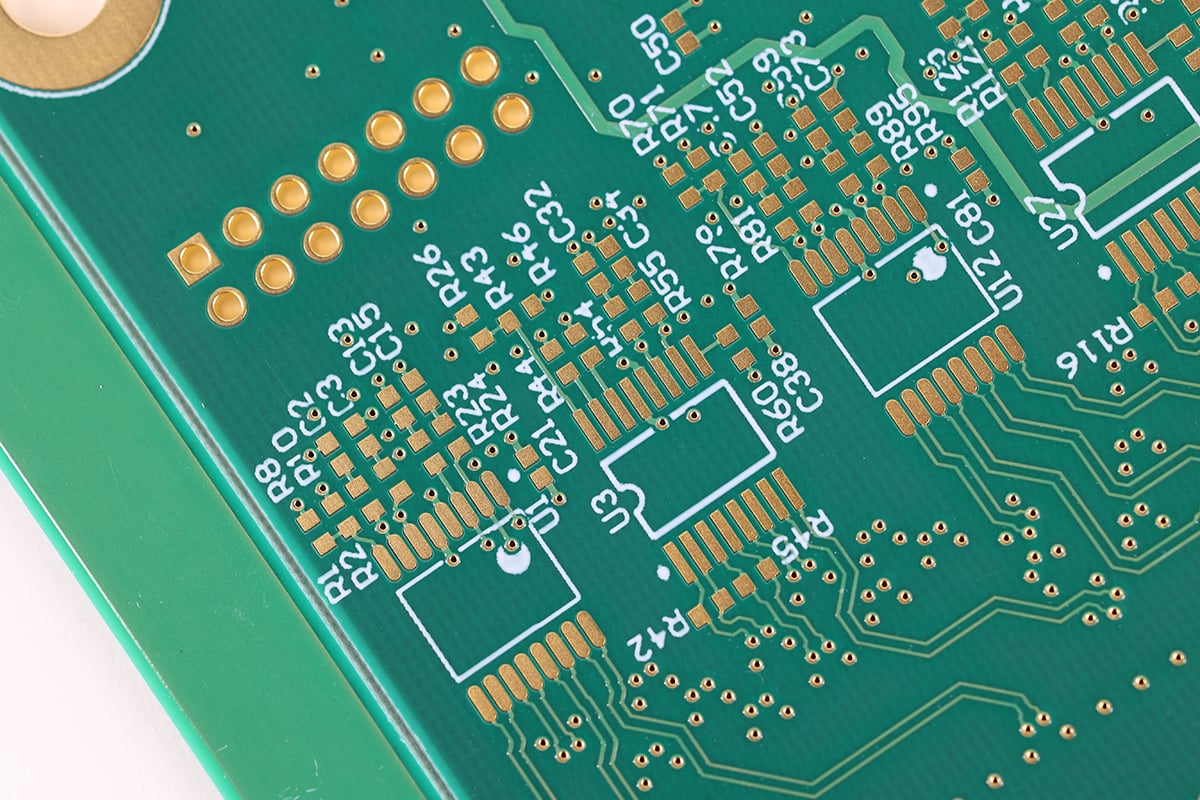
Surface mount technology (SMT) is often highlighted as the best PCB assembly method in the fast-changing electronics industry due to its compatibility with increasingly smaller designs and efficiency. Yet through hole PCB assembly has maintained its major role, especially in the industrial sector, where strength, reliability and long overall value for performance have always been of utmost importance. The allure of the latest technologies notwithstanding, through hole methods are by no means dispensable to the engineer and manufacturer majority.
How Does Through Hole PCB Assembly Work?
Through hole PCB assembly means placing electronic components with leads through the holes drilled in a printed circuit board (PCB), then soldering them to the pads on the other side. This kind of mechanical bonding is very tightly formed and, in fact, it is one order of magnitude stronger than surface mounted.
On the other hand, SMT simply places components on the board surface, whereas through hole assembly ensures a physical anchorage of components, with the result that they withstand environmental stresses very well.
Physical Security and Strength
The number one point explaining the long life and relevance of through hole PCB assembly is that it excels in mechanical strength. The electronics used in various industries are often required to be valid under harsh conditions, such as vibrations, physical impacts or temperature changes.
Components placed in through hole manner hardly ever come off or break due to external impacts. Hence, this is an excellent choice for:
- Heavy machinery control systems
- Car electronics
- Space flight devices
- Power supply units
In fact, at these places, trustworthiness is no longer a matter of choice but a must.
Great Performance When Pushed to Extremes
Besides, industrial conditions may be quite rough for a device such as exposure to dust, moisture, heat as well as electrical noise. Through hole assembly helps reliability in those situations since the solder joints are stronger and components integrated deeper.
Companies such as King Field appreciate this and utilize through hole PCB assembly skillfully in their endeavor to build industrial electronics that can be relied on for quite a number of years without their performance going down.
The Best Accommodations for Large Parts
It so happens that industrial apparatus utilize large or high-power components such as transformers, capacitors and connectors. Not only do these components get hot but they closely go through regular physical stresses.
By providing enough structural support to hold these bigger elements, through hole PCB assembly is a bigger part of the solution than surface mount technology by quite some margin when it comes to holding force needed for these kinds of components.
Manual Work and Repair, Made Easier
The other merit of through hole assembly is that it plays very well with manual soldering and repair activities. Although factory assembly has a large share, field maintenance is common in industrial settings too, and the ability to replace or fix components with minimal fuss is a major plus.
Faulty parts will be spotted and swapped out fast by the technician even though it is quite unlikely for them to be equipped with very advanced tools. Apart from that, the entire worry as to how much it will cost and how long it will take to have the machine back n operation is minimized.
Established Method with Stable Characteristics Over the Years
Of course, the development of new things is what pushes the electronics industry ahead, however, relying on tried and tested happens to be of great value too.
For a lot of years, through hole PCB assembly has provided help reliably and is a familiar element on production lines.
In fact, industrial customers have a tendency to opt for stability over novelty. They are looking for thoroughly tested and verified solutions. Organizations such as King Field merge this time-honored approach with contemporary quality control systems to offer consistent and trustworthy performances.
Hybrid Assembly: Combining Advantages of Two Technologies
Today, many industrial products are the result of manufacturers taking a hybrid approach—that is, both SMT and through hole PCB assembly are used. If the focus here could be just on SMT compactness, then through hole is the one to hold on and provide strength and reliability.
For instance:
- SMT being used to accommodate very small, high density components
- Through hole ones reserved for connectors, power components and mechanical parts
The above strategy makes sure that the products perform in the best possible manner regardless of the range of applications.
Adhering to Industrial Standards
It goes without saying that industrial electronics have to match very strict regulatory safety and performance requirements. Besides the robust nature of through hole PCB assembly, it probably single-handedly enables compliance with certifications such as IPC standards or military specifications that are usually induced through tests very hard to pass.
A Penny Saved is a Penny Earned
Besides that, through hole assembly which may entail spending a greater amount of time and money during the first phase /initial set-up phase, in fact, ends up as being the cheapest choice if the lifespan/cost of repair ratio is considered (a machine or device that one can use for 50 years will most likely be cheaper than one that lasts for 5 years no matter how cheap the second one was initially in terms of price).
Industrial products are aimed at running non-stop for a lifetime of years, so the CAD systems are large investments. The inevitable long-term reliability ensures a worthy investment, thus, going for large design software programs with major upgrades in the near future is not that expensive.
Final Thoughts
Even though SMT is certainly the frontrunner among PCB assembly technologies, through hole PCB assembly remains a major element in industrial electronics manufacturing. It is the feature where through hole drills win hands down - superior mechanical strength, offering high performance even in harsh/common environment conditions and the capability to support large components physically have become the reasons why that technology is not only appreciated by users but also incorporated in their designs.
King Field as well recognizes the benefits of the technology and uses the state-of-the-art production lines and methods including through hole PCB assembly to meet the requirements of industrial customers who put a premium on durability and a long service life.
Table of Contents
- How Does Through Hole PCB Assembly Work?
- Physical Security and Strength
- Great Performance When Pushed to Extremes
- The Best Accommodations for Large Parts
- Manual Work and Repair, Made Easier
- Established Method with Stable Characteristics Over the Years
- Hybrid Assembly: Combining Advantages of Two Technologies
- Adhering to Industrial Standards
- A Penny Saved is a Penny Earned
- Final Thoughts